
 EN
EN
 AR
AR
 BG
BG
 HR
HR
 CS
CS
 DA
DA
 NL
NL
 FI
FI
 FR
FR
 DE
DE
 EL
EL
 HI
HI
 IT
IT
 JA
JA
 KO
KO
 NO
NO
 PL
PL
 PT
PT
 RO
RO
 RU
RU
 ES
ES
 SV
SV
 CA
CA
 TL
TL
 IW
IW
 ID
ID
 LT
LT
 SR
SR
 SK
SK
 SL
SL
 UK
UK
 VI
VI
 HU
HU
 TR
TR
 AF
AF
 MS
MS
 GA
GA
 LA
LA
 MN
MN

Do chair foot pads prevent floor squeaks caused by rocking office chairs?
Office chair squeaks represent one of the most persistent annoyances in modern work environments, and many professionals wonder whether chair foot pads can effectively eliminate the irritating sounds produced when chairs rock or shift during daily use. The rhythmic creaking that emanates from the contact points between chair legs and flooring surfaces often signals friction, instability, or material degradation at critical junctures where furniture meets floor. Chair foot pads have emerged as a practical intervention designed to address these acoustic disturbances by creating a buffer layer that modifies contact dynamics, absorbs vibrational energy, and distributes weight more evenly across the interface between furniture and flooring substrates.
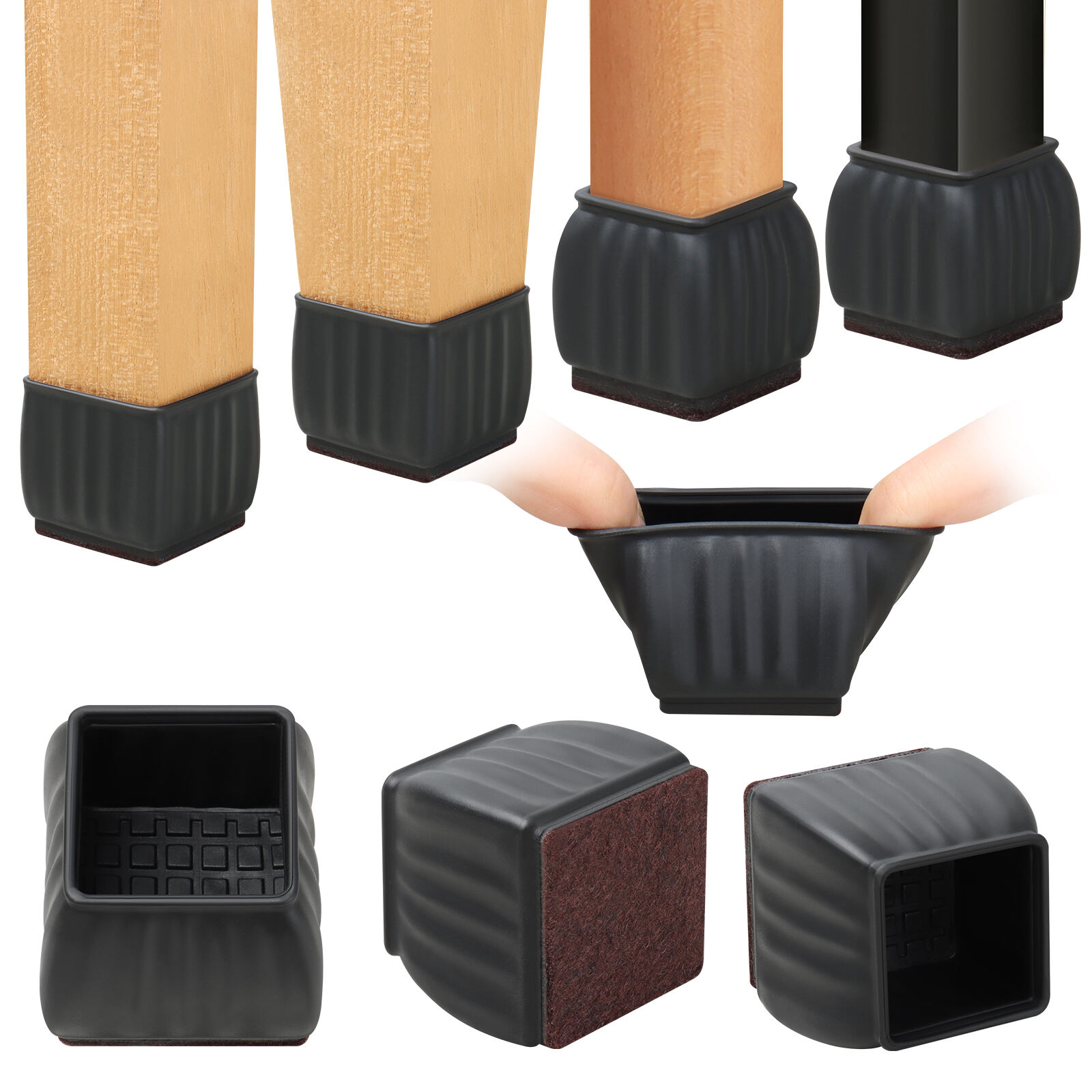
Understanding whether chair foot pads genuinely prevent squeaks requires examining the actual mechanisms that generate these sounds when office chairs rock, the material properties that enable protective pads to interrupt friction-based noise generation, and the real-world conditions under which these interventions succeed or fail. The answer depends heavily on identifying the true source of the squeak, since acoustic disturbances can originate from multiple locations within the chair assembly or at the floor interface, and only certain squeak types respond effectively to the application of foot protection solutions. This comprehensive examination explores the specific conditions under which chair foot pads successfully eliminate floor-related squeaks, the material characteristics that determine effectiveness, and the practical considerations professionals should evaluate when seeking quiet, stable seating solutions.
Understanding the Mechanics of Floor Squeaks from Rocking Office Chairs
Primary Sources of Squeak Generation at Floor Contact Points
Floor squeaks associated with rocking office chairs typically originate from friction phenomena occurring at the precise interface where chair leg components contact flooring surfaces during weight shifts and movement patterns. When an office chair rocks slightly as users adjust posture or reach for objects, the chair legs experience dynamic loading changes that cause micro-movements against the floor, generating acoustic vibrations through stick-slip friction mechanisms. These stick-slip events occur when static friction holds surfaces momentarily locked together before suddenly releasing as applied forces overcome resistance thresholds, producing the characteristic squeaking or chirping sounds that disrupt concentration in work environments. The severity and frequency of these squeaks depend on multiple factors including surface roughness characteristics, moisture content at the interface, floor material composition, and the force distribution patterns created by chair design geometry.
The rocking motion inherent to ergonomic office chair usage amplifies squeak potential because it creates repetitive cycles of loading and unloading across chair leg contact points, establishing conditions favorable for consistent friction-based noise generation. Different flooring materials exhibit varying squeak propensities, with hardwood floors particularly susceptible due to their rigid nature and tendency to transmit vibrations efficiently throughout their structure. Tile and laminate surfaces can generate similar issues when chair leg materials create high-friction pairings with these substrates, while carpeted floors generally produce fewer audible squeaks due to their sound-dampening properties and compliant surface characteristics that reduce stick-slip friction occurrences.
Distinguishing Floor Interface Squeaks from Internal Chair Mechanism Noises
Accurate squeak diagnosis requires differentiating between sounds originating at floor contact points versus noises generated within the chair's internal mechanisms, such as gas cylinder assemblies, tilt mechanisms, swivel bearings, or seat-to-base connection points. Many professionals incorrectly attribute all chair-related squeaks to floor interactions when the actual noise source resides within the chair's mechanical components, leading to misguided attempts at remediation through floor protection interventions that cannot address internal mechanical issues. Chair foot pads specifically target floor interface problems and prove ineffective against squeaks emanating from worn internal bearings, loose fasteners, or degraded lubrication within chair adjustment mechanisms.
Testing methodologies can help isolate squeak origins by lifting the chair slightly off the floor while applying rocking motions to determine whether sounds persist in the absence of floor contact. If squeaking continues when the chair is elevated, the noise source clearly originates within the chair assembly rather than at floor contact points, rendering chair foot pads inappropriate as remediation solutions. Conversely, squeaks that disappear entirely when floor contact is eliminated but resume immediately upon returning the chair to the floor confirm floor interface issues that protective pads may effectively address. This diagnostic step proves essential before investing in protective solutions, ensuring interventions target actual noise sources rather than pursuing ineffective remedies based on incorrect assumptions about squeak origins.
How Chair Foot Pads Interrupt Friction-Based Noise Generation Mechanisms
Material Dampening Properties and Vibration Absorption Characteristics
Chair foot pads prevent floor squeaks through multiple complementary mechanisms, with vibration dampening representing one of the most significant noise reduction pathways these protective devices employ. High-quality chair foot pads constructed from materials like silicone, felt, or rubber possess inherent viscoelastic properties that absorb mechanical energy rather than transmitting it efficiently as acoustic vibrations through rigid material chains. When a chair rocks and generates potential stick-slip friction events, the compliant materials in protective pads deform slightly to accommodate micro-movements without allowing the sudden release events that characterize squeak-generating friction patterns. This energy absorption transforms mechanical vibration energy into minor heat dissipation within the pad material structure rather than allowing it to propagate as audible sound waves through the floor substrate and surrounding air.
The damping coefficient of chair foot pads directly correlates with their effectiveness at preventing squeaks, with materials exhibiting higher internal friction and longer relaxation times providing superior acoustic noise suppression. Silicone pads demonstrate particularly effective dampening characteristics due to their molecular structure, which allows significant deformation under load while maintaining structural integrity and returning to original shapes after stress removal. Felt-based chair foot pads offer different but complementary dampening through their fibrous construction, which creates numerous internal interfaces that scatter and absorb vibrational energy throughout the material matrix rather than transmitting it coherently as organized sound waves.
Surface Friction Modification and Stick-Slip Prevention
Beyond vibration absorption, chair foot pads fundamentally alter the friction characteristics at floor contact interfaces by introducing materials with controlled coefficient of friction profiles that minimize stick-slip behavior patterns responsible for squeak generation. The friction coefficient pairing between original chair leg materials and flooring surfaces often falls within ranges that promote stick-slip phenomena, particularly when hard plastics or metals contact smooth hardwood or tile floors. By introducing an intermediary material layer with optimized friction characteristics, protective pads can shift the contact relationship into friction regimes that favor smooth sliding rather than jerky stick-slip transitions that produce acoustic disturbances.
Different chair foot pads materials accomplish friction modification through distinct mechanisms tailored to specific floor types and usage conditions. Felt pads provide relatively high static friction to prevent unwanted chair migration while offering slightly lower kinetic friction that reduces stick-slip tendency during intentional movements, creating favorable friction ratios that discourage squeak generation. Silicone materials offer exceptionally consistent friction coefficients across a wide range of surface conditions and loading scenarios, eliminating the friction coefficient disparities between static and dynamic contact states that enable stick-slip events. Rubber-based chair foot pads typically provide high friction in both static and kinetic states, which can prevent squeaks on some floor types while potentially maintaining squeak risks on others depending on specific material pairings and surface conditions.
Contact Pressure Distribution and Load Spreading Effects
Chair foot pads significantly reduce squeak potential by distributing contact forces over larger surface areas compared to unprotected chair leg ends, reducing peak pressure concentrations that can penetrate surface irregularities and establish the intimate contact conditions necessary for efficient acoustic transmission. Standard chair leg designs often terminate in relatively small contact areas that create high unit pressures capable of deforming floor surface features and establishing rigid mechanical coupling between chair and floor structures. These high-pressure contacts enhance vibration transmission efficiency and increase the likelihood that micro-movements will generate audible friction sounds rather than being absorbed through compliant deformation.
Protective pads with larger footprint areas reduce contact pressures proportionally, allowing surface irregularities and contaminants to remain partially isolated from the primary load path rather than being forced into intimate contact that promotes efficient energy transmission. This pressure reduction effect proves particularly valuable on flooring materials with surface texture variations, minor imperfections, or accumulated dust and debris that can act as third-body abrasives contributing to friction noise generation. Chair foot pads with appropriate surface area coverage transform point contacts into distributed loading scenarios that reduce the sensitivity of the chair-floor system to small perturbations and contamination factors that might otherwise trigger squeaking during rocking movements.
Material Selection Criteria for Effective Squeak Prevention Performance
Silicone Pad Properties and Acoustic Performance Characteristics
Silicone chair foot pads represent premium solutions for squeak prevention due to their exceptional combination of material properties that address multiple noise generation mechanisms simultaneously. The molecular structure of silicone polymers provides outstanding vibration dampening across a broad frequency spectrum relevant to furniture-floor interaction sounds, effectively absorbing energy from both low-frequency impacts and higher-frequency friction vibrations. Silicone maintains consistent performance characteristics across wide temperature ranges and demonstrates remarkable resistance to degradation from environmental exposure, ensuring sustained squeak prevention capabilities throughout extended service periods without material hardening or property deterioration that might compromise acoustic performance over time.
The non-marking nature of quality silicone chair foot pads prevents the floor discoloration issues that plague some rubber alternatives, making them particularly suitable for premium hardwood flooring installations where aesthetic preservation holds equal importance to acoustic performance. Silicone's chemical inertness ensures compatibility with various floor finishes and protective coatings without risk of adverse reactions that might damage flooring surfaces or create sticky residues that actually increase friction and potentially worsen squeak problems. The self-adhesive backing systems commonly integrated into silicone chair foot pads provide secure attachment that prevents pad migration or detachment during chair use, maintaining consistent protective coverage at all contact points where squeak prevention is required.
Felt Material Applications and Specialized Performance Attributes
Felt chair foot pads deliver squeak prevention through fundamentally different mechanisms compared to elastomeric alternatives, leveraging their fibrous construction to create favorable friction characteristics and moderate vibration absorption capabilities. The interlocking fiber network within felt materials establishes a compliant interface that accommodates minor surface irregularities while providing controlled sliding characteristics that reduce stick-slip friction tendencies on many floor types. Felt pads excel particularly on hardwood floors where their relatively soft composition prevents scratching while their natural fiber properties create friction coefficients that discourage acoustic noise generation during normal chair movements and rocking behaviors.
High-density felt formulations offer superior longevity and sustained performance compared to loosely constructed alternatives, maintaining dimensional stability and friction characteristics throughout extended service periods despite repeated compression cycling and abrasion exposure. The thickness of felt chair foot pads significantly influences their effectiveness, with thicker variants providing enhanced vibration isolation and more substantial buffering against impact forces that might otherwise transmit through the floor structure as audible disturbances. Adhesive-backed felt pads simplify installation and ensure consistent positioning, though their effectiveness depends heavily on proper surface preparation and adhesive quality to prevent premature detachment that would eliminate protective benefits and potentially reintroduce squeak problems.
Rubber-Based Solutions and Specific Application Considerations
Rubber chair foot pads occupy a middle ground between silicone and felt options, offering robust friction modification and moderate vibration dampening at generally lower cost points than premium silicone alternatives. Natural and synthetic rubber formulations provide excellent grip characteristics that prevent unwanted chair migration while their inherent elasticity allows some accommodation of surface irregularities that might otherwise contribute to friction noise generation. The durometer rating of rubber materials critically affects squeak prevention performance, with softer formulations generally providing superior vibration absorption but potentially exhibiting faster wear rates under heavy use conditions compared to harder rubber variants that sacrifice some acoustic performance for enhanced durability.
Material purity and formulation quality substantially impact the long-term effectiveness of rubber chair foot pads, as lower-grade compounds may harden, crack, or leave residue marks on flooring surfaces over time. Premium rubber formulations incorporate plasticizers and stabilizers that maintain flexibility and prevent degradation, ensuring sustained squeak prevention capabilities throughout the product service life. The contact surface characteristics of rubber pads influence their friction properties significantly, with textured or patterned surfaces potentially offering different acoustic performance profiles compared to smooth rubber contacts depending on specific floor material pairings and environmental conditions present in particular installation contexts.
Installation Best Practices and Performance Optimization Strategies
Proper Sizing and Contact Coverage Requirements
Achieving effective squeak prevention through chair foot pads requires careful attention to sizing considerations that ensure adequate contact coverage without creating installation complications or compromising chair stability. The protective pads must match or slightly exceed the original chair leg contact area to distribute forces effectively while avoiding excessive overhang that might create tripping hazards or compromise the visual appearance of the furniture installation. Measurement of existing chair leg dimensions provides essential baseline data for selecting appropriately sized chair foot pads, with particular attention to both the shape and dimensions of leg terminations that may vary significantly across different chair designs and manufacturers.
Square chair foot pads offer advantages for chairs with rectangular or square cross-section legs, providing maximum contact area and simplified alignment during installation compared to circular alternatives that might not utilize available surface area efficiently. Adjustable or multi-size pad systems accommodate variation in leg dimensions across different chairs within office environments, simplifying procurement and inventory management while ensuring appropriate fit across diverse furniture populations. The thickness dimension of protective pads influences not only acoustic performance but also effective chair height, requiring consideration of ergonomic implications when selecting products that might alter seated posture or desk clearance relationships in ways that affect user comfort and workplace efficiency.
Surface Preparation and Adhesive Application Techniques
Installation success and long-term performance of chair foot pads depend critically on proper surface preparation procedures that ensure secure adhesive bonding and optimal material contact with both chair legs and flooring surfaces. Thorough cleaning of chair leg ends removes accumulated dirt, oils, and residues that interfere with adhesive bonding and may compromise the friction modification benefits that protective pads provide. Degreasing agents appropriate for the specific chair leg material composition ensure removal of contaminants without damaging substrate surfaces or leaving residues that might undermine subsequent adhesive performance, with isopropyl alcohol representing a generally safe and effective cleaning solution for most furniture materials.
Application of chair foot pads requires firm, sustained pressure to activate pressure-sensitive adhesives and establish complete contact across bonding interfaces, maximizing adhesive coverage and eliminating air pockets that might compromise attachment security. Allowing appropriate cure time before returning chairs to service enables adhesive systems to develop full bond strength, preventing premature detachment that would eliminate protective benefits and potentially create safety hazards from loose pad components. Some high-performance chair foot pads benefit from supplementary mechanical attachment methods such as small fasteners or integrated grip features that augment adhesive bonding, particularly for heavy chairs or high-use applications where adhesive-only attachment might experience accelerated failure from repeated stress cycling and environmental exposure.
Multi-Point Contact Assessment and Comprehensive Protection Strategy
Effective squeak prevention often requires comprehensive assessment of all floor contact points rather than selective protection of only primary chair leg locations. Office chairs with stabilizing feet, caster wheels, or auxiliary support structures create multiple potential squeak generation sites that might require coordinated protective interventions to achieve complete acoustic noise elimination. Identifying all contact points through systematic chair examination ensures that protection strategies address every location where friction-based squeaks might originate, preventing situations where residual squeaks from unprotected contact points persist despite successful remediation of primary leg interface issues.
The interaction between chair foot pads and existing caster systems requires particular attention, as some chair designs combine stationary legs with rolling elements that create complex contact dynamics during rocking movements. Protective strategies for these hybrid configurations may require specialized pad designs that accommodate both stationary contact requirements and the clearance needs of adjacent rolling components, ensuring that squeak prevention solutions do not interfere with intended chair mobility or adjustment functions. Comprehensive documentation of protected contact points and pad installation dates facilitates systematic maintenance programs that replace worn protective elements before performance degradation allows squeak recurrence, maintaining consistent acoustic comfort throughout furniture service life.
Limitations and Scenarios Where Chair Foot Pads May Not Prevent Squeaks
Internal Mechanism Noise Sources Beyond Floor Interface Control
Chair foot pads cannot address squeaks originating from internal chair mechanisms, joint connections, or structural components that generate noise independently of floor contact dynamics. Gas cylinder seals, tilt mechanism pivots, seat attachment points, and swivel bearing assemblies represent common internal squeak sources that require entirely different remediation approaches involving lubrication, component replacement, or structural repair rather than floor interface modifications. Professionals experiencing persistent squeaking after installing high-quality chair foot pads should systematically investigate internal chair components to identify mechanical noise sources that protective floor pads cannot influence, avoiding frustration from continued ineffective interventions targeting floor contacts when actual problems reside within chair assemblies.
Loose fasteners throughout chair structures create potential squeak sources as metal components shift slightly against each other during rocking movements, generating friction sounds that may be mistakenly attributed to floor contacts due to their timing correlation with chair movement patterns. Systematic tightening of all accessible fasteners represents an essential diagnostic and remediation step that should accompany chair foot pads installation, ensuring that multiple potential squeak sources receive appropriate attention rather than assuming floor interface issues constitute the sole acoustic disturbance origin. The complementary nature of these interventions maximizes overall squeak elimination success by addressing both floor contact dynamics and internal mechanical factors that might contribute individually or collectively to acoustic annoyances in office environments.
Subfloor Structural Issues and Building System Squeaks
Some floor squeaking attributed to rocking chairs actually originates from subfloor structural movement, loose floorboard connections, or building system interactions rather than direct furniture-floor interface friction phenomena. When chair rocking transfers forces into floor structures, these dynamic loads can trigger squeaks from underlying structural components or connections that shift slightly under the induced vibration patterns. Chair foot pads prove ineffective against these building-system-level squeaks because the noise generation occurs within the floor assembly rather than at the visible surface contact interface where protective pads provide their benefits, requiring fundamentally different remediation approaches involving structural assessment and repair of building components.
Distinguishing furniture-level squeaks from building structure issues requires careful observation of squeak persistence across different chair locations and floor areas, with structure-related problems typically demonstrating location-specific patterns that remain consistent regardless of which furniture occupies particular floor positions. Testing chairs in different areas can reveal whether squeaking follows the furniture or remains associated with specific floor locations, providing valuable diagnostic information about actual noise source identity. Professional building assessments may prove necessary for addressing structural floor squeaks that chair foot pads cannot influence, ensuring appropriate resource allocation toward effective solutions rather than pursuing furniture-level interventions against problems requiring building-level remediation expertise.
Extreme Loading Conditions and Material Performance Limits
Chair foot pads exhibit performance limitations under extreme loading conditions, high-frequency movement patterns, or severe environmental factors that exceed material capabilities and compromise noise prevention effectiveness. Very heavy chairs or users may generate contact pressures that overwhelm the energy absorption capacity of protective pad materials, allowing some vibration transmission despite the presence of dampening layers between chair legs and floor surfaces. Similarly, extremely aggressive rocking behaviors or high-frequency oscillations may exceed the mechanical response time of viscoelastic pad materials, reducing their effectiveness at attenuating rapid vibration events compared to slower movement patterns that allow materials sufficient time to deform and absorb energy before acoustic transmission occurs.
Environmental degradation from moisture exposure, temperature extremes, chemical contamination, or ultraviolet radiation can compromise the material properties that enable chair foot pads to prevent squeaks effectively. Periodic inspection and replacement of protective pads ensures sustained performance by addressing material aging before significant property degradation allows squeak recurrence, maintaining consistent acoustic comfort through proactive maintenance rather than reactive responses to renewed noise complaints. Understanding these material limitations allows realistic expectations about chair foot pads capabilities and appropriate supplementary measures when operating conditions exceed the effective range of protective pad solutions, ensuring comprehensive acoustic management strategies appropriate for specific installation contexts and performance requirements.
FAQ
Can chair foot pads completely eliminate all squeaking from rocking office chairs?
Chair foot pads effectively eliminate squeaks originating specifically from friction between chair legs and floor surfaces, but they cannot address noise sources within the chair's internal mechanisms, structural connections, or building floor systems. When squeaking originates exclusively from floor contact interfaces, high-quality chair foot pads typically provide complete acoustic noise elimination by interrupting friction-based sound generation through vibration dampening and surface friction modification. However, comprehensive squeak elimination may require addressing multiple noise sources through combined interventions including internal chair maintenance, fastener tightening, and structural floor repairs depending on the specific acoustic disturbance origins present in particular situations.
How long do chair foot pads maintain their squeak prevention effectiveness?
The service life of chair foot pads depends significantly on material quality, usage intensity, environmental conditions, and specific floor surface characteristics, with premium silicone products typically providing eighteen months to three years of effective performance under normal office use conditions. Felt-based chair foot pads may require more frequent replacement due to compression and wear from repeated loading cycles, particularly under heavy chairs or high-movement applications, while rubber alternatives offer intermediate durability between silicone and felt options. Regular inspection for visible wear, compression set, adhesive failure, or material degradation enables timely replacement before performance deterioration allows squeak recurrence, maintaining consistent acoustic comfort through proactive maintenance scheduling rather than reactive replacement after noise problems resurface.
Do different floor types require specific chair foot pads materials for optimal squeak prevention?
Floor material characteristics significantly influence optimal chair foot pads selection, with hardwood floors typically benefiting most from felt or silicone options that provide non-marking protection alongside acoustic noise suppression, while tile and laminate surfaces often work well with silicone pads offering consistent friction characteristics across smooth, hard substrates. Carpet installations rarely require squeak prevention interventions due to inherent sound dampening properties, though chair stability considerations might warrant protective solutions even absent acoustic concerns. The specific friction pairing between floor finish and pad material determines squeak prevention effectiveness, making material selection decisions dependent on actual floor surface properties rather than generic floor type categories, with testing or manufacturer guidance providing valuable selection support for achieving optimal acoustic performance in specific installation contexts.
Will chair foot pads prevent floor damage in addition to eliminating squeaks?
Chair foot pads provide substantial floor protection benefits alongside acoustic noise prevention by distributing contact pressures, preventing scratches from hard chair leg materials, and eliminating concentrated wear patterns that degrade floor finishes over time. The same vibration dampening and friction modification properties that prevent squeaking also reduce abrasive action between chair legs and flooring surfaces, extending floor finish life and preserving appearance quality throughout the furniture service period. Different pad materials offer varying protection levels, with felt excelling at scratch prevention on hardwood floors, silicone providing comprehensive protection across diverse floor types, and rubber offering robust impact absorption though potentially leaving residue marks on some floor finishes without proper material formulation and quality control.


