
 EN
EN
 AR
AR
 BG
BG
 HR
HR
 CS
CS
 DA
DA
 NL
NL
 FI
FI
 FR
FR
 DE
DE
 EL
EL
 HI
HI
 IT
IT
 JA
JA
 KO
KO
 NO
NO
 PL
PL
 PT
PT
 RO
RO
 RU
RU
 ES
ES
 SV
SV
 CA
CA
 TL
TL
 IW
IW
 ID
ID
 LT
LT
 SR
SR
 SK
SK
 SL
SL
 UK
UK
 VI
VI
 HU
HU
 TR
TR
 AF
AF
 MS
MS
 GA
GA
 LA
LA
 MN
MN

How to measure and select chair foot pads that fit uniquely shaped furniture legs?
Measuring and selecting appropriate chair foot pads for uniquely shaped furniture legs requires a systematic approach that goes beyond standard circular or square measurements. Many furniture pieces feature irregular leg profiles, tapered designs, or non-standard cross-sections that make finding the right protective solution challenging. Understanding the specific measurement techniques and selection criteria ensures that your chair foot pads provide optimal floor protection while maintaining furniture stability and aesthetic appeal.
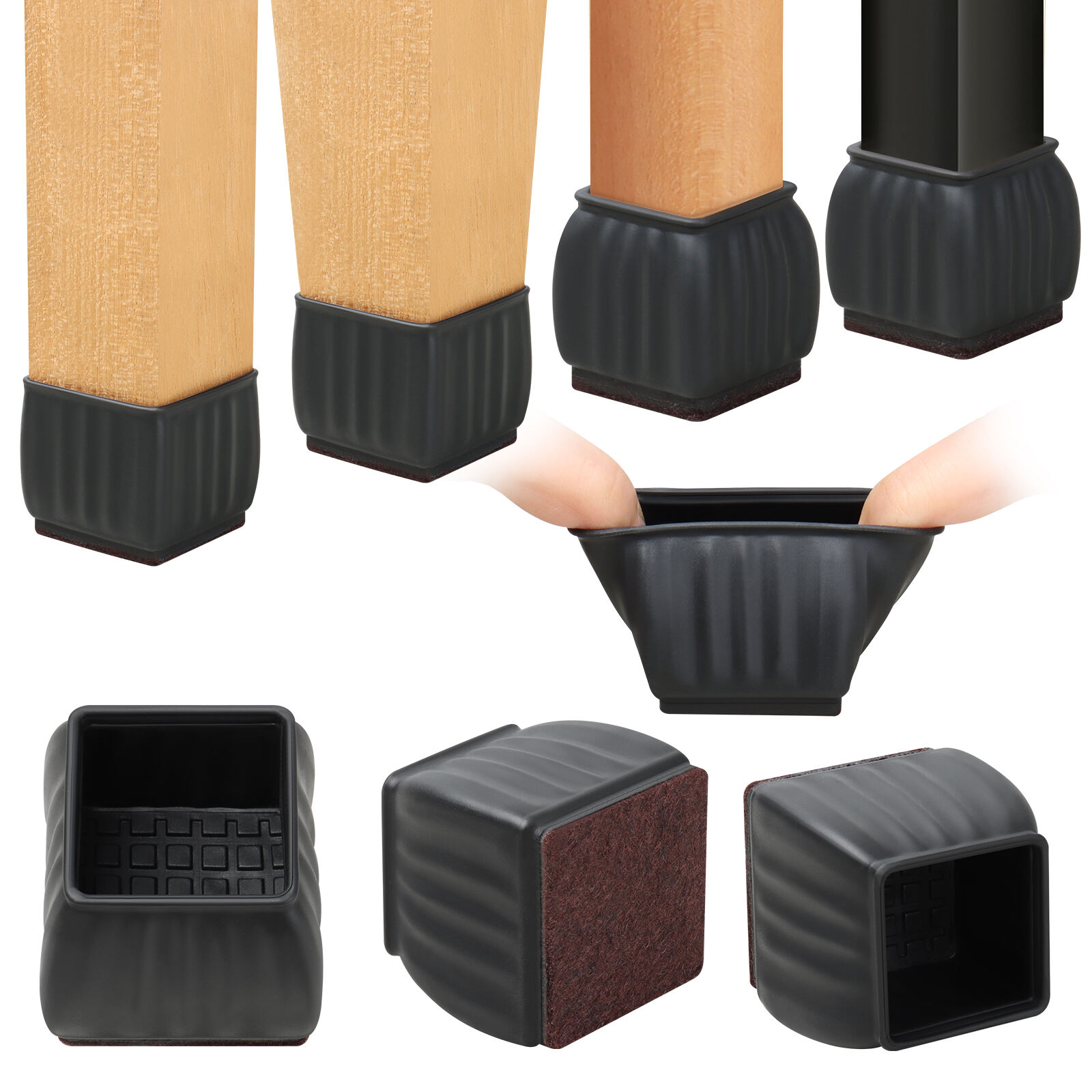
The process of selecting chair foot pads begins with precise measurement of leg dimensions at the contact point with the floor. This measurement phase is critical because uniquely shaped legs often have varying widths, depths, or irregular contours that standard measurement approaches might miss. Professional furniture protection requires understanding both the physical dimensions and the functional requirements of the chair foot pads to ensure long-term effectiveness and proper fit.
Essential Measurement Techniques for Irregular Furniture Legs
Direct Contact Point Assessment
The most accurate method for measuring uniquely shaped furniture legs involves assessing the exact contact point where the leg meets the floor. This measurement determines the effective surface area that requires protection and influences the size and shape of chair foot pads needed. For irregular leg profiles, measure both the length and width at the base, noting any variations in thickness or contour that might affect pad placement.
Professional measurement techniques include using flexible measuring tape or calipers to capture precise dimensions of non-standard leg shapes. For furniture legs with curved or angled surfaces, create a template by tracing the leg base on paper or cardboard. This template method ensures that selected chair foot pads will conform properly to the unique shape and provide complete coverage of the contact area.
Cross-Sectional Analysis Methods
Understanding the cross-sectional shape of furniture legs is essential for selecting appropriate chair foot pads that will maintain proper adhesion and protection. Examine whether the leg profile is circular, square, rectangular, oval, or features an irregular geometric shape. Some furniture pieces have legs that transition from one shape to another, requiring careful consideration of the base configuration where chair foot pads will be applied.
Document the leg profile using digital photography or physical tracings to ensure accurate communication when sourcing protective solutions. This documentation becomes particularly valuable when ordering custom or specialty chair foot pads that must accommodate unique furniture designs. The cross-sectional analysis also helps determine whether standard pad shapes can be modified or if custom solutions are necessary.
Material Selection Criteria for Optimal Performance
Surface Compatibility Assessment
The selection of appropriate chair foot pads depends heavily on the compatibility between the pad material and both the furniture leg surface and the floor type. Different leg materials such as wood, metal, plastic, or composite surfaces require specific adhesive properties and material characteristics to ensure secure attachment. Evaluate the leg surface texture, finish, and material composition to determine which pad materials will provide optimal adhesion without causing damage.
Floor protection requirements also influence material selection for chair foot pads. Hardwood floors demand different protective characteristics compared to tile, carpet, or laminate surfaces. Consider the hardness, texture, and potential for scratching when selecting pad materials. Silicone and felt materials offer different advantages, with silicone providing superior grip and moisture resistance while felt offers excellent cushioning and smooth sliding properties.
Durability and Load Distribution Factors
The load-bearing capacity of chair foot pads must match the weight and usage patterns of the furniture piece. Heavy furniture or chairs subjected to frequent movement require more robust pad construction and materials that can withstand compression without losing their protective properties. Evaluate the total furniture weight, typical occupancy loads, and movement frequency to select chair foot pads with appropriate thickness and density characteristics.
Consider the distribution of weight across uniquely shaped legs, as irregular profiles may create pressure points that require special attention. Some furniture designs concentrate weight on specific areas of the leg base, necessitating chair foot pads with enhanced structural integrity in those areas. Proper load distribution ensures long-term effectiveness and prevents premature wear or failure of the protective system.
Installation Strategies for Unique Leg Configurations
Preparation and Surface Treatment
Proper installation of chair foot pads on uniquely shaped furniture legs requires thorough surface preparation to ensure optimal adhesion and performance. Clean the leg base thoroughly, removing any dust, polish residue, or contaminants that might interfere with pad attachment. For smooth or glossy leg surfaces, light sanding may improve adhesive bond strength, particularly when using chair foot pads with pressure-sensitive adhesive backing.
Temperature and humidity conditions during installation affect the performance of adhesive-backed chair foot pads. Install pads in moderate temperature and humidity conditions to optimize adhesive activation and curing. Allow adequate curing time before moving or loading the furniture to ensure that the protective system achieves full bond strength and stability.
Alignment and Positioning Techniques
Accurate positioning of chair foot pads on irregular leg shapes requires careful attention to alignment and coverage optimization. Center the pad on the leg base whenever possible, ensuring equal protection around the perimeter of the contact area. For asymmetrical leg shapes, position chair foot pads to provide maximum coverage of the primary load-bearing surfaces while maintaining aesthetic balance.
Use temporary positioning aids such as masking tape or removable markers to verify proper alignment before final installation. This approach prevents misalignment that could compromise protection effectiveness or create unsightly gaps. For furniture with multiple legs of varying shapes, maintain consistent positioning standards across all legs to ensure uniform appearance and performance of the chair foot pads system.
Long-Term Maintenance and Replacement Considerations
Performance Monitoring Systems
Regular inspection of chair foot pads on uniquely shaped furniture legs ensures continued protection effectiveness and identifies potential issues before they cause floor damage. Establish a routine inspection schedule based on furniture usage patterns and environmental conditions. Check for signs of wear, compression, edge lifting, or adhesive failure that might compromise the protective function of chair foot pads.
Document the installation date and expected service life of chair foot pads to facilitate timely replacement planning. Different materials and usage conditions result in varying service lives, making systematic tracking essential for maintaining optimal floor protection. Monitor changes in furniture stability or increased noise levels that might indicate pad degradation or displacement.
Replacement Planning and Optimization
Develop a replacement strategy for chair foot pads that considers the unique requirements of irregular furniture leg configurations. Keep detailed records of successful pad specifications, including dimensions, materials, and supplier information to ensure consistent replacement solutions. This documentation becomes particularly valuable for custom or specialty chair foot pads that require specific ordering procedures or lead times.
Consider upgrading to improved pad materials or designs during replacement cycles to enhance performance or address issues identified during the service period. Advances in pad technology may offer better solutions for uniquely shaped legs, including improved adhesives, more durable materials, or enhanced compatibility with specific floor types. Regular evaluation of available chair foot pads options ensures optimal protection for valuable furniture and flooring investments.
FAQ
What tools are essential for accurately measuring irregularly shaped furniture legs?
Essential measurement tools include flexible measuring tape, calipers, paper or cardboard for creating templates, and a digital camera for documentation. These tools allow you to capture both dimensional and shape characteristics of unique leg profiles to ensure proper chair foot pads selection.
How do I determine the correct thickness for chair foot pads on heavy furniture?
Calculate the total weight including typical occupancy loads and consider the contact area of each leg. Heavy furniture typically requires chair foot pads with thickness of 3-6mm for adequate compression resistance, while lighter pieces may use thinner pads of 1-3mm thickness.
Can chair foot pads be modified to fit unusual leg shapes?
Yes, many chair foot pads can be carefully trimmed or shaped using sharp tools to accommodate irregular leg profiles. However, avoid removing material from load-bearing areas and ensure that modifications don't compromise the structural integrity or adhesive properties of the protective system.
How often should chair foot pads be replaced on frequently moved furniture?
Furniture moved daily typically requires chair foot pads replacement every 6-12 months, while occasionally moved pieces may last 1-2 years. Monitor for signs of wear such as compressed thickness, edge separation, or reduced floor protection effectiveness to determine optimal replacement timing.


