
 EN
EN
 AR
AR
 BG
BG
 HR
HR
 CS
CS
 DA
DA
 NL
NL
 FI
FI
 FR
FR
 DE
DE
 EL
EL
 HI
HI
 IT
IT
 JA
JA
 KO
KO
 NO
NO
 PL
PL
 PT
PT
 RO
RO
 RU
RU
 ES
ES
 SV
SV
 CA
CA
 TL
TL
 IW
IW
 ID
ID
 LT
LT
 SR
SR
 SK
SK
 SL
SL
 UK
UK
 VI
VI
 HU
HU
 TR
TR
 AF
AF
 MS
MS
 GA
GA
 LA
LA
 MN
MN
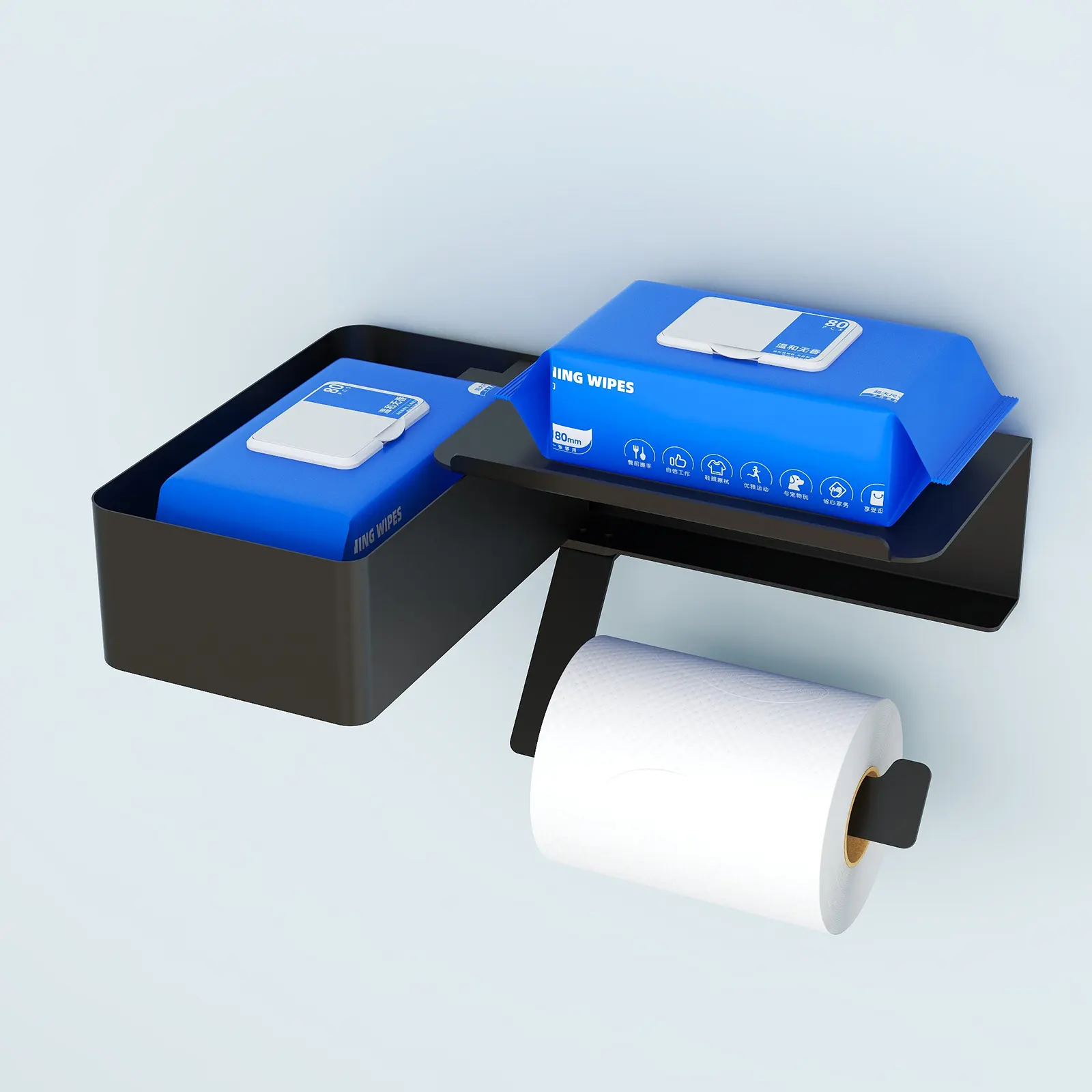
Manufacturing partnerships in the bathroom accessories industry require careful consideration of supplier capabilities, production quality, and long-term reliability. When businesses seek to source bathroom hardware components, selecting an experienced toilet paper holder factory becomes a critical decision that impacts product quality, delivery timelines, and overall market competitiveness. The choice between working with established manufacturers versus newer entrants can significantly influence project outcomes and business success.
Experienced manufacturers bring decades of accumulated knowledge, refined processes, and proven track records that newer facilities often lack. These established operations have weathered market fluctuations, adapted to changing consumer preferences, and developed sophisticated quality control systems. Their expertise extends beyond basic manufacturing to encompass design innovation, material optimization, and supply chain management.
The bathroom accessories market demands precision manufacturing, consistent quality standards, and reliable delivery schedules. Partnering with seasoned manufacturers provides access to these essential capabilities while minimizing risks associated with product defects, production delays, and quality inconsistencies that can damage brand reputation and customer relationships.
Manufacturing Expertise and Technical Capabilities
Advanced Production Technologies
Established toilet paper holder factory operations typically invest heavily in state-of-the-art manufacturing equipment and automation systems. These technological investments enable precise metal forming, consistent surface finishing, and efficient assembly processes. Advanced CNC machining centers ensure dimensional accuracy while automated welding systems provide uniform joint quality across production runs.
Modern manufacturing facilities incorporate computer-controlled systems for material handling, quality inspection, and packaging operations. These automated processes reduce human error, increase production consistency, and enable rapid scaling to meet fluctuating demand. Temperature-controlled environments ensure optimal conditions for metal treatment processes and coating applications.
Investment in research and development capabilities allows experienced manufacturers to continuously improve production methods and explore new material technologies. These ongoing improvements translate into better product performance, enhanced durability, and innovative design features that meet evolving market demands.
Quality Control Systems
Experienced manufacturers implement comprehensive quality management systems that encompass every stage of production from raw material inspection to final product testing. Multiple checkpoint inspections ensure conformance to specifications while statistical process control monitors production parameters in real-time.
Rigorous testing protocols evaluate product strength, corrosion resistance, and installation reliability under various environmental conditions. These testing procedures validate product performance claims and ensure compliance with industry standards and safety regulations. Documentation systems provide complete traceability for quality audits and continuous improvement initiatives.
Quality control extends beyond manufacturing to include supplier qualification programs that ensure raw material consistency and reliability. Long-term relationships with certified material suppliers provide stable access to premium-grade metals, fasteners, and finishing materials.
Supply Chain Management and Reliability
Established Supplier Networks
Seasoned toilet paper holder factory operations maintain extensive networks of qualified suppliers for raw materials, components, and specialized services. These established relationships provide preferential pricing, priority allocation during material shortages, and collaborative development opportunities for new products and processes.
Diversified supplier bases reduce dependency risks while ensuring continuous material availability even during market disruptions. Multiple sourcing strategies protect against supply chain interruptions while maintaining cost competitiveness through supplier competition and negotiated volume discounts.
Strategic partnerships with logistics providers ensure reliable transportation and delivery services. Established shipping relationships provide access to expedited services, consolidated shipments, and favorable freight rates that benefit customers through reduced costs and improved delivery performance.
Inventory Management Capabilities
Experienced manufacturers implement sophisticated inventory management systems that balance customer service levels with working capital efficiency. Advanced forecasting techniques predict demand patterns while safety stock strategies ensure availability during peak seasons or unexpected demand surges.
Warehouse management systems optimize storage layouts, picking efficiency, and shipping accuracy. Automated inventory tracking provides real-time visibility into stock levels, production schedules, and delivery commitments. These capabilities enable responsive customer service and accurate delivery promises.
Buffer inventory strategies protect against material delivery delays while just-in-time principles minimize carrying costs. Balanced approaches ensure product availability without excessive inventory investment that could impact pricing competitiveness.
Design Innovation and Customization Services
Product Development Expertise
Established toilet paper holder factory partners bring extensive design experience and engineering capabilities to product development projects. Their teams understand market trends, installation requirements, and user preferences that influence successful product designs. This knowledge accelerates development timelines while reducing costly design iterations.
Computer-aided design systems enable rapid prototyping and design optimization before production tooling investments. Advanced simulation software predicts product performance under various loading conditions and environmental stresses. These capabilities validate designs and identify potential issues before manufacturing begins.
Cross-functional development teams include industrial designers, mechanical engineers, and manufacturing specialists who collaborate to optimize products for both functionality and producibility. This integrated approach ensures designs meet performance requirements while remaining cost-effective to manufacture.
Customization Flexibility
Experienced manufacturers offer extensive customization capabilities to meet specific customer requirements and market positioning strategies. Flexible manufacturing systems accommodate various size configurations, finish options, and mounting methods without significant tooling investments or minimum order quantity constraints.
Modular design approaches enable efficient customization while maintaining production economies. Standard base components can be combined with customer-specific elements to create unique products that differentiate brands in competitive markets.
Rapid prototyping services allow customers to evaluate design concepts and make refinements before committing to production tooling. This collaborative approach ensures final products meet expectations while minimizing development risks and costs.
Cost Efficiency and Economic Benefits
Production Scale Advantages
Large-scale toilet paper holder factory operations achieve significant cost advantages through volume production efficiencies, bulk material purchasing, and optimized labor utilization. These economies of scale translate into competitive pricing for customers while maintaining healthy profit margins that support continued investment in capabilities and quality improvements.
Established production volumes justify investments in specialized tooling and automation equipment that reduce per-unit manufacturing costs. High-volume operations distribute fixed costs across larger quantities while learning curve effects continuously improve efficiency and reduce waste.
Optimized facility layouts and workflow designs maximize productivity while minimizing material handling and transportation costs. Efficient operations reduce overhead expenses that can be passed through to customers as competitive pricing advantages.
Long-term Partnership Value
Experienced manufacturers prioritize long-term customer relationships over short-term transaction profits. This perspective encourages collaborative approaches to cost reduction, quality improvement, and product innovation that benefit both parties over time.
Volume commitment arrangements provide pricing stability and production capacity guarantees that support customer business planning and market expansion strategies. Predictable costs enable accurate margin calculations and competitive pricing strategies.
Joint development investments create shared intellectual property and exclusive product features that differentiate customer offerings while strengthening partnership bonds. These collaborative investments generate mutual benefits that extend beyond simple supplier-customer transactions.
Regulatory Compliance and Certification
Industry Standards Adherence
Experienced toilet paper holder factory operations maintain comprehensive compliance programs that ensure products meet all applicable industry standards, building codes, and safety regulations. These compliance capabilities eliminate customer concerns about regulatory violations while ensuring products perform safely in intended applications.
Certified quality management systems demonstrate commitment to consistent processes and continuous improvement. Third-party audits validate compliance while providing customers with confidence in manufacturing capabilities and quality systems.
Regular testing and certification updates ensure ongoing compliance as standards evolve and new requirements emerge. Proactive compliance management protects customers from potential liability issues while ensuring market access in regulated environments.
Documentation and Traceability
Comprehensive documentation systems provide complete traceability for materials, processes, and quality data throughout the manufacturing cycle. These records support warranty claims, regulatory inspections, and continuous improvement initiatives.
Digital record-keeping systems ensure data integrity and accessibility while enabling rapid response to customer inquiries or regulatory requests. Automated data capture reduces manual errors while providing real-time visibility into production status and quality metrics.
Material certifications and test reports provide customers with confidence in product quality and regulatory compliance. Complete documentation packages support customer quality programs and end-user confidence in product performance and safety.
FAQ
How do experienced manufacturers ensure consistent product quality across large production runs?
Experienced toilet paper holder factory operations implement statistical process control systems that monitor critical parameters throughout production. Multiple inspection checkpoints verify conformance to specifications while automated testing equipment provides objective quality measurements. Comprehensive quality management systems ensure consistent processes and continuous improvement based on data analysis and customer feedback.
What advantages do established supplier relationships provide for toilet paper holder manufacturing?
Long-term supplier relationships provide preferential pricing, priority allocation during shortages, and collaborative development opportunities. Established manufacturers maintain diversified supplier networks that reduce dependency risks while ensuring material quality and availability. These relationships enable cost advantages and supply chain reliability that benefit end customers through competitive pricing and delivery performance.
How do experienced manufacturers handle customization requests without compromising production efficiency?
Seasoned toilet paper holder factory partners utilize modular design approaches and flexible manufacturing systems to accommodate customization requirements efficiently. Standard components can be combined with customer-specific elements while maintaining production economies. Advanced planning systems optimize production schedules to minimize changeover costs while meeting diverse customer requirements.
What role does technology investment play in manufacturing partnerships with experienced facilities?
Technology investments in advanced manufacturing equipment, automation systems, and quality control tools enable experienced manufacturers to provide superior products and services. These investments improve production consistency, reduce costs, and enable innovative design capabilities that benefit customer competitiveness. Ongoing technology upgrades ensure manufacturing partners remain at the forefront of industry capabilities and market requirements.
Table of Contents
- Manufacturing Expertise and Technical Capabilities
- Supply Chain Management and Reliability
- Design Innovation and Customization Services
- Cost Efficiency and Economic Benefits
- Regulatory Compliance and Certification
-
FAQ
- How do experienced manufacturers ensure consistent product quality across large production runs?
- What advantages do established supplier relationships provide for toilet paper holder manufacturing?
- How do experienced manufacturers handle customization requests without compromising production efficiency?
- What role does technology investment play in manufacturing partnerships with experienced facilities?


