
 EN
EN
 AR
AR
 BG
BG
 HR
HR
 CS
CS
 DA
DA
 NL
NL
 FI
FI
 FR
FR
 DE
DE
 EL
EL
 HI
HI
 IT
IT
 JA
JA
 KO
KO
 NO
NO
 PL
PL
 PT
PT
 RO
RO
 RU
RU
 ES
ES
 SV
SV
 CA
CA
 TL
TL
 IW
IW
 ID
ID
 LT
LT
 SR
SR
 SK
SK
 SL
SL
 UK
UK
 VI
VI
 HU
HU
 TR
TR
 AF
AF
 MS
MS
 GA
GA
 LA
LA
 MN
MN

Hvordan vælger man den rigtige form på stolens fodbeslag til koniske metalben?
Valg af passende stolens fodbeskyttere til koniske metalben kræver omhyggelig overvejelse af benenes geometri, beskyttelsesbehov for gulvet og æstetisk integration. Koniske ben stiller unikke udfordringer, da deres diameter ændrer sig fra top til bund, hvilket gør almindelige cylindriske stolfodbeskyttere ineffektive eller ustabile. Forkert form kan føre til dårlig pasform, for tidlig slitage, utilstrækkelig gulvbeskyttelse og nedsat møbels stabilitet. En forståelse af, hvordan benenes koniske vinkler, spidsdimensioner og materialekompatibilitet interagerer med fodbeskytternes design, gør det muligt at træffe velovervejede beslutninger, der forlænger møblernes levetid samtidig med, at gulvoverfladerne beskyttes.
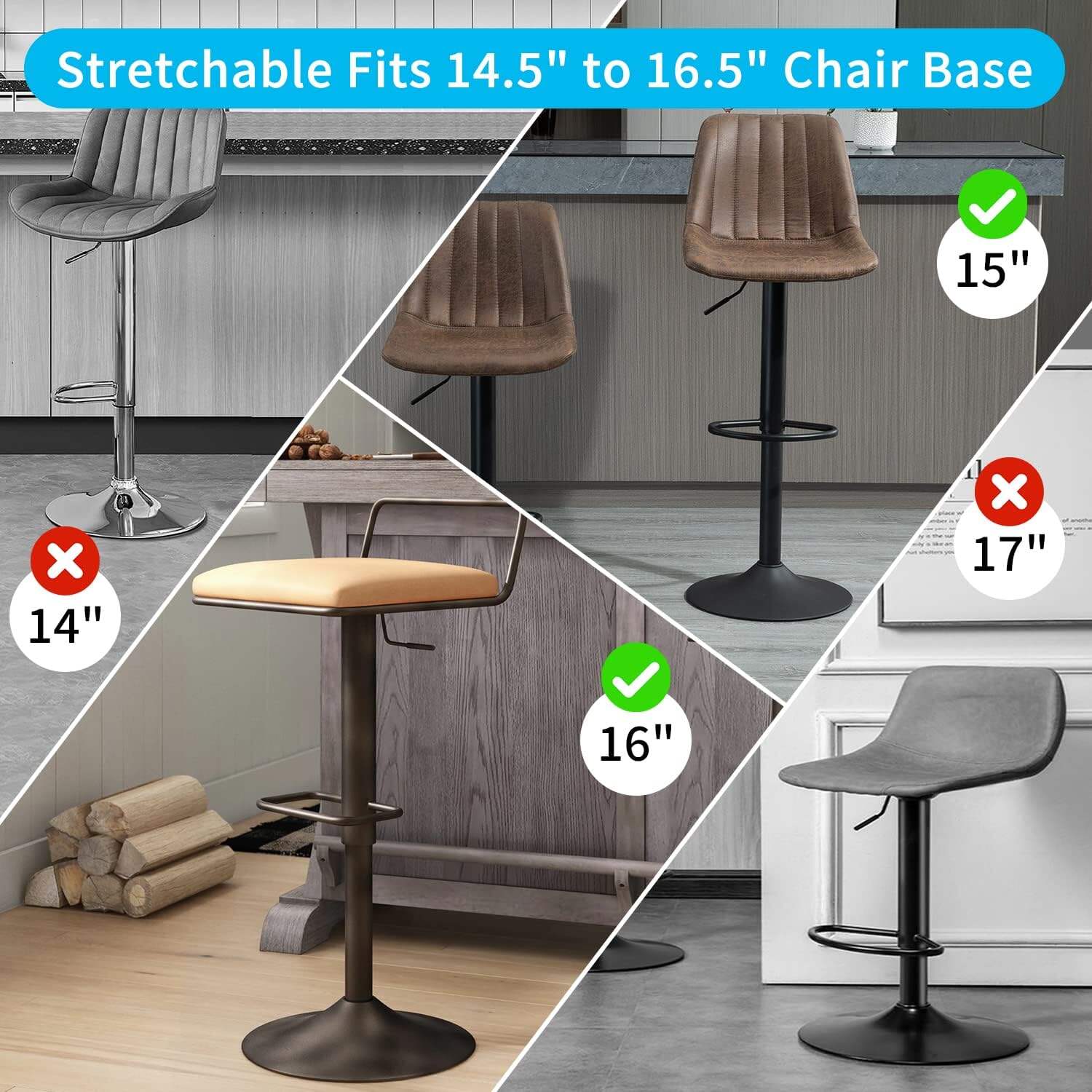
Taperede metalben er i stigende grad almindelige i nutidig møbeldesign og forekommer i spisebordsstole, barstole, kontorstole og kommercielle installationer. Disse ben trænger sig sammen fra fastgørelsespunktet til sædet mod gulvkontaktområdet, hvilket skaber visuel elegance, men kræver specialiserede beskyttelsesløsninger. Valgprocessen omfatter analyse af benets nederste diameter, taperingsvinkel, metaltykkelse samt forholdet mellem disse dimensioner og de tilgængelige polstergeometrier. Denne vejledning gennemgår de tekniske overvejelser, måleteknikker, formmuligheder og praktiske monteringsstrategier, der sikrer optimal ydelse fra dine stolens fodpolstre på taperede metalben.
Forståelse af taperede benes geometri og dens indflydelse på valg af polstre
Præcis måling af dimensioner for taperede ben
Præcis måling udgør grundlaget for en vellykket valg af stolens fodplader til koniske ben. Start med at måle ydrediameteren på det absolut nederste spids af benet, hvor det rører gulvet, da denne dimension bestemmer den mindste indvendige diameter, som din fodplade skal kunne rumme. Brug digitale skydelære til præcision, og mål tværs over det bredeste punkt på benets spids. For ovale eller ikke-cirkulære koniske former måles både den store og den lille akse. Mål derefter ca. 2,5 cm op fra bunden for at fastslå konisk formens grad, hvilket påvirker, hvor dybt benet vil sidde i fodpladens hulrum. Notér, om benets spids er helt åben, lukket med en kappe eller har en indvendig forstærkningskonstruktion, da dette påvirker kompatibiliteten med indsætningsdybden.
Faldvinklen har betydelig indflydelse på pudsens stabilitet og fastholdelse. En gradvis faldvinkel tillader dybere indførsel og skaber større kontaktareal mellem benet og pudsens indvendige vægge, hvilket forbedrer greb gennem friktion. Stejle faldvinkler begrænser indførseldybden, men kan kræve puder med bredere flangekonstruktioner for at kompensere for det reducerede grebområde. Tykkelsen af metalvæggen er også afgørende, da rør med tynde vægge kan deformeres under indførselstryk, hvis pudsens interferenspasform er for stram, mens ben med tykke vægge tåler strammere pasform. Dokumentér også benets overfladebehandling, da pulverlakerede, chromerede eller børstede overflader har forskellige friktionskarakteristika, der påvirker pudsens fastholdelse. Disse målinger sammen giver et grundlag for, hvilke stolpudsformer fysisk vil passe og forblive sikre under brug.
Hvordan faldkarakteristika påvirker pudsens stabilitet
Forholdet mellem benets koniske form og fodpladens indvendige geometri bestemmer installationsstabiliteten og langtidsholdbarheden. Fodplader til stole med koniske ben er typisk udstyret med kegleformede eller afskårede indvendige hulrum, der afspejler benets forsmallende profil, hvilket skaber kontinuerlig kontakt langs hele indsætningsdybden i stedet for kun ved indgangspunktet. Denne fordelt kontakt forhindrer svingning, reducerer spændingskoncentration og opretholder justeringen, selv under dynamiske belastningsforhold. Når den indvendige koniske form af fodpladen matcher benets koniske form inden for rimelige tolerancer, skaber kilevirkningen under indsætning en mekanisk fastgørelse, der modstår trækkræfter under stolenes bevægelse, trækning eller løftning.
Uoverensstemmende koniske vinkler skaber punktkontakt i stedet for fladekontakt, hvilket koncentrerer spændingen og tillader, at beslaget løsner sig over tid. Hvis den indvendige koniske vinkel på beslaget er stejlere end benets koniske vinkel, sker kontakten kun øverst i indføringshulen, hvilket efterlader benets spids uden støtte og skaber et drejepunkt, der fremmer vaklen. Omvendt, hvis beslagets koniske vinkel er mere jævn end benets koniske vinkel, sker kontakten kun ved benets spids, hvilket giver minimal fastholdelse og tillader, at beslaget roterer eller adskilles. Kvalitetsstolens fodbeslag til koniske anvendelser indeholder en lille fleksibilitet i deres monteringsdele for at imødegå mindre variationer i koniske vinkler, samtidig med at fuldfladekontakt opretholdes. At forstå disse mekaniske principper hjælper dig med at vurdere, om et bestemt beslagsdesign vil yde pålideligt på din specifikke koniske benkonfiguration.
Materialekompatibilitet mellem metalben og beslagets indvendige overflade
Grænsen mellem metalbensoverflader og indvendige materialer i fodplader påvirker både installationsnemheden og langtidsholdbarheden. Termoplastiske elastomere og silikoneforbindelser, der almindeligvis anvendes i fodplader til stole, udviser høje friktionskoefficienter mod metaloverflader, hvilket skaber greb gennem molekylær adhæsion og interaktion mellem overfladeteksturer. Denne friktion skal afvejes omhyggeligt, da for stort greb gør installationen besværlig og kan beskadige benenes overfladebehandling, mens utilstrækkelig friktion tillader, at fodpladerne roterer eller løsner sig. Den optimale materialekombination sikrer en glat installation med håndtryk samtidig med, at der genereres tilstrækkelig fastholdelseskraft til at modstå adskillelse under normal brug.
Metaloverfladens finish påvirker betydeligt denne interaktion. Chrome og poleret rustfrit stål udgør glatte, lavenergi-overflader, der muligvis kræver stolens fodplader med strukturerede indvendige ribber eller forbedrede greb-funktioner. Pulverlakkerede overflader giver højere friktion, men kan blive ridset eller skrabet, hvis indvendige overflader på pladerne indeholder skarpe kanter eller slidende partikler. Børstede eller kuglestrålebehandlede overflader giver mellemfriction med gode holdbarhedsegenskaber. Nogle premium-stolsfodplader har en konstruktion med to forskellige durometer-værdier, hvor et blødere, mere gnidningskraftigt materiale anvendes i greb-zonen og et mere fast materiale i gulvkontaktområdet, hvilket optimerer både fastholdelse og slidmodstand. Overvej at anmode producenterne om oplysninger om materialekompatibilitet, især ved dyr møbel eller kommercielle installationer, hvor svigt af fodpladerne kunne give anledning til erstatningsansvar.
Analyse af former for stolsfodplader til koniske ben
Cylindriske plader med koniske indvendige hulrum
Cylindriske ydre stolbenplader med kegleformede indvendige monteringshuller udgør den mest almindelige løsning til koniske metalben. Disse plader opretholder en ensartet ydre diameter, der sikrer stabil gulvkontakt, mens den indvendige hulrum trænger sammen for at matche de typiske taperingsvinkler på møbelben. Den cylindriske yderside fordeler trykket fra gulvkontakten jævnt og forhindrer, at trykket koncentreres ved kanterne, hvilket kan beskadige bløde gulvmaterialer. Den indvendige taper ligger typisk mellem tre og syv grader og dækker de fleste kommersielt fremstillede koniske møbelben. Denne konstruktion fungerer særligt godt til spisebordsstole, kontorstole og lette anvendelser, hvor æstetisk diskretion er værdifuld, da pladens yderside bevares med rene geometriske linjer.
Installationsdybden bliver kritisk ved cylindriske kegleformede huldesign, fordi utilstrækkelig indsætning efterlader benets spids uden støtte, mens for stor indsætningsdybde kan føre til, at benet rammer interne stop eller når områder, hvor huldiameteren ikke længere svarer til bendiameteren. Kvalitetsdesign inkluderer funktioner til begrænsning af dybden, såsom indvendige skuldre eller overgange i modstand, der signalerer korrekt siddestilling under installationen. Den cylindriske ydre form gør også det muligt at justere rotationen efter installationen, så du kan orientere eventuelle mærkeføring eller designelementer ensartet på alle stolenes ben. Når du vælger cylindriske stolefodspuder til kegleformede ben, skal du sikre dig, at den angivne keglevinkel og indsætningsdybde stemmer overens med dine målte benkarakteristika for at sikre korrekt mekanisk sammenkobling.
Flangemontagede og skiveformede polsterkonfigurationer
Fodplader med flange er udstyret med en udvidet skive eller platform, der rækker ud over benets diameter, hvilket giver en større gulvkontaktareal sammenlignet med cylindriske design. For koniske ben er disse fodplader udstyret med koniske monteringsstænger eller sokler, der sættes ind i åbningen i benet, mens flangen forbliver synlig under benets afslutning. Det forøgede kontaktareal fordeler vægten over et større overfladeareal, hvilket gør flangedesignene særligt velegnede til bløde gulvmaterialer som vinyl, laminat eller konstrueret træ, som kan blive fordybet under koncentrerede belastninger. Flangen fungerer også som et visuelt afslutningspunkt for benet, hvilket nogle designere foretrækker af æstetiske grunde, især på møbler i midt-century-modern- eller skandinavisk-inspireret stil.
Den mekaniske fordel ved flangekonfigurationer skyldes deres evne til at opretholde stabilitet, selv når den koniske monteringsstang har begrænset indføringdybde eller grebeflade. Flangediameteren ligger typisk mellem en og en halv og tre gange diameteren af benets spids, hvor større forhold giver større stabilitet, men også øget visuel fremtræden. Ved installationen skal der tages højde for flangens orientering, især på stole med skrånende ben, for at sikre, at skiven ligger fladt mod gulvet i stedet for skråt. Nogle flangemontrede fodplader til stole indeholder drejemechanismer, der tillader skiven at justere sig selv på ujævne gulve, mens monteringsstangen forbliver fast i det koniske ben. Denne funktion er særligt værdifuld i kommercielle omgivelser eller hjem med ældre gulve, hvor perfekt jævnhed ikke kan antages. Overvej flangemontrede muligheder, når dine koniske ben har begrænset vægtykkelse, lav indføringdybde eller når forbedret stabilitet på bløde gulve er en prioritet.
Tilpasset og universel konisk design
Tilpassede stolens fodplader fremstilles efter præcise specifikationer, der matcher dine nøjagtige benmål, koniske vinkler og krav til indstikdybde. Disse løsninger eliminerer kompromiserne, der er forbundet med universelle designs, og sikrer optimal pasform, maksimal fastholdelse og usynlig visuel integration. Tilpasning sker typisk ved, at du leverer detaljerede mål eller fysiske benprøver til producenterne, som derefter fremstiller plader med præcis matchende indvendige geometrier. Denne fremgangsmåde er økonomisk fornuftig ved kommercielle installationer, fremstilling af specialmøbler eller restaurering pROJEKTER af vintagegenstande med ikke-standard benkonfigurationer. Investeringen i tilpasset værktøj fordeler sig over ordremængden, hvilket gør stykprisen rimelig ved mængder, der overstiger de almindelige minimumsordrekrav.
Universal-taper-designs forsøger at tilpasse sig flere benkonfigurationer ved hjælp af fleksible materialer, justerbare komponenter eller progresive hulgeometrier, der griber over et spektrum af taper-vinkler. Disse stolfodder indeholder funktioner som f.eks. splittede monteringsstænger, der komprimeres under installationen, flertrins indre hulrum, der griber om benene ved forskellige indsætningsdybder, eller meget elastiske materialer, der deformeres for at matche forskellige benprofiler. Selvom universelle designs ikke kan opnå den præcise pasform, som skræddersyede løsninger giver, leverer kvalitetsudgaver acceptabel ydelse inden for deres specificerede område. De fungerer bedst som erstatningsløsninger til boligmøbler, hvor en præcis specifikationsmatchning måske er upraktisk. Vurder universelle muligheder ved at bekræfte, at dine målte benmål falder inden for det specificerede tilpasningsområde, helst i den midterste tredjedel af dette område snarere end ved ekstremerne, hvor ydelsesnedsættelser bliver mere udtalte.
Vurdering af krav til gulvbeskyttelse og design af fodplade
Tilpasning af fodpladens hårdhed til gulvtypen
Durometerværdien for stolens fodplader påvirker direkte deres effektivitet i forhold til gulvbeskyttelse samt deres slidkarakteristika. Bløde gulvmaterialer som vinylsammensat flise, luksusvinylplank, linoleum og kork kræver fodplader til stole med durometerværdier under Shore A 70 for at fordele trykket uden at forårsage permanent indtrykning. Disse blødere fodplader deformeres let under belastning, hvilket øger kontaktarealet og reducerer trykket i pund pr. kvadrattomme på gulvoverfladen. Hårdere gulve som keramikfliser, naturlig sten, poleret beton og terrazzo kan tåle fastere fodplader i intervallet Shore A 75–90, som er mere modstandsdygtige over for slitage, samtidig med at de stadig sikrer tilstrækkelig greb for at forhindre glidning.
Gulvbelægning af massivt træ stiller mellemkrav, hvor valget af fodbeskyttere skal afbalancere beskyttelse mod ridser med slidstyrke. Fodbeskyttere til kontorstole til brug på massivt træ angives typisk med en hårdhed på Shore A 60–75, hvilket er blødt nok til at undgå ridser under mikrobewægelser, men fast nok til at modstå revner og udbrydninger, som kan opstå ved meget bløde materialer. Geometrien af fodbeskytterens bund påvirker også gulvbeskyttelsen: flade, brede kontaktflader fordeler trykket mere effektivt end smalle eller kuppelformede profiler. Nogle premium-fodbeskyttere til kontorstole indeholder filtindsætninger eller limede filtunderlag, der giver fremragende beskyttelse af massivt træ uden at kompromittere holdbarheden. Ved valg af fodbeskyttere til koniske metalben til brug på massivt træ bør man prioritere design, der eksplicit angiver kompatibilitet med massivt træ samt har glatte, ensartede bundflader uden støbefejl eller skarpe kanter, der kunne skade overfladen.
Overvej lyddæmpning og glidsegenskaber
Stolen bevægelse frembringer støj gennem to primære mekanismer: stødlyde fra kontakt mellem stol og gulv ved start af bevægelse eller vægtforskydning samt gnidningslyde fra træk eller glidning. Fodplader til stole med passende materialevalg og basisdesign mindsker begge typer lyd. Elastomere materialer dæmper naturligt stød ved at absorbere energi under kontaktbegivenheder i stedet for at overføre den direkte til gulvkonstruktionen. Denne dæmpningseffekt er især tydelig på hårde gulve over betonundergulve, hvor lydoverførsel kan blive generende i fleretagede bygninger eller åbne kontormiljøer.
Friktionskoefficienten mellem stolens fodplader og gulvet bestemmer glidemønsteret, hvilket påvirker både støjniveauet og brugeroplevelsen. Stolens fodplader med høj friktion forhindrer uønsket glidning på glatte gulve, men kræver større kraft til bevidst omplacering af stolen, hvilket potentielt kan forårsage dragelyd. Design med lavere friktion gør det muligt at omplacere stolen smidigt og stille, men kan tillade, at stolen glider uventet på skrånende eller ujævne gulve. Den optimale balance afhænger af din specifikke anvendelse og gulvtype. I kommercielle spisesteder foretrækkes ofte en moderat friktion, der tillader kontrolleret bevægelse uden overdreven støj, mens boligapplikationer måske kan acceptere højere friktion for øget stabilitet. Nogle avancerede stolfodplader har graduerede friktionsdesign, hvor statisk friktion er høj for at forhindre spontan bevægelse, men dynamisk friktion er lavere, så snart bevidst bevægelse påbegyndes, hvilket sikrer både stabilitet og stille omplacering.
Overvejelser vedrørende holdbarhed for anvendelser med høj trafik
I kommercielle omgivelser, uddannelsesinstitutioner, værtskabssteder eller aktive hjemmemiljøer skal stolens fodbeslag kunne klare tusindvis af kontaktcyklusser uden at miste deres ydeevne. Materialetræthed, slibning, kompressionsforringelse og fastgørelsesfejl udgør de primære udfordringer for holdbarheden. Højtkvalitets fodbeslag til stole til krævende anvendelser anvender materialer, der specifikt er formuleret til slidstyrke, såsom polyurethan-elastomere med forbedrede slidbestandighedsklassificeringer eller termoplastiske gummier med fremragende elastiske egenskaber, der modstår permanent deformation.
Holdmekanismens holdbarhed bestemmer ofte levetiden i højt belastede sammenhænge. Stolens fodplader, der udelukkende forlader sig på friktion for at passe til koniske ben, kan gradvist løsne sig, når mikrobewægelser slidter de indre grebflader, eller når pladematerialet får en kompressionsdeformation som følge af konstant belastning. Premiumdesign inkluderer mekaniske fastholdelsesfunktioner som indvendige ribber, der griber ind i benets indre, overflader, der er kompatible med lim, til supplerende fastgørelse, eller adgang til indstilleskruer til positiv mekanisk fastgørelse. For kommercielle anvendelser bør man overveje at specificere stolfodplader med dokumenterede slidprøvningsresultater, såsom cyklusprøvningsdata eller slidbestandighedsklassificeringer, for at sikre, at den valgte produkter vil levere acceptabelt serviceinterval. Udskiftningstidsplaner bør indgå i facilitetens vedligeholdelsesplanlægning, herunder inspektionsprotokoller til identifikation af slidte plader, inden de svigter og potentielt beskadiger gulvbelægningen.
Praktiske installationsmetoder og ydelsesoptimering
Forberedelse af koniske ben til montering af fodplader
Korrekt forberedelse af benene har betydelig indflydelse på holdbarheden og levetiden for stolens fodplader. Start med at rense både den indre og ydre kontaktflade på benet for at fjerne fremstillingsrester, olie, støv eller tidligere lim. Brug isopropylalkohol eller aceton på en uldfri klud, og sørg for, at opløsningsmidlet er kompatibelt med benets overfladebehandling. For ben med pulverlak eller andre overfladebehandlinger skal kompatibiliteten af opløsningsmidlet først testes på et usynligt område. Rens den indre hulrum grundigt, da fremstillingsprocesser ofte efterlader skærevæsker eller metalpartikler, hvilket reducerer friktionen og forhindrer korrekt montering af fodpladen.
Inspekter benets spids for ujævnheder, skarpe kanter eller deformationer, der kunne beskadige stolens fodbeskyttelser under montering eller påvirke pasformen. Fjern ujævnheder med fint slibepapir eller et afstumpningsværktøj, og vær omhyggelig for ikke at ridse synlige overfladeafslutninger. Hvis benets spids viser deformation fra tidligere brug uden beskyttelse, må du muligvis omforme den eller vælge fodbeskyttelser med lidt større tilpasningsområde. For ben med interne forstærkninger eller svejsninger nær spidsen skal du sikre dig, at de valgte stolfodbeskyttelser kan sættes ind forbi disse dele, eller at de er designet til at sidde fast mod dem. Nogle installatører påfører en tynd lag kompatibel lim på benets inderside før montering af fodbeskyttelserne i krævende anvendelser, men dette bør kun ske, hvis det eksplicit anbefales af fabrikanten af fodbeskyttelserne, da nogle materialer eller geometrier fungerer bedre uden lim.
Monteringsmetoder og verificering af fastholdelse
Installation af stolens fodbeskyttere på koniske ben kræver en kontrolleret kraftpåvirkning for at opnå korrekt montering uden at beskadige komponenter. Ved manuel installation placeres åbningen i beskytteren over spidsen af benet, og der sikres korrekt justering, hvis beskytteren har retningsspecifikke funktioner. Anvend jævn og stabil trykkraft, mens beskytteren roteres let for at hjælpe den til at glide ned over konussen. Undgå at slå beskytteren på med hammer eller anden slagkraft, da dette kan få beskytterne til at sprække, deformere tyndvæggede ben eller presse beskytterne for langt ned. Hvis installationen kræver overdreven kraft, skal du kontrollere, at du har den rigtige størrelse, og at benet er korrekt forberedt. Nogle stolfodbeskyttere indeholder indikatorer for installationsdybde, visuelle mærker eller taktilt målbare funktioner, der signalerer korrekt montering.
Efter installation kontrolleres fastholdningen ved at forsøge at dreje og trække på fodpladen, mens benet holdes fast. Korrekt monterede stolens fodplader på koniske ben skal modstå rotation og kræve en betydelig trækraft for at blive fjernet. Hvis fodpladen drejer let eller trækkes af med lille kraft, kan den være for lille, utilstrækkeligt indsat eller inkompatibel med benets konisk form. Løs eventuelle fastholdningsproblemer, inden møblerne tages i brug, for at undgå for tidlig svigt. Ved kommercielle installationer eller på værdifulde møbler bør man overveje at supplere friktionsfastholdningen med passende limstoffer i henhold til producentens anvisninger for kompatible produkter og anvendelsesmetoder. Dokumentér installationsproceduren og resultaterne af fastholdningskontrollen for at etablere en basis for ydeevnestandarder og lette fremtidig vedligeholdelse.
Vedligeholdelse og udskiftningsplanlægning
Regelmæssig inspektion forlænger levetiden af stolens fodpuder og forhindrer skade på gulve forårsaget af slidte eller beskadigede puder. Fastlæg inspektionsintervaller ud fra brugens intensitet: undersøg puderne månedligt i kommercielle omgivelser med høj trafik og kvartalsvis i almindelige boligapplikationer. Søg efter synlige slidindikatorer, herunder tyndning af bunden, revner i kanterne, afsplitring af materiale eller overfladeglasering, der reducerer gnidningen. Kontroller fastholdningen ved at forsøge at dreje puderne og udskift alle puder, der er løsnet. Inspectér den flade, der er i kontakt med gulvet, for indlejret snavs, hærdet forurening eller skader, der kunne ridse gulvene.
Udskift stolens fodpuder, når slitageindikatorer vises, eller når tykkelsen af bundmaterialet nærmer sig minimumsspecifikationerne – typisk når mere end halvdelen af det oprindelige materiale er slidt væk. Proaktiv udskiftning forhindrer kaskadefejl, der opstår, når slidte puder tillader metal-til-gulv-kontakt, hvilket kan forårsage ridser, skraberier eller permanente mærker, der kræver dyre gulvreparationer. Ved installationer med blandet møbeludstyr skal der opretholdes et lager af reservedele, herunder dokumentation over, hvilke puderspecifikationer der svarer til hvilke møbelstykker, da spidse ben fra forskellige producenter eller møbellinjer måske kræver forskellige puderkonfigurationer, selvom de ser ens ud. Denne systematiske tilgang til vedligeholdelse og udskiftning beskytter både din gulvinvestering og dine møbler, samtidig med at den minimerer den samlede ejerpris gennem hele møblens levetid.
Ofte stillede spørgsmål
Hvad er den vigtigste måling, når der vælges stolfodpuder til spidse metalben?
Den mest kritiske måling er ydrediameteren af benets spids nederst, hvor den rører gulvet. Denne dimension bestemmer den mindste indre diameter, som stolens fodbeskyttere skal kunne tilpasse sig. Mål med digitale skydelære for præcision, og notér også diameteren ca. 2,5 cm oppe fra spidsen for at beregne konisk form (taper-vinklen). Disse to målinger definerer tilsammen benets geometri, som din fodbeskytters indre geometri skal matche for korrekt pasform og sikker fastholdelse.
Kan jeg bruge almindelige cylindriske stolfodbeskyttere på koniske ben?
Standard cylindriske stolfodbeskyttere med lige indre hulrum fungerer generelt ikke effektivt på koniske ben, da de kun skaber punktformig kontakt ved benets spids i stedet for en jævnt fordelt overfladekontakt. Dette resulterer i dårlig fastholdelse, ustabilitet og for tidlig slitage. Du har specifikt brug for stolfodbeskyttere, der er designet med koniske eller kegleformede indre hulrum, som matcher din bens koniske form (taper-vinkel), for at opnå korrekt mekanisk indgreb og pålidelig ydeevne.
Hvordan ved jeg, om mine stolens fodplader er korrekt monteret på koniske ben?
Korrekt monterede stolens fodplader skal modstå rotation, når du forsøger at dreje dem, mens du fastholder benet fast, og de skal kræve en betydelig trækraft for at blive fjernet. Pladen skal sidde helt ned til eventuelle dybdebegrænsende funktioner og skal sidde jævnt på gulvet uden revner eller skråstilling. Efter montering skal du placere stolen på en flad overflade og kontrollere, at alle ben rører gulvet jævnt uden at vægte, hvilket bekræfter, at alle plader sidder ensartet og fungerer korrekt.
Hvilken form af stolens fodplader virker bedst på koniske ben på trægulve?
Til trægulve fungerer cylindriske stolbenpuder med koniske indre hulrum og flade, brede bundflader bedst. Vælg puder med durometer-værdier mellem Shore A 60–75, hvilket giver tilstrækkelig blødhed til at forhindre ridser, samtidig med at slidfasthed opretholdes. Nogle brugere foretrækker puder med limede filtbunde til maksimal beskyttelse af trægulve, selvom disse kræver mere hyppig udskiftning. Sørg for, at bundfladen er glat og fri for formfejl fra støbningen, der kunne skade gulvets overfladebehandling under stolens bevægelse.


