
 EN
EN
 AR
AR
 BG
BG
 HR
HR
 CS
CS
 DA
DA
 NL
NL
 FI
FI
 FR
FR
 DE
DE
 EL
EL
 HI
HI
 IT
IT
 JA
JA
 KO
KO
 NO
NO
 PL
PL
 PT
PT
 RO
RO
 RU
RU
 ES
ES
 SV
SV
 CA
CA
 TL
TL
 IW
IW
 ID
ID
 LT
LT
 SR
SR
 SK
SK
 SL
SL
 UK
UK
 VI
VI
 HU
HU
 TR
TR
 AF
AF
 MS
MS
 GA
GA
 LA
LA
 MN
MN

Ποιο υλικό διαρκεί περισσότερο σε πλακάκια: οι προστατευτικές βάσεις καρεκλών από πυριτικό λάστιχο ή από νάιλον;
Κατά την επιλογή προστατευτικών παδ για τα πόδια καρεκλών σε δάπεδα από γρανίτη, η διάρκεια ζωής του υλικού αποτελεί κρίσιμο παράγοντα για διαχειριστές εγκαταστάσεων, ιδιοκτήτες κατοικιών και εσωτερικούς αρχιτέκτονες. Το ερώτημα κατά πόσο τα παδ από πυριτικό ελαστομερές ή από νάιλον παρέχουν ανωτέρα ανθεκτικότητα σε επιφάνειες γρανίτη επηρεάζει άμεσα τους προϋπολογισμούς συντήρησης, τη συχνότητα αντικατάστασης και τη συνολική αποτελεσματικότητα προστασίας των δαπέδων. Η κατανόηση της συγκριτικής διάρκειας ζωής αυτών των δύο δημοφιλών υλικών απαιτεί την εξέταση των δομικών τους ιδιοτήτων, των μοτίβων φθοράς υπό τυπικές συνθήκες χρήσης και του τρόπου με τον οποίο το καθένα αντιδρά στις μοναδικές προκλήσεις που παρουσιάζουν οι σκληρές επιφάνειες από κεραμικό ή πορσελάνινο γρανίτη.
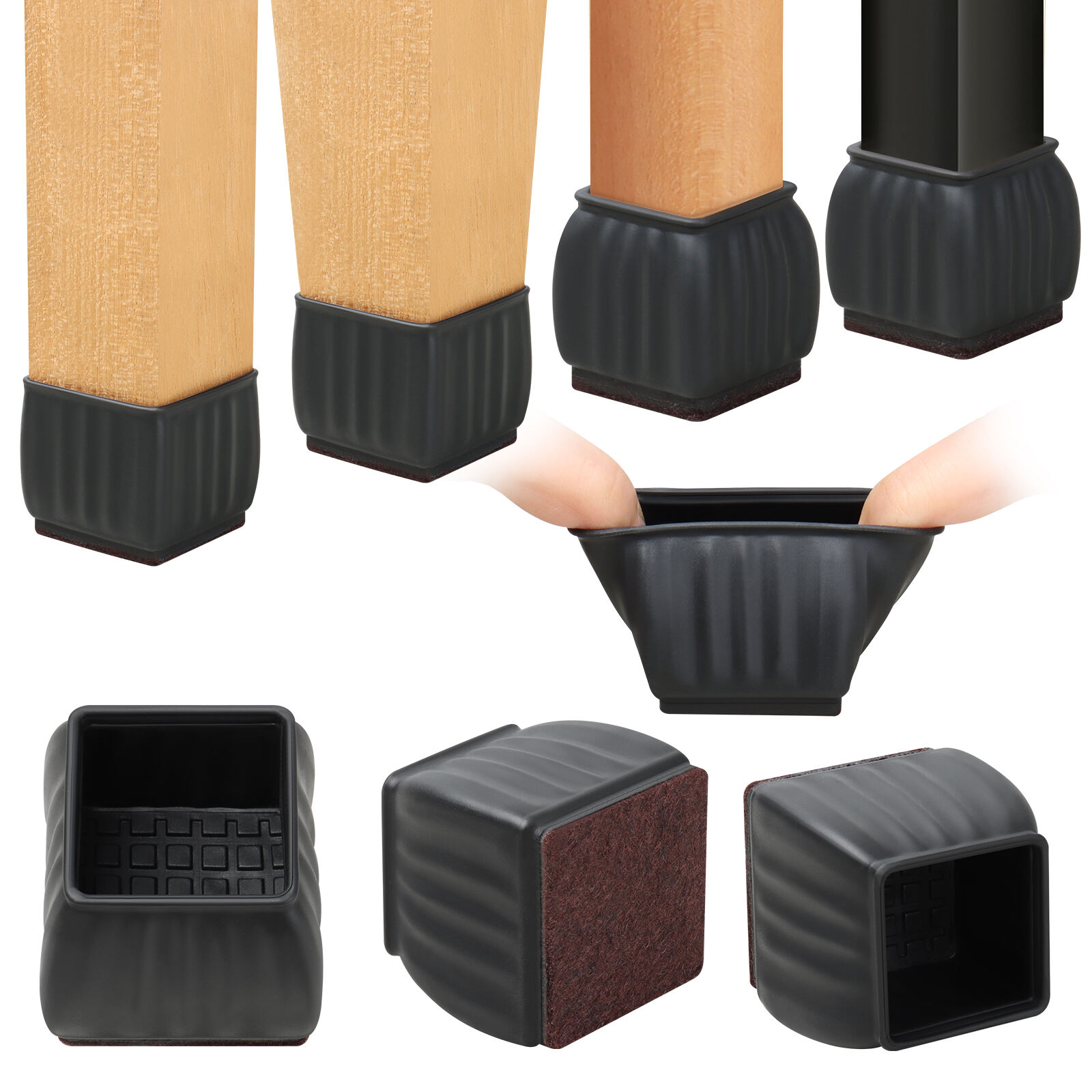
Οι προστατευτικές πλάκες από σιλικόνη για τα πόδια καρεκλών διαρκούν συνήθως πολύ περισσότερο από τις αντίστοιχες από νάιλον σε δάπεδα από πλακάκια, κυρίως λόγω της ανωτέρας αντοχής τους στην παραμόνιμη παραμόρφωση, στη φθορά και στην περιβαλλοντική σταθερότητα. Ενώ οι προστατευτικές πλάκες από νάιλον απαιτούν συνήθως αντικατάσταση κάθε έξι έως δώδεκα μήνες σε εμπορικά περιβάλλοντα με υψηλή κίνηση, οι ποιοτικές προστατευτικές πλάκες από σιλικόνη για τα πόδια καρεκλών διατηρούν συχνά τη λειτουργική τους ακεραιότητα για δεκαοκτώ μήνες έως τρία χρόνια σε συγκρίσιμες συνθήκες. Αυτή η επεκτεταμένη διάρκεια ζωής οφείλεται σε θεμελιώδεις διαφορές στην πολυμερική χημεία, στη διατήρηση της ελαστικότητας και στον τρόπο με τον οποίο κάθε υλικό κατανέμει το βάρος και τις δυνάμεις τριβής στην επιφάνεια επαφής. Οι οικονομικές επιπτώσεις αυτής της διαφοράς στην ανθεκτικότητα γίνονται σημαντικές όταν διαχειρίζεται κανείς πολλαπλές καρέκλες σε οικιακούς ή εμπορικούς χώρους.
Σύνθεση Υλικού και Παράγοντες Δομικής Ανθεκτικότητας
Μοριακή Δομή των Πολυμερών Σιλικόνης
Τα υλικά σιλικόνης που χρησιμοποιούνται στα προστατευτικά για τα πόδια καρεκλών αποτελούνται από αλυσίδες πολυδιμεθυλοσιλοξάνης με υποδομή από δεσμούς πυριτίου-οξυγόνου, οι οποίοι παρέχουν εξαιρετική ευελαστικότητα και ικανότητα ανάκαμψης. Αυτή η μοριακή δομή επιτρέπει στα προστατευτικά σιλικόνης για τα πόδια καρεκλών να αντέχουν επαναλαμβανόμενους κύκλους συμπίεσης χωρίς μόνιμη παραμόρφωση, μια ιδιότητα κρίσιμη για τη διατήρηση σταθερής επαφής με το δάπεδο και αποτελεσματικής προστασίας του επί μακρόν. Οι δεσμοί πυριτίου-οξυγόνου παρουσιάζουν εξαιρετική θερμική σταθερότητα και αντοχή στην οξειδωτική αποδόμηση, γεγονός που σημαίνει ότι αυτά τα προστατευτικά διατηρούν τις φυσικές τους ιδιότητες σε ευρύ φάσμα θερμοκρασιών, καθώς και κατά την έκθεσή τους στον αέρα, στην υγρασία και σε συνηθισμένους καθαριστικούς παράγοντες που χρησιμοποιούνται στις διαδικασίες συντήρησης δαπέδων από πλακάκια.
Η διασυνδεδεμένη δομή του επισκληρυμένου πολυμερούς σιλικόνης δημιουργεί ένα τρισδιάστατο δίκτυο που κατανέμει ομοιόμορφα τις τάσεις σε όλη τη μήτρα του υλικού. Όταν ένα πόδι καρέκλας που φέρει σημαντικό βάρος πιέζει προς τα κάτω επίστρωση από πλακάκια, αυτό το δίκτυο εμποδίζει τον σχηματισμό και τη διάδοση τοπικών σημείων αστοχίας μέσα στο υλικό του προστατευτικού παδ. Σε αντίθεση με τα θερμοπλαστικά υλικά, τα οποία μπορούν να αναπτύξουν ρωγμές λόγω τάσης ή επίπεδα διάτμησης υπό συνεχή φόρτιση, η σιλικόνη διατηρεί τη συνοχετική της ακεραιότητα ακόμη και μετά από χιλιάδες κύκλους συμπίεσης και απελευθέρωσης. Αυτό το θεμελιώδες δομικό πλεονέκτημα μεταφράζεται απευθείας σε επεκτεταμένη διάρκεια ζωής σε σκληρές επιφάνειες όπως τα κεραμικά και τα πορσελάνινα πλακάκια, όπου οι δυνάμεις κρούσης και η φόρτιση σε σημείο δημιουργούν απαιτητικές συνθήκες.
Σύνθεση Νάιλον και Χαρακτηριστικά Φθοράς
Οι προστατευτικές βάσεις από νάιλον για τα πόδια καρεκλών κατασκευάζονται από θερμοπλαστικά πολυαμίδια, τα οποία προσφέρουν καλή αρχική σκληρότητα και ικανότητα ολίσθησης, αλλά εμφανίζουν διαφορετικά χαρακτηριστικά γήρανσης σε σύγκριση με τις εναλλακτικές λύσεις από πυριτικό καουτσούκ. Οι γραμμικές πολυμερικές αλυσίδες στα υλικά νάιλον παρέχουν αντοχή και αντίσταση στη φθορά σε ορισμένες εφαρμογές, ωστόσο οι ίδιες μοριακές δομές καθιστούν το υλικό πιο ευάλωτο σε μόνιμη παραμόρφωση υπό συνεχείς συμπιεστικές φορτίσεις. Όταν οι βάσεις από νάιλον υποστηρίζουν τα πόδια καρεκλών σε δάπεδα από πλακάκια, η συνεχής πίεση συμπιέζει σταδιακά τις πολυμερικές αλυσίδες σε πυκνότερες διαμορφώσεις, οι οποίες δεν μπορούν να ανακτήσουν πλήρως το αρχικό τους σχήμα όταν αφαιρεθεί το βάρος, με αποτέλεσμα επίπεδες επιφάνειες επαφής που μειώνουν σταδιακά την προστατευτική αποτελεσματικότητα.
Η υγροσκοπική φύση του νάιλον δημιουργεί ένα ακόμη πρόβλημα ανθεκτικότητας σε εφαρμογές με πλακάκια, όπου η έκθεση σε υγρασία είναι συνήθης. Τα υλικά πολυαμιδίου απορροφούν υγρασία από το περιβάλλον, προκαλώντας διαστατικές αλλαγές και μαλάκυνση που επιταχύνουν τους ρυθμούς φθοράς. Σε κουζίνες, μπάνια ή εμπορικούς χώρους, όπου τα δάπεδα με πλακάκια καθαρίζονται τακτικά με υδατικά διαλύματα, οι προστατευτικές πλάκες από νάιλον μπορούν να απορροφήσουν υγρασία που πλαστικοποιεί την πολυμερή μήτρα και μειώνει την ικανότητα αντοχής σε φορτία. Αυτή η ευαισθησία στην υγρασία δημιουργεί μεταβλητή απόδοση ανάλογα με τις περιβαλλοντικές συνθήκες, ενώ οι προστατευτικές πλάκες για πόδια καρεκλών από πυριτικό λάστιχο διατηρούν σταθερές ιδιότητες ανεξάρτητα από τα επίπεδα υγρασίας ή τις διαδικασίες καθαρισμού με νερό, συμβάλλοντας έτσι στην ανωτέρα διάρκεια ζωής τους σε πραγματικές εφαρμογές με δάπεδα από πλακάκια.
Αντίσταση στην Παραμόρφωση υπό Συμπίεση και Μακροπρόθεσμη Απόδοση
Το ποσοστό συμπίεσης, που ορίζεται ως η μόνιμη παραμόρφωση που παραμένει μετά τη συμπίεση ενός υλικού και την απελευθέρωσή του, αποτελεί τον κύριο δείκτη της μακροχρόνιας αντοχής των προστατευτικών για τα πόδια καρεκλών. Οι υψηλής ποιότητας σιλικόνες παρουσιάζουν τιμές ποσοστού συμπίεσης κάτω του είκοσι τοις εκατό ακόμη και μετά από εκτεταμένη έκθεση σε συνεχή φόρτιση, πράγμα που σημαίνει ότι ανακτούν τουλάχιστον το ογδόντα τοις εκατό του αρχικού τους πάχους μετά την αφαίρεση του βάρους. Αυτή η ικανότητα ανάκτησης διασφαλίζει ότι τα προστατευτικά από σιλικόνη για τα πόδια καρεκλών διατηρούν καθ’ όλη τη διάρκεια ζωής τους τις επιθυμητές ιδιότητες αμόρτισης και κατανομής των φορτίων, προστατεύοντας συνεχώς τις επιφάνειες από κεραμικά πλακάκια από εντονοποιημένα σημειακά φορτία που θα μπορούσαν να προκαλέσουν ρωγμές ή άλλη ζημιά στην επιφάνεια.
Τα υλικά νάιλον εμφανίζουν συνήθως τιμές πλαστικής παραμόρφωσης (compression set) που κυμαίνονται από τριάντα έως πενήντα τοις εκατό υπό παρόμοιες συνθήκες δοκιμής, υποδεικνύοντας σημαντική μόνιμη παραμόρφωση που συσσωρεύεται με το πέρασμα του χρόνου. Καθώς οι προστατευτικές πλάκες από νάιλον επιπεδοποιούνται και χάνουν την αρχική τους γεωμετρία, η πίεση επαφής μεταξύ των ποδιών της καρέκλας και του πλακιδίου αυξάνεται, επιταχύνοντας τη φθορά τόσο του υλικού της πλάκας όσο και της επιφάνειας του πλακιδίου. Αυτή η προοδευτική εξασθένιση δημιουργεί έναν κύκλο ανάδρασης, κατά τον οποίο οι επιπεδοποιημένες πλάκες συγκεντρώνουν τις δυνάμεις σε μικρότερες περιοχές επαφής, επιταχύνοντας περαιτέρω την κατάστρωση του υλικού. Η ανωτέρα αντίσταση των προστατευτικών πλακών από πυριτικό καουτσούκ στην πλαστική παραμόρφωση διακόπτει αυτόν τον κύκλο εξασθένισης, διατηρώντας τη βέλτιστη γεωμετρία επαφής και την κατανομή της πίεσης, με αποτέλεσμα την παράταση της διάρκειας ζωής των πλακών και της αποτελεσματικότητας προστασίας του δαπέδου.
Αντοχή στην τριβή και μοτίβα φθοράς της επιφάνειας
Τριβή και δυναμική κίνησης σε επιφάνειες πλακιδίου
Η αλληλεπίδραση μεταξύ των προστατευτικών παδ των καρεκλών και των πλακιδίων περιλαμβάνει τόσο στατική συμπίεση όσο και δυναμική ολίσθηση κατά την κανονική χρήση, όταν οι καρέκλες μετακινούνται στο δάπεδο. Τα υλικά σιλικόνης διαθέτουν εγγενή λιπαντικότητα, η οποία μειώνει τους συντελεστές τριβής κατά την ολισθητική επαφή, ελαχιστοποιώντας τις αποβλητικές δυνάμεις που καταστρέφουν σταδιακά το υλικό των παδ. Αυτή η ιδιότητα αυτολίπανσης επιτρέπει στα προστατευτικά σιλικόνης για τα πόδια των καρεκλών να ολισθαίνουν ομαλά πάνω σε γυαλιστερά κεραμικά και πολυραντισμένα πορσελάνινα πλακίδια, χωρίς να παράγεται θερμότητα και μηχανική τάση που επιταχύνουν τη φθορά. Η χαμηλότερη τριβή προστατεύει επίσης τις επιφάνειες των πλακιδίων από γρατζουνιές, δημιουργώντας μια αμοιβαία επωφελή αλληλεπίδραση, στην οποία τόσο τα παδ όσο και το δάπεδο υφίστανται μειωμένους ρυθμούς φθοράς.
Οι προστατευτικές πλάκες από νάιλον εμφανίζουν συνήθως υψηλότερους συντελεστές τριβής σε σκληρές επιφάνειες πλακιδίων, ιδιαίτερα καθώς γηράσκουν και η υφή της επιφάνειάς τους αλλάζει λόγω φθοράς. Αυτή η αυξημένη αντίσταση στην ολίσθηση παράγει θερμότητα στην επαφή και δημιουργεί μηχανικές τάσεις που αποσπούν υλικό της πλάκας σε μικροσκοπικό επίπεδο. Μετά από χιλιάδες κύκλους κίνησης, αυτή η αποβλητική φθορά μειώνει σταδιακά το πάχος των πλακών από νάιλον και τραχαίνει την επιφάνεια επαφής, αυξάνοντας περαιτέρω την τριβή σε ένα αυτοενισχυόμενο μοτίβο φθοράς. Το αποτέλεσμα, δηλαδή η μειωμένη διάρκεια ζωής, γίνεται ιδιαίτερα εμφανές σε εμπορικά εστιατόρια, γραφεία ή οικιακούς χώρους, όπου οι καρέκλες μετακινούνται συχνά καθ’ όλη τη διάρκεια της ημέρας.
Επιδράσεις της υφής των πλακιδίων στη διάρκεια ζωής των υλικών
Η υφή της επιφάνειας των πλακιδίων επηρεάζει σημαντικά τη σχετική ανθεκτικότητα των προστατευτικών παδ για πόδια καρεκλών από σιλικόνη έναντι εκείνων από νάιλον. Τα πλακίδια με υφή ή ματ απόληξη παρουσιάζουν πιο επιθετικές επιφάνειες φθοράς σε σύγκριση με τις υψηλής λάμψης επιστρωμένες επιλογές, καθώς οι μικροσκοπικές κορυφές της υφής των πλακιδίων δρουν ως αποξεστικά στοιχεία που τρίβονται εναντίον των υλικών των παδ κατά την κίνηση. Τα προστατευτικά παδ για πόδια καρεκλών από σιλικόνη εμφανίζουν ανωτέρα αντοχή στη φθορά έναντι αυτών των υφασμένων επιφανειών λόγω της ικανότητάς τους να παραμορφώνονται ελαστικά, προσαρμόζοντας το σχήμα τους στις ανωμαλίες της επιφάνειας αντί να τις αντιστέκονται. Αυτή η ικανότητα προσαρμογής κατανέμει τις δυνάμεις φθοράς σε μεγαλύτερη αποτελεσματική επιφάνεια επαφής και εμποδίζει την τοπική αφαίρεση υλικού, η οποία διαφορετικά θα δημιουργούσε ασθενή σημεία ή σημεία έναρξης ρηγμάτων.
Η υψηλότερη σκληρότητα κατά Shore του νάιλον σημαίνει ότι δεν μπορεί να προσαρμόζεται τόσο εύκολα σε τεχνικά κεραμικά πλακάκια, με αποτέλεσμα η επαφή να εντοπίζεται κυρίως στα υψηλότερα σημεία τόσο του προστατευτικού παδ όσο και της υφής των πλακιδίων. Αυτή η εντοπισμένη επαφή δημιουργεί τοπικές ζώνες υψηλής πίεσης, όπου η αποβλητική φθορά προχωρά γρήγορα, δημιουργώντας αυλάκια ή επίπεδες περιοχές στην επιφάνεια του προστατευτικού παδ από νάιλον. Μόλις δημιουργηθούν αυτά τα μοτίβα φθοράς, τείνουν να συμπίπτουν με συγκεκριμένες γραμμές αρμολογήσεως των πλακιδίων ή με τα μοτίβα της υφής τους, δημιουργώντας προτιμησιακές διαδρομές φθοράς που επιταχύνουν την απώλεια υλικού. Η ικανότητα των προστατευτικών ποδιών καρεκλών από πυριτικό καουτσούκ να διατηρούν πλήρη επαφή με ολόκληρη την επιφάνεια, ανεξάρτητα από την υφή των πλακιδίων, συμβάλλει σημαντικά στην επέκταση της διάρκειας ζωής τους σε διάφορες εγκαταστάσεις δαπέδων με κεραμικά πλακάκια.
Αντοχή σε χημικές ουσίες και συμβατότητα με απορρυπαντικά
Η συντήρηση δαπέδων από πλακάκια συνήθως περιλαμβάνει τον τακτικό καθαρισμό με αλκαλικά απορρυπαντικά, οξέα αποσκληρυντικά ή απολυμαντικά με κατιονικά αμμώνια, τα οποία όλα έρχονται σε επαφή με τις προστατευτικές βάσεις των καρεκλών κατά τη διάρκεια του σφουγγαρίσματος ή των διαδικασιών καθαρισμού με ψεκασμό. Οι πολυμερείς σιλικόνες παρουσιάζουν εξαιρετική χημική αντοχή σε ευρύ φάσμα pH, παραμένοντας ανεπηρέαστες από τους περισσότερους συνηθισμένους καθαριστικούς παράγοντες που χρησιμοποιούνται στη συντήρηση πλακακιών σε οικιακά και εμπορικά περιβάλλοντα. Αυτή η χημική σταθερότητα σημαίνει ότι οι προστατευτικές βάσεις από σιλικόνη για τα πόδια των καρεκλών δεν υφίστανται φθορά, διόγκωση ή μαλάκυνση όταν εκτίθενται σε καθαριστικά διαλύματα, διατηρώντας τις μηχανικές τους ιδιότητες και τη διαστασιακή τους σταθερότητα σε όλη τη διάρκεια ζωής τους, ανεξάρτητα από τη συχνότητα του καθαρισμού ή την ένταση της έκθεσης σε χημικά προϊόντα.
Τα υλικά νάιλον εμφανίζουν μεταβλητή χημική αντοχή, ανάλογα με τις συγκεκριμένες συνθέσεις πολυαμιδίου και τη φύση των χρησιμοποιούμενων απορρυπαντικών. Ισχυρά αλκαλικά απορρυπαντικά μπορούν σταδιακά να υδρολύσουν τις αλυσίδες πολυαμιδίου, μειώνοντας το μοριακό βάρος και τη μηχανική αντοχή με την πάροδο του χρόνου. Τα οξικά απορρυπαντικά ενδέχεται επίσης να επιτίθενται στις δομές νάιλον, ιδιαίτερα σε υψηλότερες θερμοκρασίες που επιταχύνουν τους ρυθμούς χημικών αντιδράσεων. Αυτή η χημική ευαισθησία σημαίνει ότι επιθετικά ή συχνά προγράμματα καθαρισμού μειώνουν σημαντικά τη διάρκεια ζωής των προστατευτικών παδ νάιλον σε πλακάκια, ενώ οι εναλλακτικές λύσεις από πυριτικό ελαστομερές διατηρούν σταθερή απόδοση ανεξάρτητα από τα πρωτόκολλα συντήρησης. Για εγκαταστάσεις που απαιτούν αυστηρά πρότυπα υγιεινής και συχνό καθαρισμό με χημικά, η χημική αδράνεια των προστατευτικών για τα πόδια καρεκλών από πυριτικό ελαστομερές προσφέρει καθοριστικά πλεονεκτήματα διαρκείας.
Παράγοντες Περιβάλλοντος και Αντοχή στην Γήρανση
Κυκλική Θερμοκρασία και Θερμική Σταθερότητα
Οι δαπέδες από πλακάκια σε πολλά περιβάλλοντα υφίστανται σημαντικές μεταβολές θερμοκρασίας λόγω συστημάτων ακτινοβολούμενης θέρμανσης, άμεσης έκθεσης στον ήλιο μέσω παραθύρων ή εποχιακών μεταβολών της περιβάλλουσας θερμοκρασίας. Τα υλικά από πυριτικό καουτσούκ διατηρούν τις ελαστικές τους ιδιότητες και τη διαστασιακή τους σταθερότητα σε εύρος θερμοκρασιών από μείον σαράντα έως πάνω από διακόσιους βαθμούς Κελσίου, υπερβαίνοντας κατά πολύ τα θερμικά ακραία φαινόμενα που παρατηρούνται σε τυπικές εφαρμογές δαπέδων. Αυτή η θερμική σταθερότητα διασφαλίζει ότι οι προστατευτικοί δακτύλιοι από πυριτικό καουτσούκ για τα πόδια των καρεκλών λειτουργούν με συνέπεια, είτε εγκαθίστανται πάνω σε θερμαινόμενα δάπεδα από πλακάκια τον χειμώνα είτε σε επιφάνειες εκτεθειμένες στον ήλιο κατά τους καλοκαιρινούς μήνες, εξαλείφοντας τις εποχιακές διακυμάνσεις στην απόδοση που θα μπορούσαν να επιταχύνουν τη φθορά ή να μειώσουν την προστατευτική αποτελεσματικότητα.
Το νάιλον παρουσιάζει πολύ στενότερο εύρος λειτουργικών θερμοκρασιών, με σημαντικές αλλαγές των ιδιοτήτων του σε θερμοκρασίες πάνω από εξήντα βαθμούς Κελσίου και κινδύνους εμψύχρυνσης σε χαμηλότερες θερμοκρασίες. Οι θερμαινόμενες πλακάκια, ιδιαίτερα συνηθισμένες σε μπάνια και χώρους εισόδου, μπορούν να αυξήσουν τις επιφανειακές θερμοκρασίες σε εύρη όπου το νάιλον μαλακώνει και χάνει την ικανότητά του να αντέχει φορτία, επιταχύνοντας την ανάπτυξη πλαστικής παραμόρφωσης (compression set) και συντομεύοντας τη διάρκεια ζωής του. Αντιθέτως, οι ψυχρές επιφάνειες πλακιδίων σε μη θερμαινόμενους χώρους μπορούν να καθιστούν τις προστατευτικές βάσεις από νάιλον εύθραυστες και ευαίσθητες σε ρωγμές, ιδιαίτερα όταν υπόκεινται σε δυνάμεις κρούσης από τη μετακίνηση καρεκλών. Το ευρύ θερμικό εύρος λειτουργίας των προστατευτικών βάσεων για πόδια καρεκλών από πυριτικό καουτσούκ εξαλείφει αυτούς τους θερμοκρασιακά εξαρτώμενους τρόπους αστοχίας, συμβάλλοντας στην ανώτερη διάρκεια ζωής τους σε διαφορετικά περιβάλλοντα εγκατάστασης.
Έκθεση σε υπεριώδη ακτινοβολία και οξειδωτική αποδόμηση
Οι καρέκλες που τοποθετούνται κοντά σε παράθυρα ή σε φωτεινές περιοχές εκθέτουν τις προστατευτικές βάσεις των ποδιών τους σε υπεριώδη ακτινοβολία, η οποία μπορεί να προκαλέσει φθορά πολυμερών υλικών μέσω φωτο-οξειδωτικών μηχανισμών. Τα πολυμερή του πυριτίου διαθέτουν εγγενή αντοχή στην υπεριώδη ακτινοβολία λόγω της ισχύος των δεσμών πυριτίου-οξυγόνου, οι οποίοι απαιτούν επίπεδα ενέργειας υψηλότερα από εκείνα που περιέχει η υπεριώδης ακτινοβολία στη Γη για να διασπαστούν. Αυτή η εγγενής φωτοσταθερότητα σημαίνει ότι οι προστατευτικές βάσεις από πυριτικό καουτσούκ για τα πόδια των καρεκλών διατηρούν τις μηχανικές τους ιδιότητες και την εμφάνισή τους ακόμη και με συνεχή έκθεση στον ήλιο, αποτρέποντας την ραγίδωση της επιφάνειας, την αποχρωματισμό και την εμβριθύνση που προκαλεί η φθορά από την υπεριώδη ακτινοβολία σε λιγότερο σταθερά υλικά. Για οικιακούς χώρους τραπεζαρίας, ηλιόλουστα δωμάτια ή εμπορικούς χώρους με εκτεταμένη έκθεση σε παράθυρα, αυτή η αντοχή στην υπεριώδη ακτινοβολία μεταφράζεται απευθείας σε μεγαλύτερη διάρκεια ζωής των βάσεων.
Τα υλικά νάιλον χωρίς πρόσθετα σταθεροποιητές UV μπορούν να υποστούν σημαντική αποδόμηση όταν εκτίθενται στο ηλιακό φως, με την θραύση των πολυμερικών αλυσίδων να μειώνει το μοριακό βάρος και τη μηχανική αντοχή με την πάροδο του χρόνου. Ακόμη και οι φόρμουλες νάιλον με σταθεροποιητές UV εξαντλούν τελικά τα προστατευτικά τους πρόσθετα μέσω θυσιαστικών μηχανισμών, αφήνοντας το βασικό πολυμερές ευάλωτο σε φωτο-οξειδωτική επίθεση. Αυτή η προοδευτική αποδόμηση εκδηλώνεται ως ανάπτυξη λευκής σκόνης στην επιφάνεια, αποχρωματισμός και ευθραυστότητα, που θέτουν σε κίνδυνο την ακεραιότητα και τη λειτουργία προστασίας των προστατευτικών. Η ανώτερη αντοχή στις ακτίνες UV των προστατευτικών για τα πόδια καρεκλών από πυριτικό ελαστομερές προσφέρει σαφείς πλεονεκτήματα σε θέσεις εκτεθειμένες στον ήλιο, διατηρώντας την προστατευτική τους αποτελεσματικότητα για μεγάλο χρονικό διάστημα, πολύ μετά το σημείο που τα αντίστοιχα προϊόντα από νάιλον θα απαιτούσαν αντικατάσταση λόγω ζημιάς από φωτο-αποδόμηση.
Αντοχή σε βιολογικούς παράγοντες και αντιμικροβιακές ιδιότητες
Οι πλακάκια στις κουζίνες, τις υπηρεσίες υγείας και τα περιβάλλοντα παροχής τροφίμων μπορεί να φιλοξενούν μικροοργανισμούς οι οποίοι μπορούν να αποικίσουν και να εξασθενίσουν ορισμένα πολυμερή υλικά. Τα υλικά από πυριτικό ελαστομερές είναι εν γένει ανθεκτικά στη μικροβιακή επίθεση, καθώς η ανοργανική τους δομή δεν προσφέρει καμία θρεπτική αξία σε βακτήρια, μύκητες ή μύκητες τύπου μούχλας. Αυτή η βιολογική αδράνεια εμποδίζει τον σχηματισμό βιοφιλμ στους προστατευτικούς δακτυλίους από πυριτικό ελαστομερές για τα πόδια καρεκλών και εξαλείφει τη βιοαποδόμηση ως μηχανισμό αστοχίας, διασφαλίζοντας ότι οι ιδιότητες του υλικού παραμένουν σταθερές ακόμη και σε περιβάλλοντα με υψηλότερα επίπεδα μικροοργανισμών ή ανεπαρκή υγιεινή. Η μη πορώδης επιφάνεια του πυριτικού ελαστομερούς αντιστέκεται επίσης στην αποίκιση από βακτήρια και διευκολύνει τις διαδικασίες καθαρισμού και απολύμανσης.
Η οργανική πολυμερή δομή του νάιλον μπορεί ενδεχομένως να υποστηρίζει την ανάπτυξη μικροοργανισμών σε ευνοϊκές συνθήκες, ιδιαίτερα σε περιβάλλοντα πλούσια σε υγρασία, όπου συσσωρεύονται θρεπτικά συστατικά από κατάλοιπα τροφίμων ή οργανικούς ρύπους. Παρόλο που δεν είναι γρήγορα βιοδιασπώσιμο, το νάιλον μπορεί να υποστεί αργή ενζυμική διάσπαση από ορισμένους μικροοργανισμούς, με αποτέλεσμα τη σταδιακή επιδείνωση της ακεραιότητας του υλικού σε μεγάλα χρονικά διαστήματα. Σε εμπορικές εφαρμογές υπηρεσιών διατροφής ή υγειονομικές εφαρμογές, όπου η απολύμανση είναι καθοριστικής σημασίας, οι αντιμικροβιακές ιδιότητες των προστατευτικών στηριγμάτων καρεκλών από πυριτικό καουτσούκ προσφέρουν τόσο πλεονεκτήματα διάρκειας ζωής όσο και οφέλη υγιεινής, τα οποία δικαιολογούν την επιλογή τους έναντι εναλλακτικών λύσεων από νάιλον για εφαρμογές προστασίας πλακιδίων.
Οικονομική Ανάλυση και Συνολικό Κόστος Ιδιοκτησίας
Αρχική επένδυση έναντι συχνότητας αντικατάστασης
Το υψηλότερο αρχικό κόστος των προστατευτικών στοιχείων από πυριτικό καουτσούκ για τα πόδια καρεκλών σε σύγκριση με τις εναλλακτικές λύσεις από νάιλον δημιουργεί συχνά δισταγμό κατά τη λήψη αποφάσεων αγοράς, ιδιαίτερα όταν διαχειρίζονται μεγάλες ποσότητες για εμπορικές εγκαταστάσεις. Ωστόσο, μια ολοκληρωμένη οικονομική ανάλυση πρέπει να λαμβάνει υπόψη τη συχνότητα αντικατάστασης και το κόστος εργασίας που συνδέεται με την αλλαγή των προστατευτικών παδ σε όλο το σχετικό χρονικό διάστημα. Όταν συγκρίνονται προστατευτικά παδ από πυριτικό καουτσούκ που διαρκούν δύο έως τρία χρόνια με προστατευτικά παδ από νάιλον που απαιτούν αντικατάσταση κάθε έξι έως δώδεκα μήνες, η συνολική εξίσωση κόστους μετατοπίζεται σημαντικά υπέρ του πυριτικού καουτσούκ, παρά την υψηλότερη τιμή μονάδας του. Η μειωμένη συχνότητα αντικατάστασης μεταφράζεται σε χαμηλότερο συνολικό κόστος υλικών και σημαντική εξοικονόμηση εργατικού κόστους λόγω λιγότερων κύκλων εγκατάστασης.
Για μια τυπική εμπορική εγκατάσταση με εκατό καρέκλες, το κόστος εργασίας για την αφαίρεση φθαρμένων προστατευτικών μαξιλαριών, τον καθαρισμό των ποδιών των καρεκλών και την εγκατάσταση νέων προστατευτικών μπορεί να υπερβεί το κόστος υλικού των ίδιων των μαξιλαριών. Όταν αυτή η εργασία εγκατάστασης πρέπει να επαναλαμβάνεται δύο έως τρεις φορές συχνότερα με προστατευτικά από νάιλον σε σύγκριση με εναλλακτικά από πυριτικό, το συσσωρευτικό κόστος εργασίας καθίσταται ο κυρίαρχος παράγοντας κόστους. Οι επαγγελματίες διαχείρισης εγκαταστάσεων αναγνωρίζουν ολοένα και περισσότερο ότι προστατευτικά ποδιών καρέκλας σιλικόνης προσφέρουν ανώτερη συνολική αξία κατοχής παρά την υψηλότερη αρχική επένδυση, με το σημείο ισορροπίας να επιτυγχάνεται συνήθως εντός του πρώτου έτους λειτουργίας, ακόμα και σε απαιτητικές εμπορικές εφαρμογές.
Αξία Προστασίας Δαπέδου και Πρόληψη Ζημιών
Η κύρια λειτουργία των προστατευτικών πόδων καρεκλών εκτείνεται πέραν της απλής διάρκειας ζωής τους, καθώς στοχεύει κυρίως στην προστασία του υποκείμενου δαπέδου από πλακάκια από οποιαδήποτε ζημιά καθ’ όλη τη διάρκεια λειτουργίας τους. Καθώς τα προστατευτικά πόδια από νάιλον επιπεδώνονται και χάνουν τις αμορτισέρ ιδιότητές τους, μεταφέρουν σταδιακά ολοένα και πιο συγκεντρωμένες δυνάμεις στις επιφάνειες των πλακιδίων, αυξάνοντας τον κίνδυνο ρωγμάτων λόγω τάσης, επιφανειακών θραύσματων ή αποδιάρθρωσης του αρμολογήματος. Η συσσωρευτική ζημιά στο δάπεδο που προκαλείται από τη χρήση προστατευτικών πόδων από νάιλον που έχουν υπερβεί τη λειτουργική τους διάρκεια ζωής μπορεί να οδηγήσει σε δαπανηρές εργασίες αντικατάστασης ή επισκευής πλακιδίων, οι οποίες υπερβαίνουν κατά πολύ την οικονομία που προκύπτει από την επιλογή φθηνότερων υλικών για τα προστατευτικά πόδια. Αυτό το «κρυφό» κόστος ανεπαρκούς προστασίας γίνεται ιδιαίτερα σημαντικό σε εγκαταστάσεις που χρησιμοποιούν ακριβά σχεδιαστικά πλακάκια ή σε έργα αποκατάστασης ιστορικών κτιρίων έργα όπου η εύρεση αντίστοιχων πλακιδίων αντικατάστασης μπορεί να είναι αδύνατη.
Οι προστατευτικές βάσεις από σιλικόνη για τα πόδια καρεκλών διατηρούν σταθερή κατανομή δύναμης και απορροφητικές ιδιότητες σε όλη τη διάρκεια της εκτεταμένης χρήσης τους, παρέχοντας αξιόπιστη προστασία των δαπέδων από τη στιγμή της εγκατάστασης μέχρι την τελική αντικατάστασή τους. Η ελαστική μνήμη της σιλικόνης διασφαλίζει ότι οι προστατευτικές πλάκες συνεχίζουν να απορροφούν κρούσεις και να κατανέμουν ομοιόμορφα το βάρος ακόμη και μετά από χρόνια λειτουργίας, προλαμβάνοντας την επιταχυνόμενη φθορά των δαπέδων που προκαλείται από την υποβάθμιση της προστασίας. Αυτή η διατηρούμενη προστατευτική αποτελεσματικότητα αντιπροσωπεύει σημαντική αξία στη διατήρηση της επένδυσης στα δάπεδα και στην αποφυγή πρόωρης αντικατάστασης πλακιδίων. Όταν η αξία της προστασίας των δαπέδων συμπεριληφθεί στην οικονομική ανάλυση μαζί με το απευθείας κόστος των προστατευτικών πλακών, η οικονομική τεκμηρίωση υπέρ της σιλικόνης γίνεται καθοριστική σχεδόν σε όλες τις εφαρμογές πλακιδίων.
Διαταραχές στη συντήρηση και λειτουργικό κόστος
Η αντικατάσταση των προστατευτικών πόδων καρεκλών σε εμπορικά περιβάλλοντα απαιτεί τη μετακίνηση επίπλων, γεγονός που ενδέχεται να διαταράξει τις επιχειρηματικές λειτουργίες, καθώς και τον συντονισμό των δραστηριοτήτων συντήρησης με βάση τους χρόνους χρήσης. Οι συχνότεροι κύκλοι αντικατάστασης με προστατευτικά πόδια από νάιλον πολλαπλασιάζουν αυτές τις λειτουργικές διαταραχές, δημιουργώντας έμμεσα κόστη λόγω απώλειας παραγωγικότητας, αναστάτωσης των πελατών ή περιορισμένης πρόσβασης στις εγκαταστάσεις κατά τα χρονικά παράθυρα συντήρησης. Τα εστιατόρια ενδέχεται να χρειάζεται να προγραμματίσουν την αντικατάσταση των προστατευτικών πόδων κατά τις ώρες κλεισίματός τους, πληρώνοντας υψηλότερους μισθούς εργασίας για συντήρηση εκτός ωραρίου λειτουργίας. Στα γραφεία πρέπει να συντονιστούν οι δραστηριότητες συντήρησης με το ωράριο των εργαζομένων, προκειμένου να εξασφαλιστεί η πρόσβαση σε όλες τις καρέκλες που απαιτούν εξυπηρέτηση. Οι υγειονομικές εγκαταστάσεις αντιμετωπίζουν προκλήσεις στη διατήρηση ασηπτικών περιβαλλόντων κατά τη διάρκεια των εργασιών συντήρησης, οι οποίες περιλαμβάνουν τη μετακίνηση επίπλων και την πρόσβαση στις επιφάνειες των δαπέδων.
Οι επεκτεταμένες περίοδοι συντήρησης, που επιτρέπουν οι προστατευτικές βάσεις από πυριτικό καουτσούκ για τα πόδια των καρεκλών, μειώνουν αναλογικά τη συχνότητα συντήρησης και τις συνδεόμενες λειτουργικές διαταραχές. Οι εγκαταστάσεις μπορούν να προγραμματίζουν την αντικατάσταση των προστατευτικών παδ στα πλαίσια των τακτικών κύκλων βαθιάς καθαριότητας, μεγάλων έργων ανακαίνισης ή φυσικών εκδηλώσεων αντικατάστασης επίπλων, αντί να απαιτείται η δέσμευση ειδικών χρονικών παραθύρων συντήρησης αποκλειστικά για την αλλαγή των παδ. Αυτή η ευελιξία στον προγραμματισμό δημιουργεί λειτουργική αξία, η οποία, παρόλο που είναι δύσκολο να ποσοτικοποιηθεί με ακρίβεια, συμβάλλει σημαντικά στην εκτίμηση του συνολικού κόστους κατοχής. Για οργανισμούς που λειτουργούν σε σφιχτά χρονοδιαγράμματα ή υπό απαιτήσεις συνεχούς λειτουργίας, η μειωμένη επιβάρυνση συντήρησης που προκύπτει από τη μεγαλύτερη διάρκεια ζωής των προστατευτικών παδ από πυριτικό καουτσούκ παρέχει καθοριστικά πλεονεκτήματα πέραν των απλών συγκρίσεων κόστους υλικού.
Κριτήρια Επιλογής και Καταλληλότητα Εφαρμογής
Εξετάσεις Σχετικά με το Επίπεδο Κίνησης και την Ένταση Χρήσης
Η κατάλληλη επιλογή μεταξύ προστατευτικών ποδιών καρεκλών από πυριτικό και νάιλον εξαρτάται εν μέρει από την προβλεπόμενη ένταση χρήσης και τη συχνότητα μετακίνησης, αν και το πυριτικό παρουσιάζει ανωτέρα απόδοση στην πλειονότητα των σεναρίων. Σε κατοικίες με χαμηλή κίνηση, όπου οι καρέκλες μετακινούνται σπάνια και το φορτίο βάρους παραμένει σχετικά σταθερό, ακόμη και τα προστατευτικά πόδια από νάιλον μπορούν να προσφέρουν αποδεκτή διάρκεια ζωής, πλησιάζοντας την αντοχή των εναλλακτικών λύσεων από πυριτικό. Ωστόσο, αυτά τα σενάρια ελαφριάς χρήσης αποτελούν μια μειοψηφία στις πραγματικές εφαρμογές, καθώς η πλειονότητα των περιβαλλόντων με πλακάκια περιλαμβάνει τακτική μετακίνηση καρεκλών, διαφορετικά βάρη χρηστών και λειτουργικές απαιτήσεις που αποκαλύπτουν γρήγορα τους περιορισμούς αντοχής των υλικών νάιλον.
Οι εμπορικοί χώροι με υψηλή κίνηση, όπως εστιατόρια, εγκαταστάσεις διασκέψεων, εκπαιδευτικά ιδρύματα και γραφεία, δημιουργούν απαιτητικές συνθήκες, όπου τα πλεονεκτήματα της ανθεκτικότητας των προστατευτικών στοιχείων από σιλικόνη για τα πόδια των καρεκλών στο δάπεδο γίνονται καθοριστικά. Αυτά τα περιβάλλοντα συνδυάζουν συχνή μετακίνηση καρεκλών με διαφορετικά βάρη χρηστών, περιστασιακές κρούσεις λόγω απροσεξίας και συνεχείς κύκλους φόρτισης που επιταχύνουν την αποδόμηση του υλικού. Η αντίσταση στην πλαστική παραμόρφωση (compression set), η ανοχή στην τριβή και η δομική σταθερότητα των υλικών σιλικόνης αποδεικνύονται απαραίτητες για τη διατήρηση της προστατευτικής λειτουργίας υπό αυτές τις απαιτητικές συνθήκες. Οι διαχειριστές εγκαταστάσεων σε χώρους με υψηλή χρήση αναφέρουν συνεχώς ότι τα προστατευτικά μαξιλάρια από σιλικόνη δικαιολογούν το υψηλότερο αρχικό κόστος τους μέσω σημαντικά επεκτεταμένων διαστημάτων συντήρησης και ανώτερης προστασίας των δαπέδων καθ’ όλη τη διάρκεια λειτουργίας τους.
Τύπος πλακιδίου δαπέδου και αντιστοιχία επιφανειακής επεξεργασίας
Διαφορετικοί τύποι πλακιδίων και επιφανειακές επεξεργασίες δημιουργούν διαφορετικές συνθήκες φθοράς, οι οποίες επηρεάζουν τη σχετική απόδοση των προστατευτικών πόδων καρεκλών από πυριτικό ελαστομερές σε σύγκριση με το νάιλον. Τα λαμπερά πορσελάνινα πλακίδια με υψηλή λάμψη παρουσιάζουν σχετικά ομαλές επιφάνειες, όπου και τα δύο υλικά μπορούν να λειτουργήσουν ικανοποιητικά, αν και το πυριτικό ελαστομερές διατηρεί πλεονεκτήματα όσον αφορά την αντίσταση στη συμπίεση και τη διάρκεια ζωής. Τα κεραμικά πλακίδια με υφή, τα εμπορικά αντιολισθητικά πλακίδια ή τα πλακίδια από φυσικό πέτρωμα με τραχιές επιφάνειες δημιουργούν επιθετικές συνθήκες φθοράς, όπου η ικανότητα προσαρμογής και η αντοχή στην απόσβηση των προστατευτικών πόδων καρεκλών από πυριτικό ελαστομερές γίνονται απαραίτητες για την επίτευξη αποδεκτής διάρκειας ζωής. Όσο πιο σκληρή και τραχιά είναι η επιφάνεια του πλακιδίου, τόσο μεγαλύτερο είναι το πλεονέκτημα απόδοσης των υλικών πυριτικού ελαστομερούς σε σύγκριση με τις εναλλακτικές λύσεις από νάιλον.
Η ατελείωτη τερακότα, οι πλακάκια από λατομείο ή η υφασματώδης πορσελάνη, που χρησιμοποιούνται σε εμπορικές κουζίνες ή εξωτερικές εφαρμογές, δημιουργούν ιδιαίτερα δύσκολες συνθήκες για τα προστατευτικά πόδια καρεκλών λόγω των απαιτητικών επιφανειακών υφών τους και των συχνά αυστηρών πρωτοκόλλων καθαρισμού. Σε αυτές τις απαιτητικές εφαρμογές, τα προστατευτικά πόδια από νάιλον ενδέχεται να απαιτούν αντικατάσταση κάθε λίγους μήνες, καθιστώντας τα οικονομικά ανεφάρμοστα παρά το χαμηλότερο κόστος ανά μονάδα. Τα υλικά από πυριτικό ελαστομερές διατηρούν τη λειτουργική τους ακεραιότητα ακόμα και έναντι αυτών των απαιτητικών επιφανειών, προσφέροντας τη μοναδική βιώσιμη λύση μακροπρόθεσμης προστασίας τόσο των καρεκλών όσο και των δαπέδων σε περιβάλλοντα σκληρής χρήσης. Η κατάλληλη επιλογή των προστατευτικών ποδιών πρέπει να λαμβάνει υπόψη τις συγκεκριμένες χαρακτηριστικές ιδιότητες των πλακιδίων, προκειμένου να εξασφαλιστεί η επαρκής προστασία και μια αποδεκτή διάρκεια ζωής.
Αισθητικές και λειτουργικές απαιτήσεις
Πέρα από τους καθαρά λειτουργικούς παράγοντες ανθεκτικότητας, οι αισθητικοί παράγοντες και οι συγκεκριμένες λειτουργικές απαιτήσεις μπορεί να επηρεάσουν την επιλογή υλικού για τις προστατευτικές βάσεις των καρεκλών. Τα υλικά από πολυμερές πυριτίου διατίθενται σε διάφορα χρώματα, συμπεριλαμβανομένων διαφανών ή ημιδιαφανών επιλογών που ελαχιστοποιούν την οπτική επίδραση σε επίπλα σχεδιασμού ή διακοσμητικά πόδια καρεκλών, ενώ το νάιλον διατίθεται συνήθως σε περιορισμένη παλέτα χρωμάτων, κυρίως μαύρο ή άσπρο. Η δυνατότητα ταίριασματος του χρώματος της βάσης με το τελικό φινίρισμα των επίπλων ή η διατήρηση οπτικής αδιακρισίας αποκτά ιδιαίτερη σημασία σε υψηλής ποιότητας κατοικίες, μπουτίκ εμπορικούς χώρους ή περιβάλλοντα με προηγμένο σχεδιασμό, όπου κάθε λεπτομέρεια συνεισφέρει στη συνολική αισθητική ποιότητα.
Οι λειτουργικές απαιτήσεις, όπως η μείωση του θορύβου, οι συγκεκριμένες χαρακτηριστικές τριβής ή η συμβατότητα με συγκεκριμένες γεωμετρίες ποδιών καρεκλών, μπορούν επίσης να καθορίζουν την επιλογή του υλικού. Οι προστατευτικές σιλικόνης βάσεις για τα πόδια καρεκλών διακρίνονται για την εξαιρετική τους ικανότητα απορρόφησης θορύβου, μειώνοντας τους ήχους τρίψιματος που προκαλούνται όταν οι καρέκλες μετακινούνται πάνω σε πλακάκια — πρόκειται για σημαντικό παράγοντα σε ήσυχα περιβάλλοντα όπως βιβλιοθήκες, υγειονομικές εγκαταστάσεις ή εξεζητημένα εστιατόρια. Οι ελαστικές ιδιότητες της σιλικόνης παρέχουν ανώτερη απόσβεση ταλαντώσεων σε σύγκριση με τα σκληρότερα υλικά νάιλον, αποτρέποντας τη μετάδοση ενέργειας κρούσης στις δομές των δαπέδων, η οποία θα μπορούσε να προκαλέσει θόρυβο ή να επιταχύνει τη δομική κόπωση. Αυτά τα λειτουργικά πλεονεκτήματα συμπληρώνουν τα πλεονεκτήματα ανθεκτικότητας της σιλικόνης, δημιουργώντας ένα ολοκληρωμένο προφίλ απόδοσης που ανταποκρίνεται ταυτόχρονα σε πολλά κριτήρια επιλογής.
Συχνές Ερωτήσεις
Πόσο διαρκούν συνήθως οι προστατευτικές σιλικόνης βάσεις για τα πόδια καρεκλών σε πλακάκια σε σύγκριση με τις εκδόσεις από νάιλον;
Οι προστατευτικές ταινίες από ποιοτικό πυριτικό καουτσούκ για τα πόδια καρεκλών διατηρούν συνήθως τη λειτουργική τους αποτελεσματικότητα για δεκαοκτώ μήνες έως τρία χρόνια σε πλακάκια, υπό συνήθεις συνθήκες οικιακής ή εμπορικής χρήσης, ενώ οι εναλλακτικές λύσεις από νάιλον απαιτούν συνήθως αντικατάσταση κάθε έξι έως δώδεκα μήνες. Η ανωτερότητα των υλικών πυριτικού καουτσούκ όσον αφορά την αντίσταση στην πλαστική παραμόρφωση (compression set) και την ανοχή στην απόσβηση (abrasion tolerance) εξηγεί αυτό το σημαντικό πλεονέκτημα διάρκειας ζωής. Σε εμπορικά περιβάλλοντα με υψηλή κίνηση και συχνή μετακίνηση καρεκλών, η διαφορά γίνεται ακόμη πιο έντονη, καθώς οι προστατευτικές ταινίες από πυριτικό καουτσούκ διαρκούν συχνά τρεις έως τέσσερις φορές περισσότερο από εκείνες από νάιλον. Παράγοντες περιβάλλοντος — όπως η έκθεση σε καθαριστικά χημικά, οι κυκλικές μεταβολές θερμοκρασίας και η υπεριώδης ακτινοβολία — ενισχύουν επιπλέον την ανθεκτικότητα του πυριτικού καουτσούκ, καθώς αυτά τα υλικά αντιστέκονται στην αποδόμηση που προκαλείται από περιβαλλοντικές τάσεις και οδηγεί στη σταδιακή εξασθένιση των δομών του νάιλον.
Μπορούν και οι δύο τύποι προστατευτικών ταινιών για τα πόδια καρεκλών — από πυριτικό καουτσούκ και από νάιλον — να προστατεύουν εξίσου αποτελεσματικά τα πλακάκια από ζημιές καθ’ όλη τη διάρκεια της χρήσιμης ζωής τους;
Ενώ και τα δύο υλικά προσφέρουν προστασία του δαπέδου κατά την πρώτη χρήση τους, οι προστατευτικές βάσεις από πυριτικό καουτσούκ για τα πόδια καρεκλών διατηρούν σταθερή προστατευτική αποτελεσματικότητα σε όλη τη διάρκεια ζωής τους, ενώ οι προστατευτικές βάσεις από νάιλον υφίστανται σταδιακή εξασθένιση, με αποτέλεσμα τη μείωση της προστατευτικής λειτουργίας τους με τον καιρό. Καθώς οι βάσεις από νάιλον επιπεδώνονται λόγω πλαστικής παραμόρφωσης (compression set) και χάνουν πάχος λόγω αποβολής υλικού από τριβή, μεταφέρουν σταδιακά αυξανόμενες εντονότερες δυνάμεις στις επιφάνειες των πλακιδίων, αυξάνοντας τον κίνδυνο ζημιάς. Τα υλικά από πυριτικό καουτσούκ διατηρούν τις ελαστικές τους αμορτισέρ ιδιότητες και το γεωμετρικό τους προφίλ σε όλη τη διάρκεια μακρόχρονης χρήσης, συνεχίζοντας να κατανέμουν ομοιόμορφα το βάρος και να απορροφούν αποτελεσματικά τις κρούσεις. Αυτή η διατηρούμενη προστατευτική απόδοση σημαίνει ότι οι βάσεις από πυριτικό καουτσούκ παρέχουν αξιόπιστη προστασία του δαπέδου από τη στιγμή της εγκατάστασης μέχρι την τελική αντικατάστασή τους, ενώ οι βάσεις από νάιλον μπορεί να συμβάλλουν σημαντικά στην υποβάθμιση της προστασίας του δαπέδου πριν ακόμη η ορατή φθορά ενεργοποιήσει την ανάγκη αντικατάστασης.
Λειτουργούν οι προστατευτικές βάσεις από πυριτικό καουτσούκ για τα πόδια καρεκλών καλύτερα σε συγκεκριμένους τύπους πλακιδίων σε σύγκριση με τις εναλλακτικές λύσεις από νάιλον;
Οι προστατευτικές μεμβράνες από σιλικόνη για τα πόδια καρεκλών επιδεικνύουν πλεονεκτήματα απόδοσης σε όλους τους τύπους πλακιδίων, αλλά εμφανίζουν ιδιαίτερα ανώτερα αποτελέσματα σε πλακίδια με υφή, ματ απόχρωση ή φυσικό λίθο, όπου η ικανότητά τους να προσαρμόζονται και η αντοχή τους στην απόσβηση αποτελούν κρίσιμους παράγοντες. Σε λεία, υψηλής λάμψης πορσελάνινα ή επιστρωμένα κεραμικά πλακίδια, και τα δύο υλικά μπορούν να παρέχουν αποδεκτή απόδοση, αν και η σιλικόνη διατηρεί πάντα πλεονεκτήματα ως προς τη διάρκεια ζωής. Τα πλακίδια με υφή και αντιολισθητική επιφάνεια ή οι τραχιές επιφάνειες φυσικού λίθου φθείρουν γρήγορα τις προστατευτικές μεμβράνες από νάιλον μέσω αποξεστικής επαφής, ενώ τα υλικά από σιλικόνη προσαρμόζονται στις ανωμαλίες της επιφάνειας και αντιστέκονται αποτελεσματικά στη μηχανική φθορά. Για εγκαταστάσεις που χρησιμοποιούν μείγμα τύπων πλακιδίων ή ιδιαίτερα απαιτητικές υφές, η σιλικόνη αποτελεί τη μοναδική πρακτική επιλογή υλικού για την επίτευξη αποδεκτής διάρκειας ζωής και συνεκτικής προστασίας του δαπέδου σε ολόκληρη την εγκατάσταση.
Δικαιολογείται η υψηλότερη τιμή των προστατευτικών μεμβρανών από σιλικόνη για τα πόδια καρεκλών από τη μεγαλύτερη διάρκεια ζωής τους σε δάπεδα με πλακίδια;
Μια εκτενής ανάλυση του συνολικού κόστους κατοχής αποδεικνύει συνεχώς ότι οι προστατευτικές μεταλλικές βάσεις από πυριτικό καουτσούκ για τα πόδια καρεκλών προσφέρουν ανώτερη οικονομική αξία, παρά το υψηλότερο αρχικό κόστος ανά μονάδα, κυρίως λόγω της μειωμένης συχνότητας αντικατάστασης και των συνδεδεμένων εξοικονομήσεων εργασίας. Όταν ληφθούν υπόψη οι προστατευτικές μεταλλικές βάσεις από πυριτικό καουτσούκ που διαρκούν δύο έως τρεις φορές περισσότερο από τις αντίστοιχες από νάιλον σε προβλέψεις πολυετούς κόστους —συμπεριλαμβανομένων τόσο των δαπανών υλικού όσο και των δαπανών εργασίας για την εγκατάσταση— το σημείο αντιστάθμισης επιτυγχάνεται συνήθως εντός του πρώτου έτους, ακόμη και σε εμπορικές εφαρμογές όπου επικρατεί ιδιαίτερη ευαισθησία στην τιμή. Η επιπλέον αξία που προκύπτει από την ανώτερη προστασία των δαπέδων, τη μειωμένη διαταραχή των συντηρητικών εργασιών και την εξάλειψη πρόωρης ζημιάς στα δάπεδα ενισχύει περαιτέρω την οικονομική τεκμηρίωση υιοθέτησης προστατευτικών βάσεων από πυριτικό καουτσούκ. Για εγκαταστάσεις που διαχειρίζονται μεγάλο αριθμό καρεκλών ή λειτουργούν σε απαιτητικές συνθήκες χρήσης, τα υλικά από πυριτικό καουτσούκ αποτελούν τη μοναδική οικονομικά λογική επιλογή, όταν αξιολογούνται σε σχετικούς χρονικούς ορίζοντες, αντί να επικεντρώνεται η αξιολόγηση αποκλειστικά στην αρχική τιμή αγοράς.


