
 EN
EN
 AR
AR
 BG
BG
 HR
HR
 CS
CS
 DA
DA
 NL
NL
 FI
FI
 FR
FR
 DE
DE
 EL
EL
 HI
HI
 IT
IT
 JA
JA
 KO
KO
 NO
NO
 PL
PL
 PT
PT
 RO
RO
 RU
RU
 ES
ES
 SV
SV
 CA
CA
 TL
TL
 IW
IW
 ID
ID
 LT
LT
 SR
SR
 SK
SK
 SL
SL
 UK
UK
 VI
VI
 HU
HU
 TR
TR
 AF
AF
 MS
MS
 GA
GA
 LA
LA
 MN
MN

क्या स्व-चिपकने वाले कुर्सी के पैर पैड वास्तव में संगमरमर की सतह पर खरोंच को रोक सकते हैं?
संगमरमर की सतहें किसी भी वाणिज्यिक या आवासीय स्थान में महत्वपूर्ण निवेश का प्रतिनिधित्व करती हैं, फिर भी वे दैनिक फर्नीचर के स्थानांतरण के कारण होने वाले क्षति के प्रति संवेदनशील बनी रहती हैं। जब कुर्सियों के पैर मार्बल के फर्श पर घिसते हैं, तो उससे उत्पन्न खरोंचों की मरम्मत करना महंगा हो सकता है और आपके स्थान की सौंदर्यपूर्ण आकर्षकता कम हो सकती है। स्व-चिपकने वाले कुर्सी पैर पैड एक लोकप्रिय समाधान के रूप में उभरे हैं, लेकिन कई संपत्ति मालिक इनकी नाजुक संगमरमर की सतहों पर वास्तविक प्रभावशीलता के बारे में संदेह करते हैं।
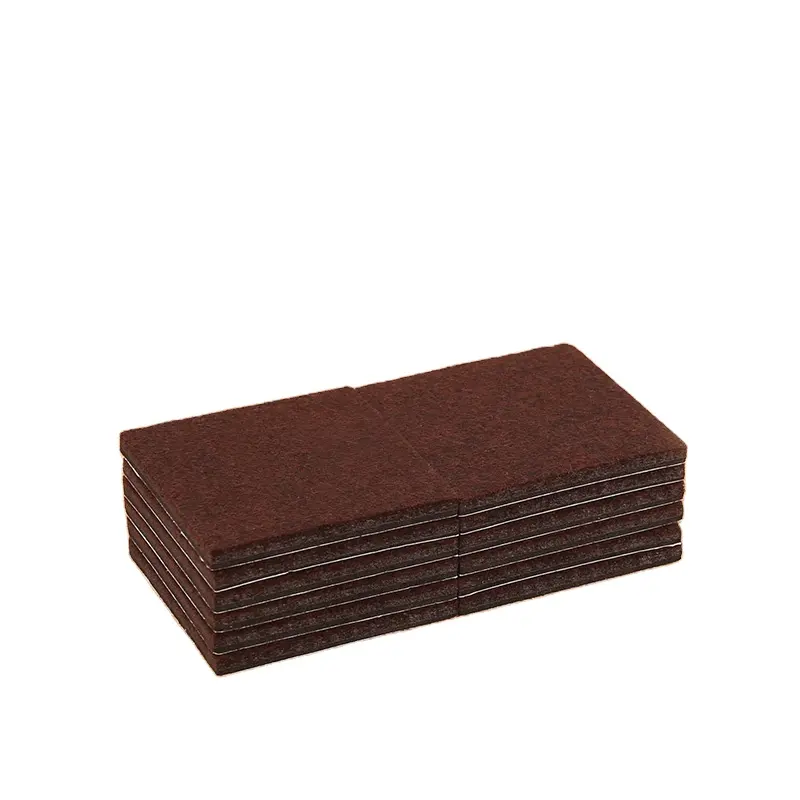
संक्षिप्त उत्तर है—हाँ, उचित रूप से चुने गए स्व-चिपकने वाले कुर्सी पैर पैड उन्हें सही ढंग से लगाने पर संगमरमर की सतहों पर खरोंचों को प्रभावी ढंग से रोक सकते हैं। हालाँकि, मुख्य बात यह समझना है कि संगमरमर की विशिष्ट विशेषताएँ क्या हैं और उचित सामग्री, मोटाई तथा चिपकने वाले गुणों वाले पैड का चयन करना है। उच्च गुणवत्ता वाले स्व-चिपकने वाले कुर्सी पैर पैड फर्नीचर के पैरों और संगमरमर के बीच एक सुरक्षात्मक अवरोध बनाते हैं, जो भार को समान रूप से वितरित करते हैं और एक चिकनी सरकने वाली सतह प्रदान करते हैं जो सीधे संपर्क को समाप्त कर देती है।
संगमरमर की सतह की सुभेद्यता को समझना
संगमरमर को विशेष सुरक्षा क्यों आवश्यक है
संगमरमर मुख्य रूप से कैल्शियम कार्बोनेट से बना होता है, जिसके कारण यह भौतिक खरोंच और रासायनिक एटिंग दोनों के प्रति संवेदनशील होता है। कठोर पत्थर की अन्य सतहों के विपरीत, संगमरमर मोह्स कठोरता स्केल पर 3 से 5 के बीच स्थित होता है, जिसके कारण यह फर्श के संपर्क में आने वाली कई सामान्य सामग्रियों की तुलना में नरम होता है। कुर्सियों के पैर, विशेष रूप से धातु या कठोर प्लास्टिक से बने पैर, संगमरमर की सतह पर घसीटे जाने पर आसानी से दृश्यमान खरोंचें उत्पन्न कर सकते हैं।
अधिकांश संगमरमर के फर्शों पर लगी पॉलिश फिनिश सुभेद्यता को एक अतिरिक्त स्तर प्रदान करती है। यह चिकनी, प्रतिबिंबित सतह खरोंचों को बनावटी (टेक्सचर्ड) फिनिश की तुलना में अधिक स्पष्ट रूप से प्रदर्शित करती है, और पॉलिश को होने वाली क्षति की मरम्मत अक्सर पेशेवर सहायता की आवश्यकता होती है। स्व-चिपकने वाले कुर्सी पैर पैड इस सुभेद्यता को दूर करते हैं, जो फर्नीचर के हार्डवेयर और संगमरमर की सतह के बीच प्रत्यक्ष संपर्क को रोकने के लिए एक अवशोषक परत बनाते हैं।
कुर्सी की गति के कारण होने वाले क्षति के प्रकार
उचित सुरक्षा के बिना कुर्सी की गति संगमरमर की सतहों को कई प्रकार की क्षति का कारण बन सकती है। सतही खरोंचें तब होती हैं जब कुर्सी के पैर फर्श पर घसीटे जाते हैं, जिससे संगमरमर के पॉलिश किए गए फिनिश पर दृश्यमान रेखाएँ बन जाती हैं। ये खरोंचें शुरू में थोड़ी छोटी लग सकती हैं, लेकिन समय के साथ जमा होती रहती हैं और एक नेटवर्क के रूप में चिह्नों का निर्माण करती हैं, जिससे संगमरमर की प्राकृतिक चमक कम हो जाती है।
अधिक गंभीर क्षति में खुदाई (गौजिंग) शामिल है, जहाँ कुर्सी के पैर संगमरमर की सतह में धंस जाते हैं और पॉलिश से परे गहरी रेखाएँ बनाते हैं। कुर्सी के पैरों को संगमरमर पर गिराए जाने या जोर से टकराए जाने से प्रभाव-उत्पन्न क्षति हो सकती है, जिससे टुकड़े या दरारें बन सकती हैं। उच्च गुणवत्ता वाले स्व-चिपकने वाले कुर्सी पैर पैड इन सभी प्रकार की क्षति को रोकते हैं, क्योंकि वे एक सुरक्षात्मक अंतरफलक बनाते हैं जो प्रभाव को कम करता है और घर्षण को समाप्त कर देता है।
स्व-चिपकने वाले कुर्सी पैर पैड कैसे काम करते हैं
सुरक्षात्मक तंत्र और डिज़ाइन
स्व-चिपकने वाले कुर्सी के पैरों के पैड फर्श संरक्षण के विभिन्न पहलुओं को संबोधित करने वाले कई सुरक्षा तंत्रों के माध्यम से कार्य करते हैं। प्राथमिक तंत्र में कुर्सी के पैरों और संगमरमर की सतहों के बीच एक भौतिक अवरोध बनाना शामिल है, जिससे खरोंच या गहरी खुरच का कारण बनने वाले सीधे संपर्क को रोका जाता है। पैड का स्वयं का सामग्री आमतौर पर संगमरमर से नरम होता है, जिससे यह सुनिश्चित होता है कि कोई भी संपर्क पैड के क्षरण का कारण बने, न कि फर्श को नुकसान पहुँचाए।
चिपकने वाली पीठ के कारण स्व-चिपकने वाले कुर्सी के पैरों के पैड सामान्य उपयोग के दौरान फर्नीचर के पैरों से सुरक्षित रूप से जुड़े रहते हैं। इससे गैर-चिपकने वाले विकल्पों के साथ होने वाले स्थानांतरण या विस्थापन को समाप्त कर दिया जाता है, जिससे समय के साथ लगातार सुरक्षा बनी रहती है। अवशोषक सामग्री और सुरक्षित संलग्नता के संयोजन से एक विश्वसनीय सुरक्षा प्रणाली बनती है जो फर्नीचर के साथ गति करती है, जबकि अपने सुरक्षात्मक गुणों को बनाए रखती है।
सुरक्षा को बढ़ाने वाले सामग्री गुण
संगमरमर की सुरक्षा के लिए सबसे प्रभावी स्व-चिपकने वाले कुर्सी के पैरों के पैड में फ़ील्ट या विशिष्ट बहुलक सामग्री का उपयोग किया जाता है, जो टिकाऊपन और कोमलता दोनों को एक साथ जोड़ती है। फ़ील्ट पैड उत्कृष्ट अवशोषण गुण प्रदान करते हैं और स्वाभाविक रूप से संगमरमर की सतह को खरोंच से बचाने में सक्षम होते हैं। फ़ील्ट की तंतु संरचना एक कोमल इंटरफ़ेस बनाती है जो संपर्क क्षेत्र में दबाव को समान रूप से वितरित करती है।
उच्च-गुणवत्ता वाले स्व-चिपकने वाले कुर्सी के पैरों के पैड में उपयोग की जाने वाली उन्नत बहुलक सामग्री टिकाऊपन में उत्कृष्टता प्रदान करती हैं, जबकि सुरक्षात्मक विशेषताओं को बनाए रखती हैं। ये सामग्रियाँ समय के साथ संपीड़न के प्रति प्रतिरोधी होती हैं, जिससे यह सुनिश्चित होता है कि भारी उपयोग के तहत भी सुरक्षा प्रभावी बनी रहे। उच्च गुणवत्ता वाले बहुलक पैड की चिकनी सतह फर्नीचर को आसानी से सरकाने में भी सहायता करती है, बिना ऐसा घर्षण उत्पन्न किए जो संगमरमर को क्षति पहुँचा सके।
संगमरमर सुरक्षा के लिए प्रभावकारिता के कारक
पैड की मोटाई और घनत्व पर विचार
स्व-चिपकने वाले कुर्सी के पैरों के पैड की मोटाई सीधे उनकी संगमरमर की सतहों पर प्रभावशीलता को प्रभावित करती है। आमतौर पर 3 मिमी से 6 मिमी की सीमा में होने वाले मोटे पैड, पतले विकल्पों की तुलना में बेहतर झटका अवशोषण प्रदान करते हैं और भार को अधिक प्रभावी ढंग से वितरित करते हैं। यह मोटाई नरम संगमरमर के प्रकारों में धंसाव बनने से रोकने वाले दबाव बिंदुओं को रोकने में सहायता करती है।
घनत्व भी सुरक्षा प्रभावशीलता में एक महत्वपूर्ण भूमिका निभाता है। उच्च-घनत्व वाले स्व-चिपकने वाले कुर्सी के पैरों के पैड भार के तहत संपीड़न का प्रतिरोध करते हैं और लंबे समय तक अपनी सुरक्षात्मक मोटाई बनाए रखते हैं। कम-घनत्व वाले पैड भार के तहत काफी संपीड़ित हो सकते हैं, जिससे उनकी प्रभावशीलता कम हो जाती है और भारी उपयोग के दौरान कुर्सी के पैरों के संगमरमर की सतहों के संपर्क में आने की संभावना बढ़ जाती है।
चिपकावट और रोबस्टता
स्व-चिपकने वाले कुर्सी के पैर पैड के चिपकने वाले घटक को नियमित कुर्सी के संचलन के दौरान पैड को संलग्न रखने के लिए पर्याप्त शक्ति प्रदान करनी चाहिए, जबकि फर्नीचर के फिनिश को क्षतिग्रस्त होने से बचाया जाना चाहिए। उच्च गुणवत्ता वाले चिपकने वाले पदार्थ धातु, लकड़ी और प्लास्टिक सहित विभिन्न फर्नीचर सामग्रियों के साथ मजबूत बंधन बनाते हैं, जिससे पैड अपने सेवा जीवन के दौरान स्थिति में बने रहते हैं।
पैड सामग्री और चिपकने वाले पदार्थ दोनों की टिकाऊपन दीर्घकालिक प्रभावशीलता को निर्धारित करती है। वे स्व-चिपकने वाले कुर्सी के पैर पैड जो अपनी चिपकने की क्षमता और संरचनात्मक अखंडता को बनाए रखते हैं, धीमे अपघटन को रोकते हैं जो संगमरमर की सुरक्षा को समाप्त कर सकता है। नियमित निरीक्षण सुनिश्चित करता है कि घिसे हुए या अलग हुए पैड को उनके विफल होने से पहले प्रतिस्थापित कर दिया जाए, ताकि संगमरमर की सतहों की सुरक्षा बनी रहे।
इंस्टॉलेशन और मेंटेनेंस की सर्वश्रेष्ठ अभ्यास
उचित अनुप्रयोग तकनीकें
स्व-चिपकने वाले कुर्सी पैर पैड के सफल इंस्टॉलेशन की शुरुआत उचित सतह तैयारी के साथ होती है। कुर्सी के पैरों को गंदगी, तेल या मौजूदा चिपकने वाले अवशेषों को हटाने के लिए ध्यानपूर्वक साफ किया जाना चाहिए, जो उचित बंधन को रोक सकते हैं। एक साफ और शुष्क सतह अधिकतम चिपकने वाले संपर्क और इंस्टॉलेशन की दीर्घायु सुनिश्चित करती है।
स्व-चिपकने वाले कुर्सी पैर पैड की स्थिति निर्धारित करते समय कुर्सी के पैरों की ज्यामिति और संपर्क पैटर्न पर ध्यान देना आवश्यक है। पैड को कुर्सी के पैरों के पूरे संपर्क क्षेत्र को कवर करना चाहिए, जहाँ संभव हो थोड़ा ओवरलैप करना चाहिए ताकि पूर्ण सुरक्षा सुनिश्चित हो सके। झुके हुए या आकृति वाले कुर्सी के पैरों के लिए, पूर्ण कवरेज बनाए रखने और किनारों के उठने को रोकने के लिए पैड को उनके आकार के अनुरूप काटना आवश्यक हो सकता है।
निगरानी और प्रतिस्थापन अनुसूची
स्व-चिपकने वाले कुर्सी पैर पैड का नियमित निरीक्षण मार्बल सुरक्षा को लगातार बनाए रखने में सहायता करता है। दृश्य निरीक्षण में पहनने, संपीड़न या चिपकने वाले पदार्थ के विफल होने के लक्छन देखे जाने चाहिए, जो प्रभावकारिता को समाप्त कर सकते हैं। जिन पैड में उल्लेखनीय पहनन या अलग होने के लक्छन दिखाई दें, उन्हें तुरंत प्रतिस्थापित कर देना चाहिए ताकि संभावित फर्श क्षति को रोका जा सके।
प्रतिस्थापन की आवृत्ति उपयोग की तीव्रता और पैड की गुणवत्ता पर निर्भर करती है, लेकिन अधिकांश स्व-चिपकने वाले कुर्सी पैर पैड्स को व्यावसायिक सेटिंग्स में प्रत्येक 6–12 महीने के बाद प्रतिस्थापित करने की आवश्यकता होती है। अधिक यातायात वाले क्षेत्रों में अधिक बार प्रतिस्थापन की आवश्यकता हो सकती है, जबकि आवासीय अनुप्रयोगों में प्रतिस्थापन अंतराल आमतौर पर लंबा होता है। प्रतिस्थापन के एक नियमित कार्यक्रम को बनाए रखने से मूल्यवान संगमरमर की सतहों की निरंतर सुरक्षा सुनिश्चित होती है।
अक्सर पूछे जाने वाले प्रश्न
क्या स्व-चिपकने वाले कुर्सी पैर पैड्स सभी प्रकार के संगमरमर पर काम करते हैं?
स्व-चिपकने वाले कुर्सी पैर पैड्स सभी प्रकार के संगमरमर, जिनमें पॉलिश्ड, होन्ड और टम्बल्ड फिनिश शामिल हैं, पर प्रभावी हैं। हालाँकि, कैरारा जैसे नरम संगमरमर के प्रकारों के लिए अधिकतम सुरक्षा के लिए मोटे पैड की आवश्यकता हो सकती है, जबकि एम्पेराडोर जैसे कठोर संगमरमर के लिए मानक मोटाई के विकल्प पर्याप्त रूप से कार्य कर सकते हैं। मुख्य बात यह है कि अपने विशिष्ट संगमरमर के प्रकार के लिए उपयुक्त पैड घनत्व और सामग्री का चयन करना।
संगमरमर के फर्शों पर स्व-चिपकने वाले कुर्सी पैर पैड्स का कितना समय तक चलना संभव है?
गुणवत्तापूर्ण स्व-चिपकने वाले कुर्सी के पैरों के पैड आमतौर पर सामान्य उपयोग की स्थितियों में 6-12 महीने तक चलते हैं। भारी वाणिज्यिक उपयोग के लिए प्रत्येक 3-6 महीने में प्रतिस्थापन की आवश्यकता हो सकती है, जबकि आवासीय अनुप्रयोगों में यह अवधि 12-18 महीने तक बढ़ सकती है। दृश्यमान क्षरण या चिपकने की कमी के आधार पर नियमित निरीक्षण से यह निर्धारित करने में सहायता मिलती है कि कब प्रतिस्थापन की आवश्यकता है।
क्या स्व-चिपकने वाले कुर्सी के पैरों के पैड फर्नीचर के पैरों पर अवशेष छोड़ सकते हैं?
उच्च-गुणवत्ता वाले स्व-चिपकने वाले कुर्सी के पैरों के पैड में ऐसे चिपकने वाले पदार्थ का उपयोग किया जाता है जो बिना कोई अवशेष छोड़े साफ़ रूप से हटाए जा सकते हैं। हालाँकि, लंबे समय तक उपयोग करने या गर्मी के संपर्क में आने से हटाना कठिन हो सकता है। किसी भी शेष चिपकने वाले पदार्थ को फर्नीचर के फिनिश को नुकसान पहुँचाए बिना हटाने के लिए हल्के विलायक या चिपकने वाले पदार्थ हटाने वाले उत्पादों का उपयोग किया जा सकता है।
क्या मार्बल संरक्षण के लिए मोटे स्व-चिपकने वाले कुर्सी के पैरों के पैड बेहतर हैं?
मोटे स्व-चिपकने वाले कुर्सी के पैरों के पैड आमतौर पर उत्कृष्ट झटका अवशोषण और दबाव वितरण प्रदान करके संगमरमर की सतहों की बेहतर सुरक्षा करते हैं। अधिकांश अनुप्रयोगों के लिए 5-6 मिमी मोटाई के पैड आदर्श सुरक्षा प्रदान करते हैं, हालाँकि अत्यधिक मोटे पैड फर्नीचर की स्थिरता को प्रभावित कर सकते हैं। सर्वोत्तम परिणामों के लिए सुरक्षा की आवश्यकताओं और व्यावहारिक उपयोगिता के बीच संतुलन बनाए रखें।


