
 EN
EN
 AR
AR
 BG
BG
 HR
HR
 CS
CS
 DA
DA
 NL
NL
 FI
FI
 FR
FR
 DE
DE
 EL
EL
 HI
HI
 IT
IT
 JA
JA
 KO
KO
 NO
NO
 PL
PL
 PT
PT
 RO
RO
 RU
RU
 ES
ES
 SV
SV
 CA
CA
 TL
TL
 IW
IW
 ID
ID
 LT
LT
 SR
SR
 SK
SK
 SL
SL
 UK
UK
 VI
VI
 HU
HU
 TR
TR
 AF
AF
 MS
MS
 GA
GA
 LA
LA
 MN
MN

Mogu li stolične podloge za noge stvarno zaustaviti ogrebotine podova od tvrdog drveta za više od pet godina?
Podovi od tvrdog drveta predstavljaju značajnu investiciju u bilo koju industriju. dom u nekim zemljama, kao što su Njemačka, Njemačka, Njemačka, Njemačka, Njemačka, Njemačka, Njemačka, Njemačka, Njemačka, Njemačka, Njemačka, Njemačka, Njemačka, Njemačka, Njemačka, Njemačka, Njemačka, Njemačka, Njemačka, Njemačka, Njemačka, Njemačka, Njemačka, Njema Pitanje da li podloge za stolice mogu spriječiti ogrebotine pet godina ili dulje nije samo pitanje dugovječnosti proizvoda, već i razumijevanja znanosti o materijalima, obrazaca upotrebe, čimbenika okoliša i realnih očekivanja za zaštitna pribora za namještaj. Iskreni odgovor je da, visokokvalitetne podloge za stolice mogu osigurati učinkovitu zaštitu od ogrebotina pet ili više godina, ali taj ishod ovisi u velikoj mjeri o sastavu materijala podloge, kvaliteti ugradnje, učestalosti korištenja stolice i praksi održavanja. Ne stvaraju se svi podloge za stolice jednaki, a razlika između zaštitnih sredstava od silikona ili filca i jeftinijih alternativa postaje očita tijekom dužeg vremenskog razdoblja.
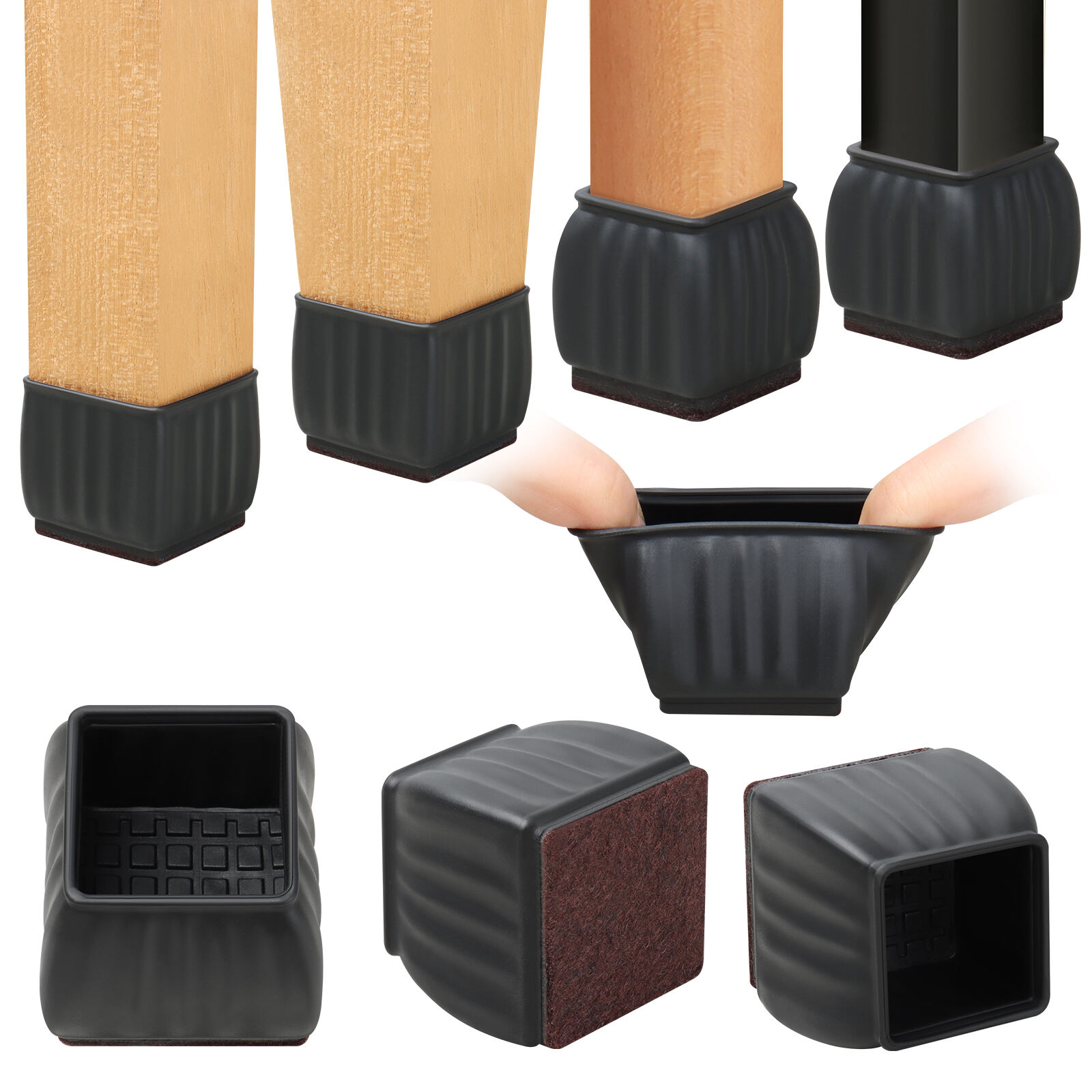
U skladu s člankom 21. stavkom 1. točkom (a) Uredbe (EZ) br. 765/2008 Komisija je odlučila o utvrđivanju praga od pet godina za zaštitne priborke u stambenim i poslovnim uvjetima. Tijekom tog razdoblja stolice doživljavaju tisuće pokreta sklizanje, nagibanje, ponovno pozicioniranje svaka stvara točke trenja koje bi potencijalno mogle oštetiti nezaštićeni pod. Kvalitativne podloge za stolice funkcioniraju kao žrtvene barijere koje apsorbiraju udarne sile i raspoređuju težinu na veće površine, temeljno mijenjajući način na koji noge namještaja međusobno djeluju s površinama tvrdog drveta. Materijali koji se koriste u ovim zaštitnim uređajima značajno su se razvili, s modernim silikonskim i gustima kompozicijama koje nude bolju izdržljivost u usporedbi s starijim opcijama gume ili tankih tkanina. Da bi se razjasnilo što omogućuje određenim podloga za stolice da zadrže zaštitni integritet tijekom pola desetljeća, potrebno je ispitati specifične mehanizme otpornosti na habanje i uvjete koji ubrzavaju ili usporavaju razgradnju.
Sastav materijala i dugovječnost
Stolični podloge za noge na bazi silikona i produžena trajnost
U skladu s člankom 3. stavkom 1. stavkom 2. Medicinski kvalitetni silikonski formulacije održavaju elastičnost u temperaturnim rasponima od minus 20 do 80 stupnjeva Celzijusa, što znači da se ovi zaštitnici neće tvrditi u hladnim uvjetima ili previše omekšati u toplim uvjetima. U skladu s člankom 3. stavkom 2. točkom (a) ovog članka, za sve proizvode koji se upotrebljavaju u proizvodnji električne energije, za koje se primjenjuje točka (b) ovog članka, za koje se primjenjuje točka (c) ovog članka, za koje se primjenjuje točka (c) ovog članka, za koje se Neporozna površina kvalitetnog silikona sprečava apsorpciju vlage, eliminišući otekline i propadanje koje pogađaju manje kvalitetne materijale kada su izloženi izlivanju ili fluktuacijama vlage.
Molekularna struktura silikona stvara prirodnu otpornost na UV razgradnju, što postaje kritično za namještaj u blizini prozora ili u sunčano osvijetljenim područjima gdje mnoge zaštitne podloge žute i postaju krhke u roku od osamnaest mjeseci. Premium silikonske stolice podloge za noge zadržavaju svoje zaštitne zaštitne svojstva jer materijal se ne oksidira brzo kao prirodne gumene spojeve. Laboratorijski testovi ubrzanog starenja koje provode proizvođači pribora za namještaj pokazuju da visoko kvalitetan silikon zadržava više od 90% svoje izvorne otpornosti na kompresiju nakon pet tisuća sati simulirane uporabe, što znači otprilike pet do sedam godina tipične kućne primjene. Ova otpornost na kompresiju sprečava da se podloga ravna i da izgubi zaštitni prostor između stolice i podne površine.
Sastav pelt i otpornost prirodnih vlakana
Guste pelene od vune predstavljaju tradicionalni pristup zaštiti podova, a kada su pravilno proizvedene, ove opcije prirodnih vlakana zaista mogu osigurati više od pet godina zaštite od ogrebotina. Ključna razlika leži u gustoći pelena, mjerena u uncama po kvadratnom metru, s vrhunskim zaštitnim pelena u rasponu od dvanaest do šesnaest unci u usporedbi s proračunskim opcijama od četiri do šest unci. Veća gustoća se direktno prevodi u dugovječnost jer komprimirana vlakna vune stvaraju deblju barijeru s više materijala za žrtvovanje prije nego što se zaštitni sloj iskoči i izloži donju nogu stolice.
Kvalitetne podloge za stolice podvrgnu se mehaničkom procesu iglanja koji prepliće vlakna u više smjerova, stvarajući strukturu podloge koja se odupire delaminiranju i trljaju krajeve. Ova se metoda konstrukcije temeljno razlikuje od jednostavnih felta vezanih lepilnim spojevima koji se nakon ponovljenih ciklusa kompresije razdvajaju na slojeve. Prirodna vlakna vune imaju inherentni sadržaj lanolina koji pruža blago uljezivanje, smanjujući koeficijent trenja između podloge i površine tvrdog drveta tijekom kretanja stolice. Ovaj smanjeni tren ne samo da štiti podove nego i produžava životni vijek same plosnice smanjujući otpornost na abrazivne materijale. U skladu s člankom 3. stavkom 2. stavkom 3. ovog članka, zaštitni materijali iz pilule mogu se koristiti za zaštitu od klimatskih promjena.
Sistem hibridnih materijala za maksimalnu zaštitu
Najtrajniji podloge za stolice često kombinuju više slojeva materijala kako bi iskoristili komplementarne snage i nadoknadili pojedinačne slabosti. Uobičajena konfiguracija visokih performansi ima silikonski osnovni sloj za otpornost na hvatanje i vlagu, srednji omotački sloj pjene zatvorenih stanica za apsorpciju udaraca i gornji sloj od plišata za glatko klizanje i kontakt s tvrdim drvetom. Ova trostrana arhitektura istodobno rješava različite aspekte zaštite podova, dok se nošenje raspoređuje na više površina umjesto da se stres koncentrira na jedan materijal.
Silikon baza u hibridnim sustavima sprečava cijeli zaštitnik da se iskoči iz položaja tijekom korištenja stolice, što je primarni način neuspjeha za podloge od jednog materijala koji se na kraju pomjeraju i izlažu gole noge stolice podu. Srednji sloj pjene apsorbira snage vertikalnog udara kada se stolice naglo pomaknu ili kada korisnici sjede teško, što sprečava prenos udara koji može upropasti tvrdo drvo čak i kroz zaštitnu podlogu. Gornji sloj od pletena upravlja horizontalnim trenjem, te se postupno nosi tijekom godina, umjesto da se katastrofalno pokvari. Kada jedan sloj u ovom sustavu počne da se iscrpljuje, osnovni slojevi nastavljaju pružiti zaštitu, produžavajući efektivni životni vijek daleko iznad onoga što stolične podloge od jednog materijala mogu postići. U industriji se provjerava izdržljivost, a to pokazuje da pravilno dizajnirani hibridni zaštitni materijali mogu osigurati sedam do deset godina učinkovite upotrebe u stambenim uvjetima s umjerenom upotrebom.
Kvalitet instalacije i dugotrajnost lepila
Odbor ljepila i trajanje vezivanja
Čak i najkvalitetnije podloge za stolice prijevremeno propadaju ako sistem lepila ne može održati sigurnu vezanost nekoliko godina. Sklon je povezan s različitim materijalima stolice drvo, metal, plastika, uz otpornost na sile šišanja od kretanja stolice i stresa okoliša od promjena temperature i vlažnosti. U skladu s člankom 3. stavkom 1. točkom (a) Uredbe (EU) br. 528/2012 i člankom 3. stavkom 3. točkom (b) Uredbe (EU) br. 528/2012 i člankom 3. točkom (c) Uredbe (EU) br. 528/2012 i člankom 3. točkom (c) Uredbe (EU) br. 5
Priprema površine prije ugradnje podloga izravno određuje hoće li lepilne veze trajati pet godina ili će propasti u roku od nekoliko mjeseci. Površine stolice moraju biti potpuno čiste od ulja, voska, prašine i starih ostataka lepila za optimalno vezanje. Čišćenje nogu izopropilnim alkoholom i omogućavanje potpune isparivanja prije nanošenja podloga za stolice povećava dugotrajnost vezivanja za otprilike četrdeset posto prema specifikacijama proizvođača lepila. Temperatura tijekom ugradnje također je važnaprimenjanje podloga u okruženjima ispod petnaest stupnjeva Celzijusa sprečava pravilni protok i vlaženje lepila, što rezultira slabim početnim vezama koje rano propadaju. Prihvaćanje 24 sata vremena za čvrstoću prije nego što se novoinstalacije upotrijebe na stolici omogućuje lepljivcima da ostvare maksimalnu čvrstoću vezivanja, što značajno produžava životni vijek.
Alternativni mehanički priključci
Za situacije koje zahtijevaju maksimalnu dugovječnost ili gdje se problematično pojavljuje lepljivo pričvršćivanje, mehanički sustavi za pričvršćivanje pružaju superiornu zadržavanje. U skladu s člankom 3. stavkom 1. točkom (a) Uredbe (EZ) br. 765/2008 i člankom 3. točkom (b) Uredbe (EZ) br. 765/2008 i člankom 4. točkom (c) Uredbe (EZ) br. 765/2008 i člankom 4. točkom (c) Uredbe (EZ) br. 765/2008 i Male mesingove ili nehrđajuće čelične čepove čuvaju perimetar stolice od drvenih stolica, stvarajući mehaničku vezu koja traje cijeli životni vijek namještaja. U slučaju da je to potrebno za postavljanje, potrebno je upotrijebiti i druge metode za postavljanje.
Stolične podloge za noge u stilu čepova koje se klize preko kraja stolice i čuvaju unutarnjim trenjem ili postavljenim vijcima predstavljaju još jedan mehanički pristup koji može prelaziti petogodišnji životni vijek. Ovi zaštitnici okružuju kraj stolice umjesto da se drže njene površine, raspoređujući snage zadržavanja na veće kontaktne površine i uklanjajući ovisnost o kemiji lepila. U skladu s člankom 3. stavkom 1. stavkom 2. točkom (a) Uredbe (EZ) br. 765/2008 Europska komisija je odlučila o uvođenju mjera za zaštitu od opasnosti od povreda u skladu s člankom 2. stavkom 2. točkom (a) Uredbe (EZ) br. 765/2008. Održavanje je minimalno povremena ponovna stiska postavljenih vijaka i vizualna inspekcija za isprobavanje nošenjašto čini ove sustave praktičnim za postizanje i prekoračenje petogodišnje vrijednosti zaštite.
U skladu s člankom 4. stavkom 2.
Redovite kontrole produžavaju životni vijek stoličnih podloga tako što se otkrivaju i rješavaju manji problemi s pričvršćivanjem prije nego što se pretvore u potpuni gubitak podloga. Vidni pregled svih podloga za namještaj traje samo nekoliko minuta, ali može uhvatiti podizanje rubova, djelomično odvučenost ili kompresijsku oporu, dok korektivne mjere ostaju jednostavne. Ako se na pregled otkrije da se rub počinje dići, odmah se ponovno priključi dodatnim kontaktnim cementom ili cijanokrilatom kako bi se spriječilo postupno lušenje koje bi inače zahtijevalo potpunu zamjenu podloge.
Promjene okoliša, posebno sezonske fluktuacije vlažnosti, stresne lepilne veze dok se materijali šire i skupljaju različitim brzinama. U regijama s izraženim godišnjim promjenama, planiranje inspekcija ploča tijekom proljetnih i jesenskih prijelaza otkriva probleme s vezama na vrijeme. U slučaju da je to potrebno, potrebno je utvrditi razinu i vrijeme prijenosa. U skladu s člankom 4. stavkom 1. stavkom 2. točkom (a) Uredbe (EZ) br. 765/2008 i člankom 4. stavkom 2. točkom (b) Uredbe (EZ) br. 765/2008 i člankom 4. točkom (c) Uredbe (EZ) br. 765/2008 i člankom 4. točkom (c) Uredbe (EZ)
Uzorci korištenja i okolišni faktori
Četvrtina i intenzitet kretanja stolice
U skladu s člankom 3. stavkom 2. točkom (a) Uredbe (EZ) br. 1907/2006, u skladu s člankom 3. stavkom 3. točkom (b) Uredbe (EZ) br. 1907/2006, u skladu s člankom 4. točkom (c) Uredbe (EZ) br. 1907/2006, u skladu s člankom 4. točkom (c) Uredbe (EZ) Stolica za blagovaonicu koja se koristi dva puta dnevno za obroke godišnje se koristi otprilike sedam stotina i trideset puta, što je ukupno trideset i šest stotina i pedeset pokreta tijekom pet godina. Svaki ciklus uključuje povlačenje, sjedenje, manje pomicanje položaja i guranje natrag u umjerenom obrazu nošenja koji kvalitetni zaštitnici udobno rješavaju. Za razliku od stola za uredski stol koji prolazi kroz dvadeset do trideset pokreta za radni dan, akumulirajući preko trideset sedam tisuća ciklusa pokreta tijekom pet godina poslovne uporabe, što predstavlja deset puta veći stres od nošenja u stambenim kuhinjskim aplikacijama.
Veličina sile koja se primjenjuje tijekom kretanja stolice značajno utječe na stope nošenja zaštitnih podloga izvan jednostavne frekvencije pokreta. Sjedišta koja se snažno vuče po podu stvaraju znatno više abrazivne habanje nego stolice koje se blago dižu tijekom preseljenja. U skladu s člankom 3. stavkom 2. točkom (a) ovog članka, korisnici mogu koristiti stolove za podnožje za noge. U okruženjima u kojima korisnici imaju navike pokreta koje su svjesne nameštaja dizanje umjesto vučenja, izbjegavanje nagibanja stolice koja koncentriše težinu na jednostrane rubove podloga čak i zaštitnici umjerene kvalitete redovito postižu petogodišnju dugovječnost. S druge strane, u okruženjima s manje pažljivim rukovanjem namještajem, tople podloge za stolice mogu pokazati značajnu habanje u roku od tri godine unatoč superiornoj kvaliteti materijala.
Prikladnost površine podova i interakcije s nošenjem
Karakteristike podova od tvrdog drveta utječu na dugovječnost podloga stolice kroz nekoliko mehaničkih interakcija koje nisu odmah očite. Tipi obrada podova stvaraju različite koeficijente trenja koji utječu na stopu opadanja podlogavisokoglakane poliuretanske obrade imaju glatke površine koje stvaraju manje abrazije od prodirajućih uljnih obrada s većom teksturom. Paradoksalno, iznimno klizavi površe podova može ubrzati nošenje stolica podnožja stolice omogućavajući češće i duže udaljenost stolice klizi tijekom uporabe, povećavajući ukupnu udaljenost pokreta i kumulativno nošenje iako svaki pokret stvara manje trenutačno trenjanje.
U skladu s člankom 3. stavkom 2. točkom (a) ovog članka, za proizvodnju drveta za proizvodnju drveta za proizvodnju drveta za proizvodnju drveta za proizvodnju drveta za proizvodnju drveta za proizvodnju drveta za proizvodnju drveta za proizvodnju drveta za proizvodnju drveta za proizvodnju drveta za proizvodnju drveta za Meka drva poput borova ili jelke su podložnija ugriza zbog udarca, što čini otpornost stolica na ogrebotine važnijom od otpornosti na abraziju. Tvrđe vrste poput hrasta, javorca ili egzotičnih tvrdih drveta otporne su na izbočine, ali stvaraju više abrazivne površine koje ubrzavaju habanje podloga kroz trenje. Premiumni podloge za stolice dizajnirani za dugotrajnu zaštitu obično se optimizuju za tvrđe vrste drveta jer ti podovi predstavljaju visoko vrijedne instalacije gdje vlasnici daju prioritet zaštiti podova i dugotrajnosti zaštitnika. U skladu s člankom 3. stavkom 2. točkom (a) Uredbe (EZ) br. 765/2008 i člankom 4. stavkom (b) Uredbe (EZ) br. 765/2008 i člankom 4. stavkom (b) Uredbe (EZ) br. 765/2008 i člankom 4. stavkom (c) Uredbe (EZ) br. 765/2008 i
Klimatski i okolišni stresni čimbenici
Ustanovi unutar kuće iznenađujuće utječu na trajnost i zaštitnu učinkovitost podloga stolice tijekom višegodišnjeg trajanja. Fluktuacije relativne vlažnosti uzrokuju dimenzionalne promjene i u drvenim stolicama i u podovima od tvrdog drveta, stvarajući mikro pokrete na interfejsu podloge-noge koji polako naprijed utječu na lepilne veze. Okruženje koje održava stabilnu vlažnost između trideset pet i pedeset pet posto minimizira ove izmjene dimenzija, produžavajući dugovječnost pričvršćivanja podloga u usporedbi s prostorima s nekontrolisanim promjenama vlažnosti između dvadeset i sedamdeset posto tijekom godišnjih doba.
Ekstremne temperature utječu na različite materijale podloga. Silikon stolični podloge za noge održavaju konzistentna svojstva u tipičnim temperaturnim rasponima u zatvorenom prostoru, ali alternativne prirodne gume postaju krutog i gube efikasnost omotanja ispod deset stupnjeva Celzijusa, što je važno za sezonske domove ili neograne prostorije. Zaštitnici od filca zapravo imaju nešto bolji učinak u hladnijim, sušnim uvjetima gdje oporavak kompresije vlakana ostaje optimalan. Visoke temperature iznad 30 stupnjeva Celsia mogu omekšati neke lepilne materijale, ubrzavajući puzanje i propadanje vezivanja pod trajnom težinom stolice. Za kritične primjene koje zahtijevaju jamstvo petogodišnje učinkovitosti, klimatsko uređenjeodržavanje umjerenih temperatura i stabilne vlažnostipotvrđuje se jednako važnim kao i odabir vrhunskih zaštitnih sredstava proizvodi - Što? Prostoriji s klimatizacijom prirodno postižu duži životni vijek stolice, često produžavajući učinkovitu zaštitu preko sedam godina s proizvodima namijenjenim za kućnu upotrebu u trajanju od pet godina.
U skladu s člankom 21. stavkom 1.
Kriteriji za ocjenjivanje vizualne opuštanosti
U skladu s člankom 3. stavkom 2. točkom (a) Uredbe (EZ) br. 765/2008 i člankom 4. točkom (b) Uredbe (EZ) br. 765/2008 i člankom 4. točkom (c) Uredbe (EZ) br. 765/2008 i člankom 4. točkom (c) Uredbe (EZ) br. 765/2008 i Vidno provjeravanje debljine podloge pruža najprirodnije procjenu kvalitete zaštitnih materijala koji počinju s 3 do 6 milimetara zaštitnog materijala između stolice i poda. Kada se to debljina smanji na jedan milimetar ili manje zbog nošenja, zamjena postaje nužna čak i ako je podloga ostaje pričvršćena. Mjerenje preostale debljine jednostavnim čepovima u kvartalnim intervalima omogućuje predviđanje kada će zamjena postati potrebna, obično kako se približava petogodišnja oznaka za aplikacije umjerene uporabe.
U slučaju da se ne provede procjena stanja rubova, otkrivaju se problemi s vezanjem i strukturnim integritetom prije nego što se dogodi potpuni kvar. Zdrav stolni podložak za noge održava čiste, jednake rubove potpuno vezane za stolične noge bez vidljivih praznina ili podizanja. Krajevi počinju se savijati prema gore, trljati ili odvojiti od površine noge, što signalizira napredovanje pogoršanja koje ugrožava zaštitnu učinkovitost. U slučaju da se ne radi o uzdizanju rubova, to se često događa u kratkom vremenu. Uzorci promjena boje također pružaju korisne informacijeuniformno postupno tamnjenje na cijeloj površini podloge ukazuje na normalno nošenje, dok izolirane tamne mrlje ili pruge sugeriraju koncentrirane zone nošenja koje mogu ukazivati na probleme s poravnanjem stolice ili neravnomjerno podno koje zahti
U skladu s člankom 6. stavkom 2.
Osim vizualne procjene, funkcionalno ispitivanje pruža objektivne podatke o tome da li podloge za stolice i dalje pružaju odgovarajuću zaštitu podova kako starnu. Test uzdizanja uključuje lagano podizanje stolice i puštanje da padne na pod s visine od otprilike dva centimetra. Novi ili zdravi podloge za stolice za stopala trebali bi proizvesti blagi, umanjeni zvuk dok materijal za omotanje apsorbira udarac. Ako se testom proizvodi snažan zvuk klikovanja ili udaraca, zaštitni omotač je stisnut do nivoa koji je izvan njegove učinkovitosti, čak i ako ostaje vidljiv materijal za podloge. Ako je to moguće, mora se upotrijebiti i drugi mehanizmi za mjerenje.
U slučaju da se ne primjenjuje presjek, ispitni materijal se može upotrijebiti za ispitivanje. Pokušaj da se stolica sa težinom klizi po podu zahtijeva umjerenu, konstantnu silu tijekom cijelog pokreta. Ako se stolica iznenada oslobodi i slobodno klizi nakon početnog otpora, površina podloge se glatko ili stakleno nosi, gubeći svoje svojstva kontrolirane trenja. Iako podloga može i dalje spriječiti ogrebotine tijekom normalne uporabe, gubitak otpornosti na klizište stvara sigurnosne probleme i ukazuje na bliže se kraj uporabe. S druge strane, ako je za pokret stolice potrebna pretjerana sila i onda se trese naprijed kao da se palica klizi, podložka je vjerojatno nagomilala ostatke podne obloge ili ugrađen grumen, što zahtijeva čišćenje umjesto zamjene. U slučaju da je to potrebno, provjera se provodi u skladu s člankom 6. stavkom 2.
Kontrola stanja podova
Najbolja mjera učinkovitosti podloga za stolice uključuje ispitivanje površina podnih podova od tvrdog drveta koje štite. Mjesečno provjeravanje podna podnožja neposredno ispod stolica koje se često miču otkriva je li zaštita i dalje adekvatna. Ako je dovoljno svjetla u nakrivljenim kutovima, to će pomoći da se uoče nedostatci na površini koji bi mogli proći nezapaženi u normalnom rasvjetu prostorije. Novi fini ogrebotine u obrazac nošenja odgovarajući stolice noge položaje pokazuju da su zaštitnici su nosili kroz ili odvojena, zahtijevaju hitnu zamjenu bez obzira na izgled pad.
U skladu s člankom 3. stavkom 2. točkom (a) Uredbe (EZ) br. 765/2008 i člankom 3. točkom (b) Uredbe (EZ) br. 765/2008 i člankom 4. točkom (c) Uredbe (EZ) br. 765/2008 i člankom 4. točkom (c) Uredbe (EZ) br. 765/2008 i Fotografija podnih dijelova pod nogama stolice u visokom rezoluciji pod stalnim kutovima i svjetlom stvara referentnu dokumentaciju. Snimke godišnje usporedbe otkrivaju bilo kakvu degradaciju poda koja se dogodila unatoč zaštitnim mjerama, što pomaže u procjeni da li postojeći zaštitni proizvodi pružaju odgovarajuće performanse ili zahtijevaju nadogradnju na robusnija rješenja. Ovaj pristup dokumentacije pokazao se posebno korisnim za uređaje od tvrdog drveta visoke vrijednosti gdje je sprečavanje štete opravdano pažljivim praćenjem. Dok na fotografijama s pet godina usporedbe ne pokazuje se primjetna degradacija podova, podloge za stolice su nesumnjivo uspjeli u svojoj zaštitnoj misiji, potvrđujući njihovu dugoročnu učinkovitost.
Maksimiziranje trajanja stolica
Ispравni postupci instalacije
Trajanje trajanja stolica za stolice od pet ili više godina počinje pažljivom instalacijom prema specifikacijama proizvođača. Priprema površine čini oko 50 posto dugoročnog uspjeha lepila, što čini temeljno čišćenje nepredstavljivim. Za početak se prašinom suho krpe, a zatim isopropilnim alkoholom briše krpe bez pluća, a zatim se nakon pet do deset minuta dopušta potpuno ispiranje rastvarača prije kontakta s lepljivim materijalom. Ovaj proces u tri koraka uklanja ulja iz rukovanja, ostatke poliranja namještaja i mikroskopske prašine koje bi inače ugrozile stvaranje vezivanja.
Ustanovi okoliša tijekom instalacije zaslužuju jednaku pozornost pripremanju površine. Idealna instalacija se odvija na sobnoj temperaturi između dvadeset i dvadeset i pet stupnjeva Celzijusa s relativnom vlažnošću između četrdeset i šezdeset posto. Ti uvjeti optimiziraju svojstva protoka lepila i početnu pripremu, istodobno sprečavajući smetnje vlage u formiranju vezivanja. Primjenom čvrstog, ravnomjernog pritiska na cijeloj površini podloge 30 sekundi nakon postavljanja maksimalno se povećava početni kontakt i vlaženje lepila. Mnogo premije jastučiće za noge stolica u svojim uputstvima uključuju posebne preporuke za primjenu pritiska, a neki predlažu korištenje valjaka ili primjenu težine u prvih dvadeset četiri sata kako bi se postigla maksimalna čvrstoća vezivanja za dugotrajnu izdržljivost.
Održavanje i prakse čišćenja
Redovito održavanje produžava životni vijek stolice tako što sprečava prijevremeno propadanje zbog nakupljenih onečišćujućih tvari. Čišćenje svakih tri mjeseca uklanja ugrađenu šljunčinu, ostatke podnog obrada i druge čestice koje ubrzavaju habanje. Za zaštitne materijale od plišata, nežno usisavanje pomoću četkice uklanja otpadne ostatke bez oštećenja vlakana. Silikon stolice podloge za noge toleriraju agresivnije čišćenje. brisanje vlažnim krpom uklanja većinu kontaminacije, dok tvrdoglavi ostatci reagiraju na blage rastvore deterdženta, nakon čega slijedi temeljito ispiranje i sušenje.
Izbjegavanje uobičajenih grešaka pri čišćenju spriječava nenamjerno oštećenje zaštitnih podloga. Oštri rastvarači, otpušnici i čvrste četkice mogu razgraditi materijale za podloge ili narušiti lepljive veze čak i kada se čini da se dobro čiste. Prekomjerna vlažnost tijekom čišćenja, osobito s zaštitnim materijalima od piluša, uzrokuje otekline i kompresiju vlakana, što smanjuje debljinu i zaštitnu učinkovitost. Optimalni pristup čišćenju uključuje minimalnu vlažnost, blage mehaničke aktivnosti i potpuno sušenje prije vraćanja stolica u rad. Primjena ovih postupaka pažljivog održavanja obično produžava životni vijek za petnaest do dvadeset pet posto više nego što je postignuto zanemarenih zaštitnika, često čineći razliku između četiri i pet i više godina dugotrajnosti.
Upotreba Promjene navika
Modifikacije ponašanja korisnika pružaju besplatne metode za produženje trajanja stolice stopala stopala, istodobno smanjujući opterećenje podom. Učenje članova domaćinstva ili osoblja ureda da prilikom pomicanja stolica malo podignu stolice umjesto da ih vuče smanjuje otpornost zaštitnih materijala i podova za otprilike 60 posto. Ova jednostavna tehnika zahtijeva minimalni napor kad postane navika, ali donosi značajne prednosti dugovječnosti. Slično tome, izbjegavanje nagibanja stolice na stražnje noge koncentriralo je težinu na smanjene kontaktne površine, ubrzavajući nošenje tih specifičnih podloga, stvarajući potencijalne točke oštećenja poda.
Periodično okretanje stolice između različitih mjesta u prostoriji raspoređuje nošenje na sve zaštitnike umjesto da se stres koncentrira na često korištene položaje. U kuhinjskim aplikacijama, mjesečno okretanje položaja stolica sprečava jedno ili dva najčešće korištena sjedala da se prijevremeno iscrpe, dok drugi ostaju gotovo netaknuti. Ova se praksa pokazala posebno učinkovitom u produžavanju životnog vijeka cijelog skupa na pet godina ili više, jer zamjena pojedinačnih nošenih podloga održava ukupnu zaštitu, a omogućuje manje napetim zaštitnicima da nastave služiti. Kombiniranjem pažljive instalacije, redovnog održavanja i svjesnih navika korištenja stvara se uvjet u kojem čak i umjereno kvalitetne podloge za stolice pouzdano mogu trajati pet godina, dok zaštitnici premium često mogu biti učinkovitiji od sedam do deset godina.
Često se javljaju pitanja
Kako da znam da li mi podloge za stolice još uvijek efikasno štite pod?
U slučaju da je to potrebno, potrebno je utvrditi da je podnožje u skladu s člankom 6. stavkom 2. Prvo, vizualno ispitati debljinu podloga. Oni bi trebali zadržati najmanje jedan do dva milimetra materijala između stolice i površine poda. U slučaju da je testiranje za padanje potrebno, testiranje se provodi tako da se stolica lagano podigne i neka se ponovno uspostavi; umjesto tvrdog klikovanja trebalo bi čuti blagi, nadugamaćeni zvuk koji ukazuje na to da je nadugamavanje ostalo netaknuto. Mjesečno provjeravajte pod pod noge stolice pomoću nakrivljenog osvjetljenja kako biste otkrili sve fine ogrebotine koje bi ukazivale na kvar podloge. Ako se pod nakon nekoliko godina korištenja ne pojavi, podloge za stolice uspješno štite tvrdo drvo. Osim toga, podloge bi trebale ostati čvrsto pričvršćene bez podizanja rubova ili odvajanja od stoličnih nogu, te bi trebale osigurati kontrolirani otpor na klizanje umjesto da se drže ili omogućuju nekontrolirano klizanje.
Koji faktori najznačajnije smanjuju životni vijek stoličnih podloga ispod pet godina?
U skladu s člankom 3. stavkom 2. točkom (a) Uredbe (EZ) br. 726/2009 Komisija je odlučila da se odredi da se za stolne podloge za noge primjenjuje sljedeći kriterij: Neispravno priprema površine tijekom ugradnje je glavni uzrok prijevremenog kvarenja, jer neadekvatno čišćenje ostavlja ulja i ostatke koji sprečavaju pravilno vezanje lepila, što uzrokuje da se podloge otpadaju za nekoliko mjeseci, a ne godina. Izuzetno visoka učestalost korištenja, posebno u komercijalnim okruženjima gdje se stolice pomjeraju desetine puta dnevno, ubrzava slanje proporcionalno. Uredne stolice mogu se nositi kroz podloge za dvije do tri godine, što bi trajalo sedam godina u stambenim aplikacijama za obrok. Ekstremne okolišne okolnosti, uključujući nekontrolisane promjene vlažnosti, temperaturne promjene i izloženost izravnoj sunčevoj svjetlosti, razgrađuju materijale i ljepila brže nego u stabilnim uvjetima u zatvorenom prostoru. Upotreba niskog kvaliteta podloga od tankog materijala, loših ljepila ili jeftinih punjača gotovo je zagarantirana propast prije pet godina bez obzira na pažljivu instalaciju i upotrebu. Napokon, agresivno rukovanje namještajemmoćno povlačenje stolica, nagibanje na stražnje noge ili pada u položaj umjesto nežnog stavljanjamože smanjiti životni vijek zaštitnih podloga za polovinu ili više zbog ubrzanog mehaničkog nošenja.
Mogu li produžiti život stolice za noge preko pet godina uz bilo kakve posebne tretmane?
Nekoliko pristupa održavanja i liječenja može značajno produžiti životni vijek stoličnih podloga za noge izvan petogodišnje osnovne vrijednosti. Za zaštitne materijale od pilule, periodična primjena rješenja za obradu pilule namijenjenih vraćanju otpornosti vlakana i uljevenosti može doprinijeti jednoj do dvije godine učinkovite upotrebe. Ovi tretmani prodiru u maticu filca, kondicioniraju vlakna i smanjuju trenje bez ostavljanja ostataka koji bi oštetili pod. Čišćenje svake tromjesečje radi uklanjanja ugrađenih zrna i nakupljanja podnih obrada sprečava ubrzano nošenje abraziva koje bi inače skratilo životni vijek. Ako se dodatak ljepila nanese na rubove koji pokazuju rane znakove podizanja, spriječava se postupno odlazak koji dovodi do potpunog kvaru podloge. Za silikonske podloge za stolice čišćenje blagim rastvorima sapuna uklanja nakupljene kontaminacije koje povećavaju trenje i stope habanja. Kontrola okolišaodržavanje stabilnih umjerenih temperatura i vlažnostismanjuje degradaciju materijala zbog toplinskih ciklusa i fluktuacija vlage. Ako se s namještajem pažljivo rukuje, uključujući podizanje prilikom preslanjanja i izbjegavanje nagibanja stolice, mehanički se pritisak znatno smanjuje. U kombinaciji s ovim pristupima i prvobitnom selekcijom proizvoda, stvara se uvjet u kojem sedam do deset godina učinkovite zaštite postaje realno, a ne iznimno.
Da li različite vrste tvrdog drveta zahtijevaju različite vrste podloga za stolice za petogodišnju zaštitu?
Karakteristike vrsta tvrdog drveta utječu na optimalan izbor podloga za stolice za postizanje dugoročne zaštite, iako kvalitetni zaštitnici odgovaraju u većini uobičajenih vrsta. Meka drva poput bora, jelke i oraha najviše imaju koristi od podloga za stolice koji naglašavaju amortiranje i apsorpciju udaraca, jer su ove vrste osjetljivije na pukotine od koncentriranih sila. U skladu s člankom 3. stavkom 1. točkom (a) ovog članka, za sve vrste tvrdog drveta, za koje se primjenjuje propisi iz članka 4. stavka 1. točke (a) Uredbe (EU) br. Tvrđe vrste, uključujući hrast, javor, hikori i egzotične tvrde drveće poput brazilske trešnje, bolje otporne na izbočine, ali imaju više abrazivne površine koje ubrzavaju habanje podloga kroz trenje. Za ova tvrđa drva, za postizanje petogodišnjeg trajanja životnosti nužna su gustoćna visokokvalitetna filca ili izdržljiva silikonska formulacija, jer se na abrazivnim površinama prijevremeno iscrpljuju ekonomične opcije. U slučaju da je to potrebno, u skladu s člankom 6. stavkom 1. točkom (a) ovog članka, za stolne podloge za noge za hibridne sjedala za stolne sjedala za stolne sjedala za stolne sjedala za stolne sjedale za stolne sjedale za stolne sjedale za stolne sjedale za stolne sjedale za Vrste obrada podova jednako su važne: poliuretani s visokim sjajem stvaraju manje abrazije od teksturiranih penetriranih ulja, što utječe na stopu opadanja podova neovisno o vrsti drveta. U slučaju vrijednih ili posebno mekih/tvrdih instalacija od tvrdog drveta, savjetovanje s stručnjacima za podove o zaštitnim rješenjima odgovarajućim za vrstu osigurava odabir koji će osigurati namjensku zaštitu od pet i više godina, umjesto otkrivanja nespojivosti nakon što se pojavi prijevremeno nošenje


