
 EN
EN
 AR
AR
 BG
BG
 HR
HR
 CS
CS
 DA
DA
 NL
NL
 FI
FI
 FR
FR
 DE
DE
 EL
EL
 HI
HI
 IT
IT
 JA
JA
 KO
KO
 NO
NO
 PL
PL
 PT
PT
 RO
RO
 RU
RU
 ES
ES
 SV
SV
 CA
CA
 TL
TL
 IW
IW
 ID
ID
 LT
LT
 SR
SR
 SK
SK
 SL
SL
 UK
UK
 VI
VI
 HU
HU
 TR
TR
 AF
AF
 MS
MS
 GA
GA
 LA
LA
 MN
MN

Da li podloge za stolice na tepihu zapravo poboljšavaju stabilnost i sprečavaju skakanje?
Mnogi menadžeri ureda, koordinatori objekata i vlasnici kuća pitaju se hoće li zaštitna podloga za stolice imati značajnu ulogu kada su namještaji na tepihu. Pitanje da li podloge za stolice na tepihu zapravo poboljšavaju stabilnost i sprečavaju skakanje nije samo teoretsko, već se bavi stvarnim pitanjima sigurnosti, dugovječnosti namještaja i ergonomije radnog mjesta. Razumijevanje mehaničkog odnosa između podloga stolice na tepihu i stabilnosti zahtijeva ispitivanje dinamike površine kontakta, načela raspodjele težine i specifičnih karakteristika vlakana tepiha i materijala podloga.
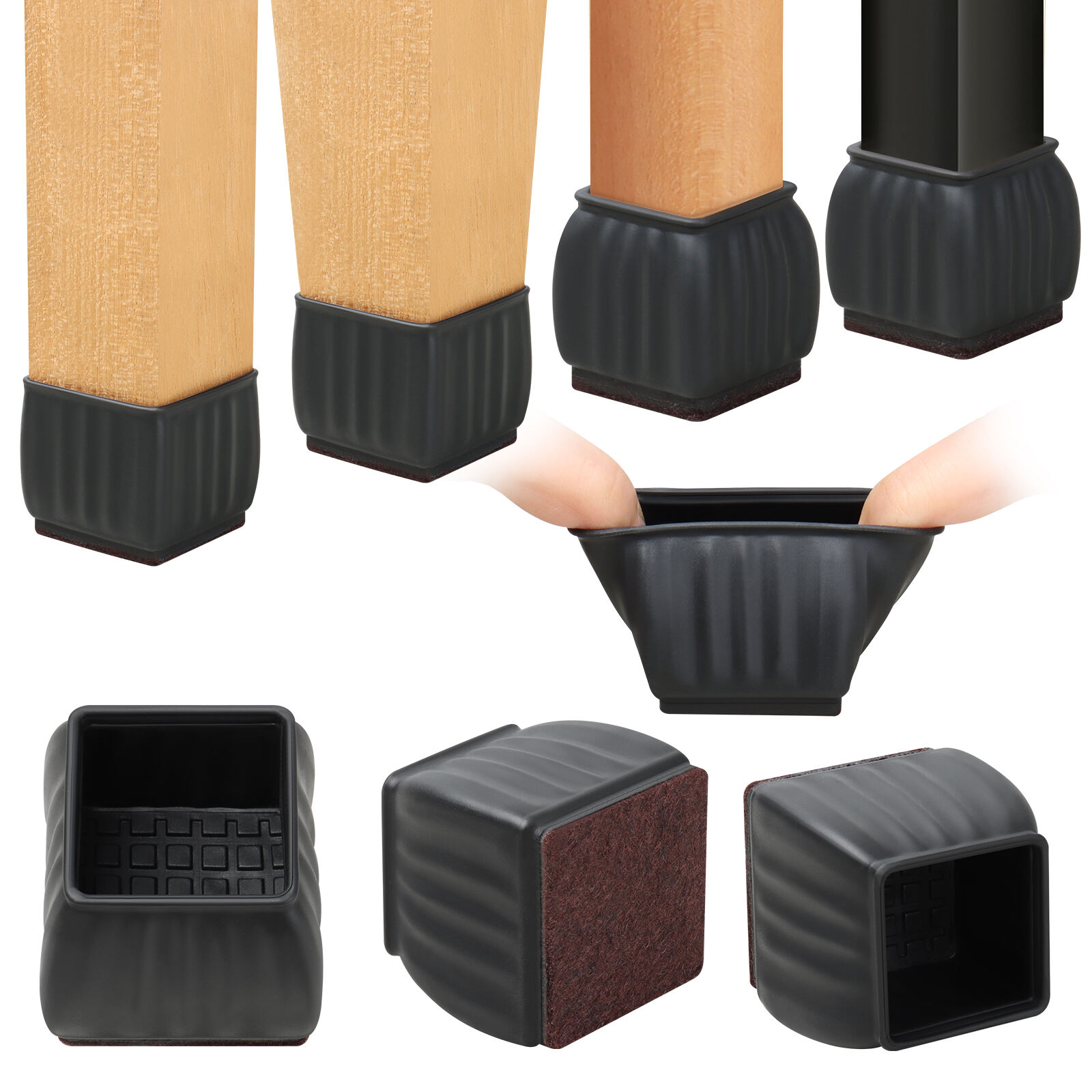
Kratak odgovor je da podloge za stolice na tepihu poboljšavaju stabilnost i smanjuju rizik od prevrtanja, ali stupanj poboljšanja ovisi u velikoj mjeri o dizajnu podloga, dubini hrpe tepiha, geometriji stolice i obrascima uporabe. U ovom članku razmatra se inženjerska načela koja stoje iza povećanja stabilnosti, istražuje se kako različiti materijali za podloge surađuju s vlaknima tepiha i pruža praktična uputstva za odabir rješenja koja stvarno rješavaju probleme s prevrtanjem, a ne samo zaštitu površine poda. Bilo da upravljate poslovnom uredom s valjaćim stolicama ili namještavate stan s stolovima za objed, razumijevanje tih dinamika pomaže vam u donošenju informiranih odluka o sigurnosnim priborima za namještaj.
Kako podloge za stolice utječu na stabilnost kolira
Dinamika kompresije i oporavka tepiha ispod stoličnih nogu
Kada se stolice pritisnu na tepih bez zaštitnih podloga, uski metalni ili drveni krajevi stvaraju koncentrirane točke pritiska koje neredno stiskaju tepih i podložnu podložnu podložinu. Ova kompresija stvara male udubljenja koja omogućavaju stoličnim nogama da se potone na različite dubine ovisno o raspodjeli opterećenja. Kako korisnici mijenjaju težinu tijekom normalnih aktivnosti sedenja, ove padine produbljuju se na napunjenoj strani dok se suprotne noge mogu blago podignuti s površine tepiha, stvarajući nestabilan pokret ljuljanja koji povećava rizik od prevrtanja.
Stolične podloge za noge na tepihu raspoređuju težinu na širu površinu, smanjujući koncentraciju pritiska i ograničavajući dubinu u koju noge tone u hrpu. Kvalitetne podloge stvaraju stabilniji kontaktni ravnini koji se odupire bočnim pokretima i održava dosljedniji kontakt na tlu preko svih nogu. Učinkovitost ove stabilizacije ovisi o promjeru podloge u odnosu na poprečni presjek noge. Veće kontaktne fleke pružaju proporcionalno veću poboljšanje stabilnosti, posebno na plusu ili visokim tepihima gdje bi dubina potonuća inače bila značajna.
U skladu s člankom 3. stavkom 1. Umotnjavanje tepiha postupno gubi otpornost pod trajnim komprimiranjem, stvarajući trajne padine gdje stolice najčešće odmaraju noge. Ove depresije zapravo mogu smanjiti stabilnost stvaranjem položaja u obliku zdjele koji potiče ljuljanje. Pravilno dizajnirane podloge za stolice na tepihu smanjuju oštećenje zbog kompresije tako što se snage ravnomjernije raspoređuju, čuvajući integritet i dugoročnu stabilnost tepiha.
Koefficijenti trenja površine i njihova uloga u sprečavanju bočnog kretanja
U slučaju da je stolica na mjestu za nošenje, na primjer, na mjestu za nošenje, na mjestu za nošenje, na mjestu za nošenje, na mjestu za nošenje, na mjestu za nošenje, na mjestu za nošenje, na mjestu za nošenje, na mjestu za nošenje, na mjestu za nošenje, na mjestu za nošenje, na mjestu za Noge stolice od glatkog metala ili drveta pružaju minimalno trenje na vlakna tepiha, što omogućuje stolicama lako klizati kada su podložne vodoravnim silama. Ovaj uvjet niskog trenja postaje posebno problematičan na komercijalnim tepihima s petljicama s čvrstom površinom koja pruža malo mehaničke blokade.
Instalacija podloga za stolice na tepih temeljno mijenja ovaj odnos trenja uvođenjem materijala posebno dizajniranih za karakteristike prijemnosti. Silikon i gumene podloge imaju visoke koeficijente trenja koji otporni na klizavi pokret kroz lepljivi grip i mehaničku deformaciju. Kada se primjenjuje bočna sila, ovi materijali se blago komprimiraju i prilagođavaju teksturi tepiha, stvarajući otpor koji pomaže u održavanju položaja stolice i sprečava naglo klizanje koje može uzrokovati padanje.
Odnos između trenja i stabilnosti ne obuhvaća samo prevenciju klizanja. U slučaju da se ne primijenjuje primjena ovog standarda, ne može se koristiti za određivanje vrijednosti. S druge vrijednosti, osim onih iz tarifnih brojeva 8403 i 8404 stolična podloga za noge na tepihu u skladu s člankom 3. stavkom 2.
Geometrija raspodjele težine i inženjerstvo kontaktnih fleka
Geometrija kontakta stolice i nogu s površinama tepiha izravno utječe na stabilnost kroz osnovne fizičke principe koji upravljaju središtem gravitacije i podupiru dimenzije poligona. Stolice s uskim razmakom između nogu ili malim otiskom u odnosu na visinu sjedala suočavaju se sa inherentno većim rizikom od prevrtanja jer njihov stabilni poligonpodručje ograničeno kontaktnim točkama s zemljommjerno otporno na moment prevrtanja koji nastaje izvan
Stolične podloge za noge na tepihu učinkovito proširuju poduporni poligon povećanjem promjera svake točke dodira. Iako ova širenja može mjeriti samo nekoliko milimetara po nozi, kumulativni učinak na područje stabilnog poligona može biti značajan, posebno za stolice s blisko udaljenim nogama. Ova geometrijska prednost postaje najvidljivija u scenarijima prevrtanja gdje se sile približavaju pragu stabilnosti, dodatna kontaktna površina koju pružaju podloge može napraviti razliku između održavanja ravnoteže i prevrtanja.
Inženjerski princip koji se primjenjuje uključuje pretvaranje tačaka opterećenja u površinske opterećenja, što ne samo da poboljšava stabilnost, nego i smanjuje koncentracije napona koje oštećuju tepih. Kvadratni ili pravokutni dizajni podloga nude prednosti u odnosu na kružne profile pružajući smjerno optimizirane kontaktne zakrpe koje otporne na skakanje u predvidljivim razinama nestabilnosti. Razumijevanje tih geometrijskih odnosa pomaže objasniti zašto odgovarajuće veličine podloga za stolice na tepihu pružaju mjerljivo poboljšanje stabilnosti unatoč svojim skromnim dimenzijama.
Izbor materijala i dizajn koji poboljšavaju otpornost na prevrtanje
U skladu s člankom 3. stavkom 2.
Izbor materijala za podloge za stolice na tepihu kritično određuje poboljšanje stabilnosti i dugoročne performanse. Silikonove podloge nude superiorne karakteristike prijemnosti kroz visoke koeficijente trenja i fleksibilnost materijala koja omogućuje usklađenost površine s teksturom tepiha. U skladu s člankom 3. stavkom 2. točkom (a) ovog članka, "specifična oprema" znači oprema koja se koristi za proizvodnju električne energije. Ti padovi obično imaju vrijednosti tvrdoće na obali između 40A i 60A, pružajući optimalnu ravnotežu između prijemnosti i strukturalnog integriteta.
U skladu s člankom 3. stavkom 1. točkom (a) Uredbe (EZ) br. 765/2008 te u skladu s člankom 3. stavkom (b) Uredbe (EZ) br. 765/2008 i člankom 4. stavkom (b) Uredbe (EZ) br. 765/2008 i člankom 4. stavkom (c) Uredbe (EZ) br. 7 Gosti vlakni od vune stvaraju mehaničku povezanost s vlaknima tepiha kroz strukturu površine, stvarajući trenje kroz upletanje vlakana umjesto lepljivog hvatanja. Ovaj mehanizam posebno dobro djeluje na tepihima od rezanog kamena gdje vlakna od filca mogu malo prodrijeti u strukturu kamena. Međutim, filci se općenito češće komprimiraju od silikonskih alternativa, što potencijalno smanjuje njihovu učinkovitost na vrlo plušnim ili dubokim tepihovima gdje je održavanje konzistentne kontaktne geometrije kritično.
U slučaju da je to potrebno, proizvođač može upotrijebiti materijale za podloge za stolice na tepihu. U poslovnim područjima s velikim prometom i čestim kretanjem stolice koristi se konstantnim učinkovitosti i lakoćom čišćenja silikona, dok se u stambenim područjima s fiksnim namještajem može osjećati adekvatnije i estetski kompatibilnije. Hibridni dizajn koji uključuje oba materijala pokušava iskoristiti prednosti svakog pristupa, iako rješenja od jednog materijala obično nude bolju predvidljivost u poboljšanju stabilnosti.
Optimizacija debljine podloge za različite dubine kupca tepiha
U skladu s člankom 3. stavkom 2. točkom (a) Uredbe (EZ) br. 765/2008 i člankom 3. stavkom (b) Uredbe (EZ) br. 765/2008 i člankom 3. stavkom (b) Uredbe (EZ) br. 765/2008 i člankom 3. stavkom (c) Uredbe (EZ) br. 765/2008 i Tanke podloge veličine 2-3 milimetra pružaju minimalnu visinu i najbolje rade na komercijalnim tepihovima s niskim stupcima gdje je dubina tonja ograničena. Ti tanki profili održavaju geometriju stolice uz minimalne promjene, a istovremeno pružaju prednosti trenja i distribucije koje poboljšavaju stabilnost.
Srednje debljine podloga u rasponu od 5-8 milimetara odgovaraju standardnim stambenim tepihima s umjerenom debljinom hrpe i podloge. Ove dimenzije omogućuju podloge da dovoljno komprimiraju tepih da se približe čvršćem podnožju, zadržavajući strukturni integritet pod opterećenjem. Dodatna debljina pruža veću distribuciju i osigurava da se noge stolice ne komprimiraju kroz materijal podloge kako bi se stvorile uske kontaktne točke koje potkopavaju prednosti stabilnosti.
Za masne ili šahne tepihe gdje dubina hrpe omogućuje prekomjerno tonjenje bez odgovarajuće podrske, potrebne su debljine od 10 milimetara. Međutim, prekomjerna debljina podloge zapravo može smanjiti stabilnost podizanjem središta teže stolice i stvaranjem manje stabilne geometrije. Optimalna debljina za podloge stolice na tepihu predstavlja ravnotežu gdje se otpornost na kompresiju, područje raspodjele i geometrijska razmatranja zbližavaju kako bi se povećala otpornost na skakanje bez uvođenja novih faktora nestabilnosti zbog prekomjerne nadmorske visine.
Dizajn profila rubova i njegov utjecaj na rotacijsku stabilnost
Geometrija profila rubova podloga stolice na tepihu utječe na stabilnost rotacije utjecajem na to kako podloge reagiraju na sila nagibanja. Padovi s oštrim pravougaznim rubovima stvaraju posebnu prijelaznu točku gdje rotacijsko kretanje uzrokuje da rub padove kopa u gomilu tepiha, stvarajući otpor koji se suprotstavlja kretanju. Ovaj fenomen ugruženja rubova pruža mehaničku prednost koja nadopunjuje stabilnost temeljenu na trenjima, posebno vrijednu tijekom dinamičkih učinaka opterećenja gdje bi brzo primjenjivanje sile inače moglo prevladati statičko trenje.
Profili s zakrivljenim ili polumjerom ivice nude različite karakteristike performansi omogućavajući glatke prelaske tijekom manjih ugaonskih deflekcija. Iako to smanjuje otpornost na mala pokreta, zapravo može poboljšati praktičnu stabilnost tako što sprečava iznenadno oslobađanje koje se ponekad događa kada oštri rubovi prevazilaze otpor tepiha. Postepeni profil sile okruglih rubova pruža predvidljivije ponašanje tijekom pomicanja težine, omogućavajući korisnicima da osjete granice stabilnosti prije nego se dogodi katastrofalno prevrtanje.
Kvadratni podlozi s definiranim uglovima pružaju maksimalnu otpornost na rotaciju tako što se tepih istodobno uključuje u više krajnjih točaka tijekom scenarija prevrtanja. Ova višetočkačka uključenost stvara veću otpornost na ugalno pomicanje u usporedbi s kružnim podloga koje se okreću oko jedne kontaktne točke. Za primjene u kojima je primarna briga spriječiti prevrtanje, kvadratne stolice za noge na tepihu s umjerenim rubovima obično pružaju optimalne performanse kombiniranjem otpora rotacije s dovoljno olakšavanja rubova kako bi se spriječilo oštećenje tepiha tijekom normalne uporabe.
Kvantificiranje poboljšanja stabilnosti testiranjem opterećenja i scenarijima iz stvarnog svijeta
Uređivanje ugla prevrtanja s zaštitnim podloga i bez njih
U slučaju da je to moguće, potrebno je utvrditi razinu stabilnosti stolice i izravno je utvrditi razinu stabilnosti stolice. U skladu s tim, u slučaju da se ne primjenjuje primjena ovog standarda, mora se utvrditi da je to u skladu s člankom 6. stavkom 2. Stolice bez podloga na tepihu srednje veličine obično imaju kutove skretanja između 15 i 20 stupnjeva od vertikalne, ovisno o geometriji nogu i raspodjeli težine.
U slučaju da se u kontrolisanom okruženju testiranja ne primijenjuje primjena ovog standarda, testiranje se može provesti na temelju odgovarajuće metode. To poboljšanje može izgledati skromno u apsolutnim uvjetima, ali predstavlja povećanje od 20-40% destabilizirajuće sile potrebne za pokretanje prevrtanja. Poboljšanje se pokazalo najdramatičnijim na stolicama s marginalnom urođenom stabilnošću, gdje dodatna otpornost koju pružaju podloge može pretvoriti sigurni namještaj u pouzdano stabilno sjedenje.
Koristi stabilnosti u stvarnom svijetu proširuju se izvan statičkih mjerenja kuta prevrtanja i uključuju dinamički otpor tijekom tipičnih uzoraka uporabe. Stolični podloge za noge na tepihu smanjuju vjerojatnost iznenadnog klizanja koje često prethodi prevrtanju, pružajući korisnicima bolju osjetljivost o granicama stabilnosti. Ova senzorijska prednost omogućuje putnicima nesvjesno prilagoditi svoje pokrete kako bi održali ravnotežu, stvarajući sekundarnu sigurnosnu korist koja nadopunjuje izravne mehaničke prednosti izmjerene u laboratorijskim testovima.
Analiza raspodjele težine na više kontaktnih točaka nogu
Razumijevanje kako podloge za stolice na tepihu utječu na raspodjelu težine na kontaktnim točkama nogu otkriva važne mehanizme iza poboljšanja stabilnosti. Nepolsterirane stolice na tepihu često pokazuju nejednake obrasce opterećenja gdje se 60-70% ukupne težine koncentrira na dvije noge, dok preostale noge nose minimalno opterećenje ili povremeno gube kontakt. Ova neujednačena raspodjela stvara nestabilnu platformu koja se lako šuti tijekom pomicanja težine.
Kvalitativne podloge za stolice na tepihu poboljšavaju raspodjelu opterećenja pružanjem konzistentnih kontaktnih površina koje smanjuju tendenciju pojedinačnih nogu da se potone na različite dubine. U skladu s člankom 3. stavkom 2. stavkom 2. točkom (a) Uredbe (EZ) br. 765/2008 i člankom 3. stavkom 2. točkom (b) Uredbe (EZ) br. 765/2008 i člankom 3. točkom (c) Uredbe (EZ) br. 765/2008 i člankom 3. točkom (c) Uredbe (EZ) Ova jednakija raspodjela inherentno povećava stabilnost osiguravajući da sve točke podrške učinkovito doprinose otpornosti na sile prevrtanja.
Mehanizam poboljšanja raspodjele djeluje kroz dva puta: prvo, sprečavajući diferencijalno tonjenje koje stvara neravnu visinu nogu, a drugo, pružajući konzistentne koeficijente trenja na svim kontaktnim točkama koji jednako otporni na bočno kretanje. Kada se kombiniraju, ovi efekti stvaraju predvidljiviju i stabilniju platformu za podršku koja jednako reagira na primjenjene sile umjesto da pokazuje preferencijalne obrasce pokreta koji karakteriziraju slabo podržane stolice na tepihu.
U slučaju da se ne primjenjuje, to se može dogoditi nakon uzimanja u obzir svih relevantnih tehničkih standarda.
Koristi stabilnosti koje pružaju podloge za stolice na tepihu evoluiraju s vremenom kako se materijali podvrgavaju kompresiji, površinskom nošenju i degradaciji okoliša. U početku poboljšanja stabilnosti obično predstavljaju vrhunsku učinkovitost koja se postupno smanjuje kako se podloge gomilaju radnim satima. Visokokvalitetne silikonske podloge zadržavaju 80-90% početne stabilnosti nakon 12 mjeseci tipične uredske uporabe, dok materijali nižeg kvaliteta mogu pokazati 30-40% smanjenje performansi u istom razdoblju.
Sastav kompresijetrajna deformacija koja nastaje kada elastomeri ostaju pod trajnim opterećenjempredstavlja primarni mehanizam degradacije koji utječe na podloge stolica na tepihu. Kako se podloge postupno ravnaju i gube debljinu, njihova kontaktna površina raste, dok njihova sposobnost održavanja konzistentne geometrije pod opterećenjem opada. Ovaj se proces razgradnje ubrzava na teškim stolicama i u visoko temperaturnim uvjetima gdje mekšanje materijala povećava učinak kompresije.
Za održavanje dugoročne stabilnosti potreban je periodičan pregled i zamjena podloga za stolice na tepihu prije nego što degradacija ugrozi sigurnosne marže. U slučaju da se ne primjenjuje, sustav za zaštitu od otpadnih otpada mora se upotrijebiti za zaštitu od otpadnih otpada. U skladu s člankom 3. stavkom 2. točkom (a) Uredbe (EZ) br. 765/2008 i člankom 3. stavkom 3. točkom (b) Uredbe (EZ) br. 765/2008 i člankom 3. točkom (c) Uredbe (EZ) br. 765/2008 i člankom 3. točkom (c) Uredbe (EZ) br. 7
U slučaju da se ne primjenjuje, ne smije se upotrebljavati.
U slučaju da je to potrebno, za upotrebu u proizvodnji, upotrebljavanje ili upotrebu u proizvodnji, upotrebljavanje ili upotrebu u proizvodnji, upotrebljavanje ili upotrebu u proizvodnji, upotrebu ili upotrebu u proizvodnji, upotrebljavanje ili upotrebu u proizvodnji, upotrebu ili upotrebu u proizvodnji, upotrebu
Sredstva za upravljanje otpornim sustavima za upravljanje otpornim sustavima za upravljanje otpornim sustavima za upravljanje otpornim sustavima za upravljanje otpornim sustavima za upravljanje otpornim sustavima za upravljanje otpornim sustavima za upravljanje otpornim sustavima za upravljanje otpornim sustavima za upravljanje otpornim sustavima za upravljanje otpornim Standardni valjci često tone u gomilu tepiha, stvarajući poteškoće u pokretljivosti, istodobno smanjujući učinkovit poduporni poligon koji određuje otpornost na skakanje. Za postavljanje podloga za stolice na tepih za ove primjene potrebno je pažljivo razmotriti daje li se prioritet pokretljivosti ili stabilnosti.
Za stolove za rad koji zahtijevaju često preusmjeravanje, specijalizirane podloge za stolice u stilu klizača na tepihu u potpunosti zamjenjuju valjane kolice, pretvarajući mobilna sjedala u statična položaja s povećanom stabilnošću. Ova se konverzija pokazala posebno vrijednom za specijalizirane radne stanice gdje stabilnost tijekom preciznih zadataka nadmašuje mobilnost. Slijednice pružaju znatno veće kontaktne površine od standardnih kotrljača, uz zadržavanje dovoljno niskog obrađivanja površine kako bi se povremeno omogućilo ponovno postavljanje uz umjeren napor.
Komercijalne instalacije tepiha obično imaju nižu visinu hrpe i čvršću podlogu u usporedbi s stambenim proizvodi , stvarajući uvjete u kojima podloge za stolice na tepihu pružaju dosljednije performanse. Smanjena dubina kompresije znači da se debljina podloge može minimizirati, a istovremeno postići značajnu kontaktnu površinu, a čvršći podlog pruža bolju podršku za otpornost bočnim silama. Ti povoljni uvjeti objašnjavaju zašto poboljšanje stabilnosti od pravilno odabranih podloga često premašuje poboljšanja performansi mjerena na stambenim sustavima tepiha.
Jedili su i povremeno sjedili u stambenim prostorima na tepihu
Stolice za jela za stanovanje suočavaju se s različitim zahtjevima za stabilnošću od sjedala za rad, s naglaskom na sprečavanje prevrtanja prilikom ulaska i izlaska, a ne na održavanje položaja tijekom sjedala radnih aktivnosti. Dinamičko opterećenje tijekom stajanja i sjedenja stvara značajne bočne sile koje testiraju granice stabilnosti, posebno kada korisnici guraju protiv naslona stolice za polugu. Stolične podloge za noge na tepihu rešavaju ove situacije time što pružaju čvrsto držanje koje se odupire klizanju unazad koje često prethodi prevrtanju unazad.
Pluštični stambeni tepihi s debljim podloga stvaraju izazovne uvjete za održavanje stabilnosti namještaja zbog prekomjerne kompresije i dinamičke oporave. Duboka hrpa omogućuje da noge stolice značajno potone, što učinkovito smanjuje dužinu noge i mijenja geometriju stabilnosti. U takvim uvjetima podloge za stolice na tepihu moraju biti dovoljno debeli i čvrsti da prođu kroz sloj komprimirajuće hrpe i stupe u kontakt s čvrstim podlogom ispod, stvarajući stabilniju podržnu platformu.
U rezidencijalnim primjenama u kojima vidljivi proizvodi za zaštitu namještaja utječu na koherentnost unutarnjeg dizajna, estetska razmatranja imaju veću ulogu. Srećom, moderne podloge za stolice na tepihu uključuju dizajnerske elemente koji smanjuju vizualni utjecaj, s izborom boja i niskim geometrijama koje se uklapaju u stil namještaja. U skladu s člankom 3. stavkom 1. točkom (a) Uredbe (EZ) br. 765/2008 i člankom 3. stavkom (b) Uredbe (EZ) br. 765/2008 i člankom 4. stavkom (b) Uredbe (EZ) br. 765/2008 i člankom 4. stavkom (c) Uredbe (EZ) br. 765/2008 i
Specijalna primjena uključujući barske stolice i sjedala s protivnolikom visinom
Bar stolice i stolice s uzlaznom visinom imaju povišen rizik od prevrtanja zbog visokog središta težišta u odnosu na dimenzije otiska stopala, što povećava stabilnost posebno za ove vrste namještaja. Fizička obilježja visokih sjedala stvaraju duže ruke koji pojačavaju destabilizirajuće sile, što znači da relativno mala bočna opterećenja mogu generirati značajne momentove prevrtanja. Stolične podloge za noge na tepihu postaju bitni sigurnosni pribor umjesto opcionalnih poboljšanja za ove inherentno nestabilne konfiguracije namještaja.
Uzak otisak otiska karakterističan za dizajn barnih stolica ograničava dostupnu površinu za ugradnju podloga za stolice na tepihu, što zahtijeva pažljiv izbor podloga maksimalnog promjera koji se uklapaju u ograničenja razmak između nogu, a istovremeno pružaju optimalno pokriće. Kvadratni podloge često su korisni u tim aplikacijama, što znači da maksimalno povećavaju upotrebljivu kontaktnu površinu unutar geometrijskog ograničenja. U skladu s člankom 3. stavkom 1. točkom (a) Uredbe (EZ) br. 765/2008 Komisija je odlučila o uvođenju mjera za utvrđivanje sigurnosnih standarda za vozila u skladu s člankom 3. stavkom 2. točkom (a) Uredbe (EZ) br. 765/2008 i o izmjeni Uredbe (EZ) br. 7
Sjedala na visini u kuhinji i u ugostiteljskim prostorima često se suočavaju s dodatnim izazovima zbog prolivanja hrane i čišćenja koji mogu narušiti materijale za podloge ili stvoriti klizave uvjete. Izbor podloga za stolice na tepih za ove primjene zahtijeva pozornost na otpornost materijala na uobičajene onečišćujući tvari i jednostavnost čišćenja. Silikonske podloge općenito nadmašuju filte u ovim zahtjevnim okruženjima zbog svojih nepropornih površina koje otporne na apsorpciju vlage i njihove kompatibilnosti s standardnim protokolima čišćenja koji održavaju higijenu bez ugrožavanja stabilnosti performansi.
Često se javljaju pitanja
Koliko podloge za stolice zapravo smanjuju rizik od prevrtanja na tepihu u usporedbi s golim nogama stolice?
Pravilno odabrani podloge za stolice na tepihu obično povećavaju prag ugla prevrtanja za 20-40%, što znači da je za pokretanje prevrtanja potrebna znatno veća bočna sila u usporedbi s nezaštićenim nogama stolice. U skladu s člankom 3. stavkom 2. točkom (a) Uredbe (EZ) br. 765/2008 Komisija je odlučila o uvođenju mjera za utvrđivanje sigurnosnih standarda za stolove s ograničenom stabilnošću. Točno poboljšanje ovisi o materijalu podloga, karakteristikama tepiha i geometriji stolice, ali kontrolirana ispitivanja dosljedno pokazuju značajno smanjenje rizika u različitim kombinacijama namještaja i podova.
Mogu li podloge za stolice uzrokovati probleme s stabilnošću tako što će središte gravitacije stolice biti previsoko?
Prekomjerno debele podloge za stolice mogu teoretski smanjiti stabilnost podizanjem središta težišta, ali to se odnosi samo na podloge debljine većoj od 15-20 milimetara. Standardne podloge za stolice na tepihu od 5-10 milimetara pružaju zanemarljivu visinu u odnosu na tipične visine sjedala, što znači da je pomak središta težišta nevažan u usporedbi s dobrotama stabilnosti od poboljšane raspodjele težine i povećanja trenja. Za pravilnu primjenu, geometrijske prednosti veće kontaktne površine znatno nadmašuju bilo kakvu minimalnu destabilizaciju od skromnog povećanja visine.
Kako često treba mijenjati podloge za stolice kako bi se održala optimalna stabilnost na tepihu?
Intervali zamjene podloga za stolice na tepihu ovisni su o intenzitetu korištenja i kvaliteti materijala, ali opće smjernice predlažu inspekciju svakih 6-12 mjeseci za komercijalne primjene s velikim prometom i svakih 18-24 mjeseca za stambenu upotrebu. U slučaju da je to potrebno za proizvodnju električne energije, za upotrebu u proizvodnji električne energije, mora se upotrebljavati: Proaktivna zamjena prije pojave teške degradacije osigurava kontinuirano poboljšanje stabilnosti i sprečava postupno smanjenje otpora na prevrtanje koje prati propadanje materijala.
Da li podloge za stolice jednako dobro funkcioniraju na svim vrstama tepiha ili određeni tepihi zahtijevaju određeni dizajn podloga?
U skladu s člankom 3. stavkom 2. točkom (a) Uredbe (EZ) br. 765/2008 i člankom 3. stavkom (b) Uredbe (EZ) br. 765/2008 i člankom 4. stavkom (b) Uredbe (EZ) br. 765/2008 i člankom 4. stavkom (c) Uredbe (EZ) br. 765/2008 i Komercijalni tepih s niskim stupom dobro funkcionira s tanjim, čvršćim podložkama koje naglašavaju povećanje trenja, dok plusivi stambeni tepihi zahtijevaju deblje podloge s većom otpornošću na kompresiju kako bi se pomaknule dubine stupova. Tepeti s petljivim slojem imaju teksturirane površine koje stvaraju mehaničku blokadu, dok su tipi s reznim slojem bolji na glatke materijale s visokim trenjem. Za poboljšanje optimalne stabilnosti potrebno je procijeniti vrstu tepiha i odabrati podloge dizajnirane za te specifične karakteristike supstrata.


