
 EN
EN
 AR
AR
 BG
BG
 HR
HR
 CS
CS
 DA
DA
 NL
NL
 FI
FI
 FR
FR
 DE
DE
 EL
EL
 HI
HI
 IT
IT
 JA
JA
 KO
KO
 NO
NO
 PL
PL
 PT
PT
 RO
RO
 RU
RU
 ES
ES
 SV
SV
 CA
CA
 TL
TL
 IW
IW
 ID
ID
 LT
LT
 SR
SR
 SK
SK
 SL
SL
 UK
UK
 VI
VI
 HU
HU
 TR
TR
 AF
AF
 MS
MS
 GA
GA
 LA
LA
 MN
MN

Dlaczego każdy fotel biurkowy potrzebuje podkładki pod nogi, aby chronić posadzkę winylową?
Podłogi winylowe stały się jednym z najpopularniejszych wyborów dla nowoczesnych biur ze względu na ich trwałość, przystępną cenę oraz estetyczną wszechstronność. Jednak mimo tych zalet powierzchnie winylowe pozostają zaskakująco podatne na uszkodzenia pochodzące od źródła, które wielu zarządzających obiektami pomija: nóg krzeseł biurowych. Stałe przesuwanie, ciśnienie wywierane przez ciężar oraz tarcie powstające przy użytkowaniu krzeseł bez odpowiedniej ochrony mogą prowadzić do zadrapań, zarysowań, wgnieceń oraz trwałych uszkodzeń, które pogarszają zarówno wygląd, jak i trwałość inwestycji w podłogę. Dlatego właśnie nakładki na nogi krzeseł przeszły z kategorii opcjonalnych akcesoriów do rangi niezbędnego wyposażenia ochronnego w każdej przestrzeni roboczej z podłogami winylowymi.
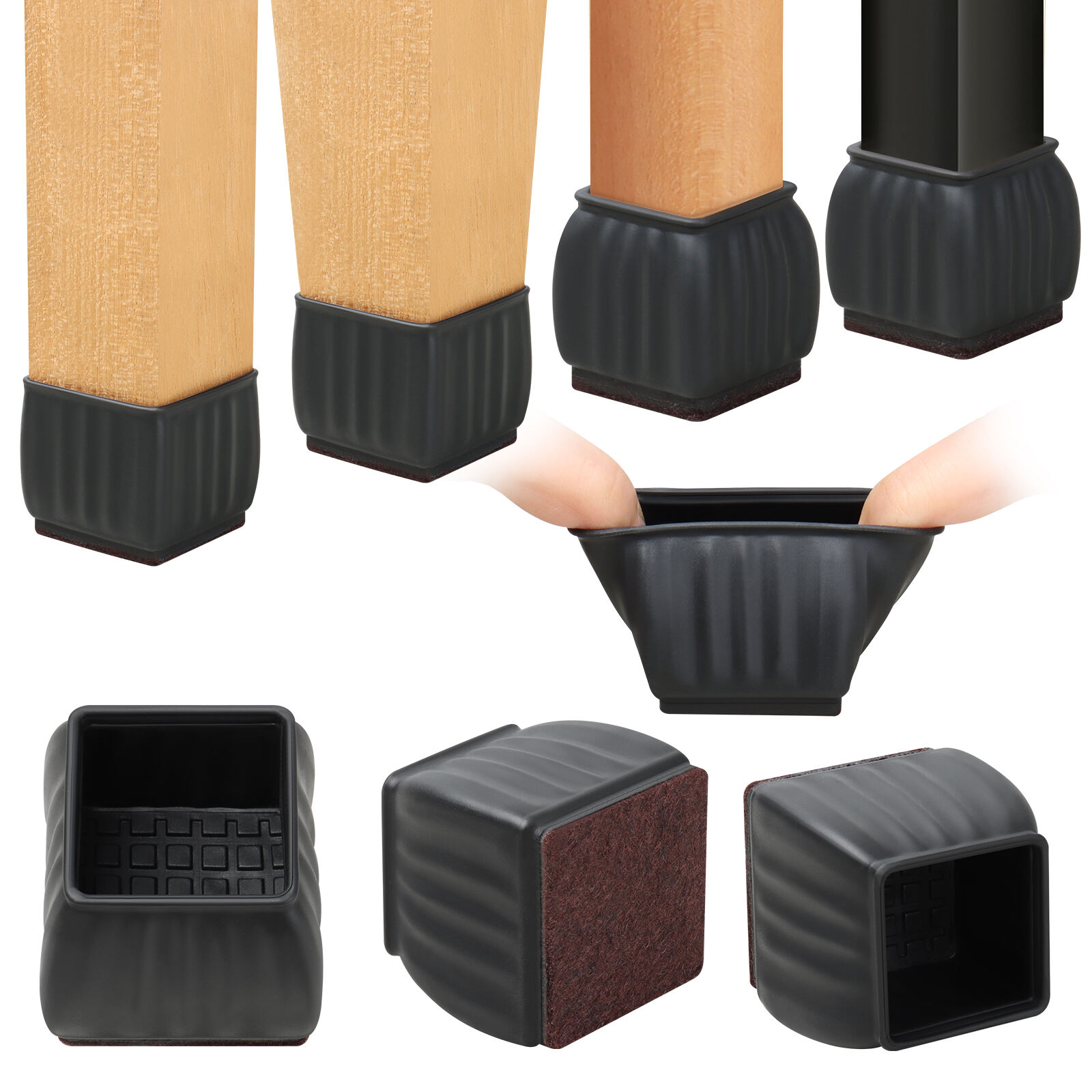
Związek między krzesłami biurowymi a podłogami winylowymi stwarza unikalne wyzwanie, które staje się coraz bardziej istotne wraz z przyjmowaniem przez przestrzenie biurowe modeli hybrydowych oraz zwiększaniem mobilności biurek. Bez odpowiedniej ochrony nawet wysokiej jakości winyl może ulec uszkodzeniu już po kilku miesiącach normalnego użytkowania w biurze. Zrozumienie, dlaczego nakładki na nogi krzeseł nie są jedynie zalecane, lecz konieczne do ochrony podłóg winylowych, wymaga przeanalizowania specyficznych wad materiału winylowego, sił mechanicznych generowanych przez ruch krzeseł biurowych oraz długoterminowych skutków finansowych uszkodzeń podłogi. W niniejszym artykule omówione są uzasadnione powody, dla których stosowanie nakładek na nogi krzeseł powinno stanowić priorytet w każdej przestrzeni biurowej wyposażonej w podłogi winylowe.
Unikalna podatność podłóg winylowych na uszkodzenia spowodowane przez krzesła
Skład materiału i cechy powierzchniowe
Podłogi winylowe składają się z wielu warstw, w tym warstwy odpornościowej, warstwy projektowej, rdzeniowej oraz podkładki, przy czym górna warstwa odpornościowa stanowi główną barierę ochronną przed uszkodzeniami powierzchniowymi. Ta warstwa odpornościowa, zwykle wykonana z poliuretanu lub ulepszonego poliuretanu, ma grubość od 6 do 28 mil w zależności od klasy jakości podłogi. Choć taka konstrukcja zapewnia doskonałą odporność na wilgoć i ogólny ruch pieszy, pozostaje podatna na punktowe obciążenia skupione oraz tarcie ścierne. Krzesła biurkowe generują właśnie takie warunki dzięki małym powierzchniom styku i powtarzającym się wzorom ruchu po tych samych obszarach podłogi.
Plastyczna natura winylu sprawia, że jest on podatny na wgniecenia pod długotrwałym obciążeniem, zwłaszcza gdy ciężar ten skupiony jest na małej powierzchni nóżek krzesła lub kółek. W przeciwieństwie do drewna twardego lub płytek ceramicznych, które zachowują sztywną integralność strukturalną, winyl charakteryzuje się pewną elastycznością, umożliwiającą jego uciskanie pod wpływem ciśnienia. Gdy nóżki krzesła nie są wyposażone w podkładek na nogi krzeseł pozostawanie w jednej pozycji przez dłuższy czas powoduje powstanie trwałych wgłębień, których nie da się odwrócić. Te wgniecia nie tylko wpływają na wygląd estetyczny, ale także tworzą nierówną powierzchnię, która dodatkowo przyspiesza zużycie sąsiednich obszarów.
Dynamika tarcia i ścierania powierzchni
Oddziaływanie między odsłoniętymi nogami krzesła a podłogą winylową generuje znaczne tarcie podczas przesuwania, co prowadzi do powstawania mikroskopijnych zadrapań, które z czasem gromadzą się w widoczne wzory zużycia. Nogi krzeseł metalowych stanowią szczególne zagrożenie, ponieważ mogą działać jak narzędzia tnące na miększej powierzchni winylu, zwłaszcza gdy między nogą a podłogą utkwi kurz lub inne zanieczyszczenia. Nawet nogi krzeseł plastikowych, choć mniej szorstkie niż metalowe, mogą powodować uszkodzenia przez tarcie ze względu na ich twardsze składniki polimerowe w porównaniu z powierzchnią winylową. To ścieranie stopniowo usuwa ochronną warstwę odporną na zużycie, ujawniając warstwę dekoracyjną i nośną, które stają się wówczas bardziej narażone na przyspieszone pogorszenie się stanu.
Środowiska biurowe nasilają ten problem tarcia, ponieważ krzesła są przesuwane dziesiątki, a nawet setki razy dziennie. Każde przesunięcie, zmiana pozycji lub dostosowanie krzesła powoduje dodatkowe tarcie kontaktowe, które stopniowo niszczy mikroskopijne ilości powierzchni winylowej. Bez podkładki pod nogi krzesła, które rozprowadzałyby ciśnienie i zapewniały miększy punkt kontaktu, to kumulatywne zarysowanie może widocznie uszkodzić posadzkę już po sześciu miesiącach do jednego roku normalnego użytku w biurze. Powtarzalny charakter tych ruchów powoduje, że uszkodzenia pojawiają się w przewidywalnych wzorach – zwykle jako ślad lub strefy przebarwień wokół stanowisk biurowych, gdzie ruch krzesła występuje najczęściej.
Oddziaływania chemiczne i degradacja materiałów
Niektóre materiały stosowane do nóg krzeseł mogą wchodzić w reakcję chemiczną z komponentami podłóg winylowych, powodując ich przebarwienie lub rozmiękczanie powierzchni winylowej. Gumy, na przykład, zawierają związki, które mogą przenikać do winylu w wyniku długotrwałego kontaktu, tworząc trwałe żółte lub brązowe plamy, których nie da się usunąć poprzez czyszczenie. Zjawisko to, znane jako migracja plastyczynów, występuje w przypadku długotrwałego kontaktu materiałów niekompatybilnych, co umożliwia przenikanie składników chemicznych pomiędzy nimi. Gdy takie plamy już się pojawią, przenikają one głębiej niż warstwa powierzchniowa i stają się trwałą usterką.
Użycie nakładek na nogi krzesła wykonanych z materiałów kompatybilnych tworzy barierę zapobiegającą tym reakcjom chemicznym, zapewniając jednocześnie niezbędną amortyzację i ochronę. Wysokiej jakości nakładki na nogi krzesła są specjalnie zaprojektowane z materiałów bezpiecznych dla winylu, które nie powodują przebarwień ani degradacji niezależnie od czasu kontaktu. Ten aspekt chemicznej kompatybilności jest często pomijany, ale stanowi kluczowy powód, dla którego uniwersalne rozwiązania ochronne mogą okazać się niewystarczające. Nieodpowiednie materiały mogą wręcz przyspieszać uszkodzenia zamiast je zapobiegać, co czyni świadomy wybór odpowiednich nakładek na nogi krzesła niezbędnym elementem kompleksowej ochrony podłogi.
Siły mechaniczne generowane przez użytkowanie krzesła biurkowego
Rozkład obciążenia statycznego i punkty nacisku
Krzesła biurowe zwykle rozprowadzają łączną masę wynoszącą od 200 do 400 funtów na ich nogi lub podstawę z kółkami w momencie, gdy są zajmowane, ale ta masa jest daleka od równomiernego rozłożenia. W przypadku czteronogich krzeseł bez podkładki pod nogi krzesła cała obciążenie skupia się na czterech małych punktach styku, zazwyczaj o powierzchni mniejszej niż jeden cal kwadratowy każdy. Powoduje to poziom ciśnienia przekraczający 100 funtów na cal kwadratowy na powierzchni winylu – znacznie więcej niż materiał ten został zaprojektowany do wytrzymywania w sposób ciągły. Wynikiem jest stopniowe wgłębienie, które staje się coraz bardziej widoczne w miarę jak winyl ulega uciskowi pod wpływem tych skoncentrowanych obciążeń.
Sytuacja staje się bardziej poważna przy długotrwałym pozostawaniu w nieruchomej pozycji, na przykład gdy pracownicy przez godziny pracują przy biurkach bez istotnego poruszania się. W takich okresach stałe obciążenie uniemożliwia winylowi odzyskanie pierwotnego kształtu, co prowadzi do trwałej deformacji. Podkładki pod nogi krzesła rozwiązują ten problem, znacznie zwiększając powierzchnię styku, dzięki czemu ciśnienie przypadające na cal kwadratowy spada do poziomu, który winyl może wytrzymać w sposób nieograniczony w czasie. Wysokiej jakości podkładka może zwiększyć powierzchnię styku od dziesięciu do dwudziestu razy, przekształcając szkodliwy punkt skupienia ciśnienia w rozłożone obciążenie, które zachowuje integralność podłogi.
Ruch dynamiczny i siły ścinające
Ponad statyczną masę, krzesła biurkowe generują znaczne siły ścinające podczas normalnego użytkowania, gdy użytkownicy zmieniają pozycję, sięgają po przedmioty lub przemieszczają się między biurkiem a komputerem. Te ruchy boczne powodują zarówno tarcie poziome, jak i siły skręcające, które mogą rozrywać lub zadzierać powierzchnie winylowe, szczególnie w okolicach krawędzi nóżek krzesła, gdzie skupia się naprężenie. Bez amortyzującego działania podkładki pod nóżki krzesła te dynamiczne siły przenoszą się bezpośrednio na powierzchnię, powodując zadrapania, rozerwania oraz obszary ścierania, które stopniowo pogarszają się wraz z dalszym użytkowaniem.
Obrotowe krzesła biurowe z kółkami wywierają inny, ale równie szkodliwy profil siły, ponieważ małe kółka skupiają obciążenia toczenia w wąskich liniach kontaktu. Gdy pracownicy odpychają się od biurek lub przesuwają krzesła między stanowiskami roboczymi, kółka te mogą generować wystarczającą siłę, aby pozostawić trwałe ślady na podłodze winylowej. Problem nasila się, gdy krzesła przenoszą większe obciążenia lub gdy kółka wykonane są z twardych materiałów, takich jak niestabilizowany plastik lub metal. Zastosowanie podkładki pod nogi krzeseł stałych oraz odpowiednich kółek do krzeseł obrotowych tworzy kompleksową strategię ochrony, która obejmuje zarówno uszkodzenia powodowane przez krzesła stałe, jak i mobilne.
Stres powtarzalny i uszkodzenia skumulowane
Powtarzalny charakter ruchów krzesła biurkowego powoduje uszkodzenia skumulowane, które przekraczają to, co można by przewidzieć na podstawie testów wytrzymałościowych przy pojedynczym obciążeniu. Za każdym razem, gdy krzesło jest przesuwane, regulowane lub przesuwane, na powierzchni winylu powstaje dodatkowe mikroskopijne uszkodzenie. W ciągu tygodni i miesięcy nieustanne, niewielkie uderzenia oraz zdarzenia tarcia kumulują się, prowadząc do znacznego, widocznego pogorszenia stanu materiału. Obszary o dużym natężeniu ruchu w pobliżu biurek najbardziej wyraźnie ujawniają ten skumulowany efekt, często wykazując wyraźne ślady zużycia już w pierwszym roku użytkowania w przypadku instalacji bez dodatkowej ochrony.
Podkładki pod nogi krzesła przerywają ten cykl kumulacyjnego uszkodzenia, zapewniając warstwę pośrednią działającą jako „ofiara”, która pochłania i rozprasza powtarzające się obciążenia. Zamiast aby każde przesunięcie bezpośrednio oddziaływało na winyl, materiał amortyzujący podkładek rozprasza energię i zmniejsza współczynniki tarcia. Dzięki tej funkcji ochronnej nawet po tysiącach cykli ruchu powierzchnia winylowa pod prawidłowo zamontowanymi podkładkami pod nogi krzeseł pozostaje w dużej mierze nieuszkodzona. Same podkładki mogą z czasem ulec zużyciu i wymagać wymiany, ale stanowi to niewielkie koszty konserwacji w porównaniu do wydatków związanych z naprawą lub wymianą posadzki.
Skutki finansowe uszkodzeń posadzki winylowej
Analiza kosztów naprawy i wymiany
Uszkodzenia podłogi winylowej spowodowane biurkowymi krzesłami bez ochrony stwarzają znaczne obciążenia finansowe, których wiele organizacji nie przewiduje w trakcie wstępnego planowania przestrzeni. Uszkodzenia lokalne, takie jak głębokie rysy lub wgniecenia, nie mogą być skutecznie naprawione za pomocą prostych metod naprawy lub dotykania, ponieważ podłoga winylowa działa jako zintegrowany system. Próba wymiany uszkodzonych fragmentów wymaga usunięcia i ponownej instalacji całych desek lub płytek, co rzadko zapewnia idealne dopasowanie do otaczających obszarów ze względu na różnice w produkcji, różnice w narażeniu na promieniowanie UV oraz ogólny proces starzenia się. Takie niedopasowanie powoduje efekt „łatkowania”, który może wyglądać gorzej niż pierwotne uszkodzenie.
Pełna wymiana posadzki stanowi jedynie naprawdę skuteczne rozwiązanie w przypadku poważnie uszkodzonej posadzki winylowej; koszty te wahają się od trzech do ośmiu dolarów za stopę kwadratową, wliczając w to materiały, roboty budowlane oraz zakłócenia w użytkowaniu pomieszczenia. Dla typowego biura o powierzchni 5000 stóp kwadratowych przekłada się to na potencjalne koszty wymiany posadzki w przedziale od piętnastu tysięcy do czterdziesięciu tysięcy dolarów. W porównaniu z minimalnym inwestycją niezbędną do kompleksowej instalacji nakładek na nogi krzeseł we wszystkich krzesłach biurowych podejście zapobiegawcze zapewnia wyjątkowy zwrot z inwestycji. Kompletny zestaw wysokiej jakości nakładek na nogi krzeseł dla całego biura kosztuje zazwyczaj mniej niż jeden procent potencjalnych wydatków na wymianę posadzki.
Utrata produktywności podczas naprawy posadzki
Ponadto koszty bezpośrednie materiałów i pracy ręcznej związane z naprawą lub wymianą podłogi winylowej powodują znaczne zakłócenia w produktywności, które nasilają skutki finansowe. Prace związane z podłogą wymagają opróżnienia i przemieszczenia mebli, sprzętu oraz często całych stanowisk roboczych, co zmusza pracowników do wykonywania obowiązków w lokalizacjach tymczasowych lub ogranicza zdolność operacyjną w okresie remontu. W zależności od zakresu projektu takie zakłócenia mogą trwać od kilku dni do wielu tygodni, podczas których normalne funkcjonowanie przedsiębiorstwa charakteryzuje się obniżoną wydajnością oraz potencjalnym wpływem na przychody.
Zapachy i pył powstające podczas demontażu i montażu podłóg mogą również wymagać częściowego lub pełnego zamknięcia obiektu, szczególnie w środowiskach opieki zdrowotnej, gastronomii lub czystej produkcji przemysłowej, gdzie zagrożenie zanieczyszczeniem ma pierwszorzędne znaczenie. Takie postoje oznaczają czystą stratę ekonomiczną, ponieważ obiekty nadal ponoszą koszty stałe bez generowania odpowiednich przychodów. Wdrożenie nakładek na nogi krzeseł jako strategii zapobiegawczej całkowicie eliminuje takie zakłócenia, umożliwiając nieprzerwaną, produktywną eksploatację przestrzeni biurowych. Same zachowanie produktywności może uzasadnić inwestycję w nakładki na nogi krzeseł wielokrotnie w typowym okresie najmu biura.
Wartość majątkowa i deprecjacja estetyczna
Uszkodzona podłoga winylowa znacznie obniża wartość majątkową i atrakcyjność rynkową biur, wpływając zarówno na nieruchomości będące własnością, jak i na te wynajmowane. Dla właścicieli nieruchomości widoczne uszkodzenia podłogi wywierają negatywny wpływ podczas prezentacji obiektów, obniżają wyceny nieruchomości oraz osłabiają pozycję negocjacyjną w trakcie rozmów dotyczących sprzedaży lub odnowienia umowy najmu. Potencjalni najemcy lub nabywcy interpretują uszkodzenia podłogi jako wskaźnik ogólnego stanu utrzymania nieruchomości, często domagając się obniżenia ceny lub przeprowadzenia obszernych remontów przed podjęciem decyzji o zawarciu transakcji.
W przypadku wynajmu biur najemcy zwykle ponoszą odpowiedzialność za przywrócenie pomieszczeń do pierwotnego stanu lub stają przed znacznymi opłatami kończącymi umowę najmu w związku z uszkodzeniem podłogi. Umowy najmu często zawierają postanowienia wymagające naprawy lub wymiany uszkodzonej podłogi kosztem najemcy, przy czym właściciele nieruchomości zazwyczaj naliczają za te prace nadwyżkowe stawki. Te opłaty kończące umowę najmu mogą osiągać dziesiątki tysięcy dolarów amerykańskich w przypadku biur średniej wielkości, stanowiąc istotny, nieprzewidziany wydatek w okresie już tak kosztownej relokacji. Zainstalowanie nakładek na nogi krzeseł od razu po zajęciu lokalu chroni przed takimi opłatami, jednocześnie utrzymując pozytywne relacje z właścicielem nieruchomości oraz zapewniając zwrot kaucji. Inwestycja w ochronę przynosi korzyści zarówno w trakcie okresu najmu – dzięki zachowaniu estetycznego wyglądu – jak i na zakończenie najmu – dzięki uniknięciu opłat za uszkodzenia.
Kompleksowe standardy ochrony oraz strategia wdrażania
Wybór odpowiednich specyfikacji nakładek na nogi krzeseł
Skuteczna ochrona podłóg winylowych wymaga doboru nakładek na nogi krzeseł zgodnych zarówno z charakterystyką krzesła, jak i konkretnym typem podłogi winylowej. Skład materiału stanowi główny czynnik decydujący, przy czym najskuteczniejszymi opcjami dla zastosowań winylowych są nakładki wykonane z silikonu i filcu. Nakładki silikonowe zapewniają doskonałe przyczepność, zapobiegając poślizgowi krzesła, a jednocześnie oferują znaczne amortyzowanie, rozprowadzając ciężar i pochłaniając siły uderzeniowe. Ich właściwości nie pozostawiające śladów gwarantują brak przebarwień ani przenoszenia resztek na powierzchnie winylowe, a ich trwałość zapewnia długotrwałą żywotność nawet w warunkach intensywnego użytkowania.
Podkładki z feltu do nóg krzeseł oferują uzupełniające zalety, szczególnie w przypadku krzeseł wymagających łatwiejszego przesuwania się w trakcie normalnego użytkowania. Miękka struktura tekstylna feltu powoduje minimalne tarcie względem winylu, zapewniając jednocześnie wystarczające amortyzowanie, aby zapobiec wgnieceniom i zadrapaniom. Wysokiej jakości podkładki z feltu są wyposażone w klejącą warstwę tylną, która zapewnia bezpieczne przytwierdzenie do nóg krzeseł bez konieczności stosowania narzędzi lub trwałych modyfikacji. Rozmiar ma istotne znaczenie, ponieważ podkładki muszą być wystarczająco duże, aby skutecznie rozpraszać ciężar krzesła, a jednocześnie pasować precyzyjnie do konkretnych wymiarów nogi krzesła. Kwadratowe podkładki o boku od jednego do dwóch cali zapewniają optymalne pokrycie dla większości profili nóg biurkowych krzeseł, a w przypadku zastosowań nietypowych dostępne są wersje niestandardowe.
Najlepsze praktyki instalacji oraz wymagania dotyczące pokrycia
Poprawne zamontowanie nakładek na nogi krzesła wymaga uwagi przy przygotowaniu powierzchni, dokładnym pozycjonowaniu oraz zastosowaniu bezpiecznych metod mocowania, aby zapewnić skuteczną ochronę w długim okresie użytkowania. Przed założeniem nakładek nogi krzesła należy dokładnie oczyścić z brudu, olejów oraz istniejących pozostałości, które mogłyby osłabić przyczepność kleju. Użycie alkoholu izopropylowego do czyszczenia zapewnia optymalną powierzchnię do klejenia i szybko odparowuje, umożliwiając natychmiastowe założenie nakładek. Nogi krzesła muszą być całkowicie suche przed montażem nakładek, aby zapobiec osłabieniu przyczepności kleju przez wilgoć.
Montaż podkładki pod nogi krzesła wymaga ich wyśrodkowania na dolnej powierzchni każdej nogi krzesła w celu maksymalizacji powierzchni styku oraz zapewnienia równomiernego rozłożenia obciążenia. W przypadku krzeseł z nachylonymi nogami podkładki należy dopasować do rzeczywistej powierzchni styku, a nie do osi nogi, aby zapobiec częściowemu stykowi, który zmniejsza skuteczność ochrony. Wywieranie silnego nacisku przez 30–60 sekund po początkowym umieszczeniu aktywuje kleje czułe na nacisk i zapewnia trwałe połączenie. Pozostawienie podkładek na 24 godziny przed poddaniem krzeseł normalemu użytkowaniu umożliwia pełne utwardzenie kleju i gwarantuje maksymalną wytrzymałość połączenia oraz jego długotrwałość. Kompleksowa ochrona wymaga zamontowania podkładek pod nogi krzesła na wszystkich krzesłach w obiekcie, ponieważ nawet jedno niezabezpieczone krzesło może powodować uszkodzenia podłogi, które pogarszają ogólny wygląd powierzchni.
Protokoły konserwacji i wymiany
Podkładki pod nogi krzeseł wymagają okresowej kontroli i wymiany w ramach programów rutynowej konserwacji obiektu, aby zapewnić ciągłą skuteczność ochrony. Kontrola wizualna powinna odbywać się co kwartał w celu wykrycia podkładek wykazujących znaczny zużycie, ucisk lub odłączenie, które mogłyby zagrozić ich funkcji ochronnej. Podkładki z widocznymi uszkodzeniami, zmniejszoną grubością lub luźnym zamocowaniem wymagają natychmiastowej wymiany, aby zapobiec bezpośredniemu kontaktowi niezabezpieczonej nogi krzesła z podłogą winylową i jej uszkodzeniu. W środowiskach o dużym natężeniu użytkowania może być konieczne częstsze przeprowadzanie kontroli, szczególnie w przypadku krzeseł używanych przez osoby o większej masie ciała lub często przesuwanych.
Wprowadzenie systematycznego harmonogramu wymiany opartego na obserwowanych wzorach zużycia pozwala utrzymać stały poziom ochrony we wszystkich krzesłach, zamiast stosować reaktywną wymianę po wystąpieniu uszkodzeń. Wiele obiektów wprowadza coroczne programy wymiany, które proaktywnie odświeżają wszystkie nakładki na nogi krzeseł niezależnie od ich widocznego stanu, zapewniając, że żadne krzesło nie jest używane z obniżonym poziomem ochrony. Takie podejście zapobiegawcze wiąże się z minimalnymi kosztami w porównaniu do naprawy nawet niewielkich uszkodzeń podłogi oraz zapewnia optymalny wygląd zarówno krzeseł, jak i posadzki. Dokumentowanie dat inspekcji, działań związanych z wymianą oraz wszelkich obserwacji dotyczących uszkodzeń podłogi tworzy cenne dane umożliwiające doskonalenie strategii ochrony oraz wykazanie zainteresowanym stronom i audytorom proaktywnego zarządzania obiektem.
Często zadawane pytania
W jaki sposób nakładki na nogi krzeseł zapobiegają uszkodzeniom podłogi winylowej w porównaniu do pozostawienia nóg krzeseł niezabezpieczonych?
Podkładki pod nogi krzesła zapobiegają uszkodzeniom podłogi winylowej dzięki trzem głównym mechanizmom, których nie zapewniają niezabezpieczone nogi krzeseł. Po pierwsze znacznie zwiększają powierzchnię styku między krzesłem a podłogą, rozprowadzając ciężar na większą powierzchnię i zmniejszając ciśnienie przypadające na cal kwadratowy do poziomu, który winyl jest w stanie wytrzymać bez trwałych wgnieceń. Po drugie tworzą amortyzującą warstwę pośrednią, która pochłania siły uderzeniowe oraz zmniejsza tarcie podczas przesuwania krzesła, zapobiegając zadrapaniom i ścieraniu powodowanym przez odsłonięte metalowe lub plastikowe nogi. Po trzecie wysokiej jakości podkładki wykonane są z materiałów specjalnie dobranych pod kątem kompatybilności z winylem, co zapobiega reakcjom chemicznym mogącym spowodować przebarwienia lub degradację powierzchni. Łącznie te mechanizmy ochronne przedłużają żywotność podłogi winylowej z kilku miesięcy lub kilku lat do pełnego okresu użytkowania projektowanego na 10–20 lat.
Jakie są objawy tego, że krzesła biurkowe już uszkodziły podłogę winylową i wymagają natychmiastowej instalacji podkładek?
Widoczne wgniecenia lub zagłębienia na powierzchni winylu w miejscach, gdzie opierają się nogi krzesła, wskazują na trwałe uszkodzenie spowodowane ciśnieniem skoncentrowanej masy. Ślady zadrapań, ślady zarysowań lub zużyte ścieżki w obszarach o dużym natężeniu ruchu wokół biurek świadczą o uszkodzeniach ścieralnych wynikających z powtarzającego się przesuwania krzeseł po podłodze. Przyciemnienie lub żółknięcie w postaci okrągłych plam odpowiadających położeniu nóg krzesła sugeruje oddziaływanie chemiczne między materiałami krzesła a składnikami winylu. Wszelkie z tych objawów wskazują na konieczność natychmiastowej instalacji nakładek na nogi krzeseł w celu zapobieżenia dalszym uszkodzeniom; jednak istniejące uszkodzenia zazwyczaj nie mogą zostać wycofane bez wymiany podłogi. Natychmiastowa instalacja nakładek zapobiega dalszemu postępowaniu uszkodzeń i chroni nieuszkodzone obszary podłogi, zachowując maksymalną wartość pokrycia podłogowego nawet po wystąpieniu pierwotnych uszkodzeń.
Czy nakładki na nogi krzeseł działają skutecznie na wszystkich rodzajach podłóg winylowych, w tym na luksusowych deszkach winylowych oraz na winylu w formie arkuszy?
Podkładki pod nogi krzesła zapewniają skuteczną ochronę na wszystkich typach podłóg winylowych, w tym desek winylowych luksusowych, płytek winylowych luksusowych, winylu arkuszowego oraz płytek kompozytowych winylowych, choć wybór optymalnych podkładek może nieznacznie różnić się w zależności od typu podłogi. Winyl luksusowy produkty z wzmocnionymi warstwami odpornościowymi szczególnie korzysta z podkładek zmniejszających tarcie podczas przesuwania krzesła, co pozwala zachować ochronną warstwę nadającą podłodze luksusowy wygląd. Instalacje winylu arkuszowego uzyskują ochronę zarówno przed wgnieceniami, jak i uszkodzeniami szwów, które mogą wystąpić w wyniku skoncentrowanego nacisku nóg krzesła w obszarach przy stykach arkuszy. Płytki kompozytowe winylowe, będąc bardziej sztywnymi niż elastyczne produkty winylowe, korzystają głównie z ochrony przed zadrapaniami i ścieraniem, a nie tak bardzo z ochrony przed wgnieceniami. Niezależnie od typu podłogi winylowej wybór odpowiednich podkładek pod nogi krzesła przeznaczonych do zastosowań na podłogach winylowych zapewnia zgodność i skuteczność; materiały takie jak silikon i filc są odpowiednie we wszystkich kategoriach podłóg winylowych.
Jak często należy wymieniać nakładki na nogi krzesła, aby zapewnić ciągłą ochronę podłogi?
Podkładki pod nogi krzesła zwykle wymagają wymiany co dwanaście do osiemnastu miesięcy przy normalnym użytkowaniu w biurze, choć rzeczywista częstotliwość wymiany zależy od intensywności użytkowania, masy krzesła oraz częstotliwości jego przesuwania. W środowiskach o dużym natężeniu ruchu, z ciężkimi krzesłami lub przy częstym ich przemieszczaniu może być konieczna wymiana co sześć do dziewięciu miesięcy, ponieważ podkładki szybciej ulegają uciskowi i zużyciu. Najbardziej wiarygodnym wskaźnikiem terminu wymiany jest wizualna kontrola: podkładki wykazujące wyraźne przetarcie, ucisk, zużycie krawędzi lub odrywanie się wymagają natychmiastowej wymiany niezależnie od daty ich zamontowania. Wdrożenie protokołów inspekcji co kwartał pozwala na wykrycie zużytych podkładek jeszcze przed ich całkowitą utratą funkcjonalności, zapewniając ciągłą ochronę podłogi. Wiele obiektów wprowadza coroczne, zapobiegawcze harmonogramy wymiany, w ramach których wszystkie podkładki są odświeżane jednorazowo – upraszcza to logistykę konserwacji i gwarantuje, że żadne krzesło nie będzie używane z obniżoną skutecznością ochrony. Takie podejście proaktywne jest znacznie tańsze niż naprawa nawet niewielkich uszkodzeń podłogi.


