
 EN
EN
 AR
AR
 BG
BG
 HR
HR
 CS
CS
 DA
DA
 NL
NL
 FI
FI
 FR
FR
 DE
DE
 EL
EL
 HI
HI
 IT
IT
 JA
JA
 KO
KO
 NO
NO
 PL
PL
 PT
PT
 RO
RO
 RU
RU
 ES
ES
 SV
SV
 CA
CA
 TL
TL
 IW
IW
 ID
ID
 LT
LT
 SR
SR
 SK
SK
 SL
SL
 UK
UK
 VI
VI
 HU
HU
 TR
TR
 AF
AF
 MS
MS
 GA
GA
 LA
LA
 MN
MN

Aké údržbové kroky predĺžia životnosť podložiek vašej stoličky?
Podložky pre nohy stoličiek slúžia ako základné ochranné bariéry medzi nohami nábytku a podlahovými povrchmi, avšak ich účinnosť priamo závisí od správnych postupov údržby. Pochopenie konkrétnych krokov údržby, ktoré predĺžia životnosť podložiek pre nohy stoličiek, môže firmám aj domácnostiam ušetriť významné sumy na opravách podláh, pričom sa zachováva ochranná funkcia, ktorú tieto príslušenstvo poskytuje. Ak podložky pre nohy stoličiek dostanú primeranú starostlivosť, môžu vydržať o roky dlhšie než zanedbané podložky a naďalej chrániť podlahy pred škrabancami, vbrúteninami a inými formami poškodenia.
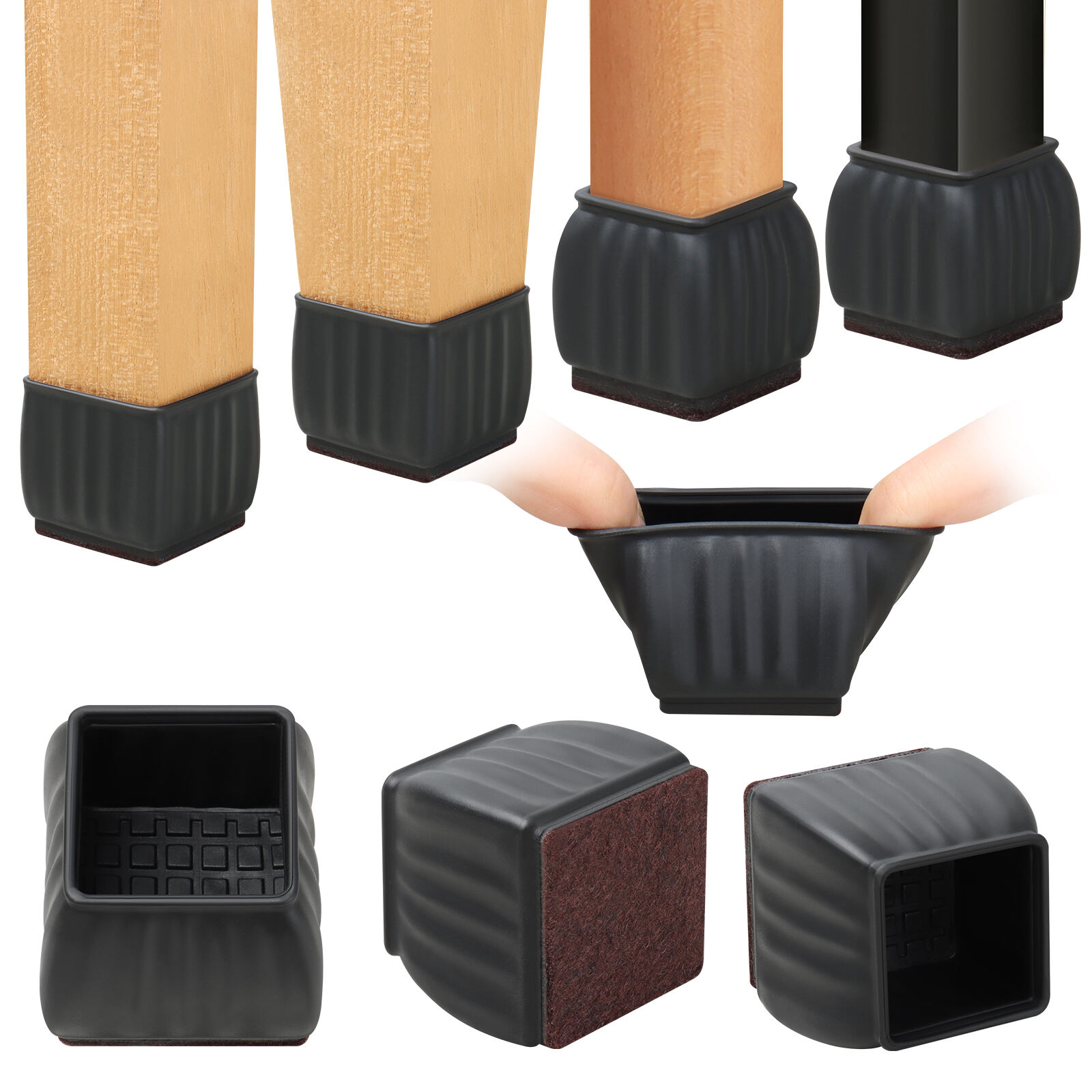
Životnosť podložiek pre nohy stoličky závisí od niekoľkých faktorov údržby, vrátane pravidelných postupov čistenia, periodických kontrolných plánov, správnych techník inštalácie a včasných rozhodnutí o výmene. Rôzne materiály používané v podložkách pre nohy stoličky vyžadujú špecifické prístupy k údržbe – varianty z kremíkového guma, feltu, gumy a plastu sa každý inak reagujú na metódy čistenia a podmienky prostredia. Zavedenie systematického postupu údržby zabezpečuje, že podložky pre nohy stoličky ďalej plnia svoju ochrannú funkciu a zároveň sa predchádza predčasnému opotrebovaniu, ktoré môže viesť k drahým poškodeniam nábytku a podlahy.
Pravidelné čistenie a odstraňovanie nečistôt
Denné postupy čistenia podložiek pre nohy stoličky
Denná údržba začína odstraňovaním voľne uloženého nečistoty, ktorá sa počas bežného používania hromadí na podložkách pre nohy stoličky a okolo nich. Prach, chlpy domácich zvierat, čiastočky jedla a malé predmety sa môžu zapchať do ochranného materiálu, postupne opotrebovávať jeho povrch a znížiť schopnosť podložky hladko sa posúvať po podlahe. Rýchla denná kontrola a čistenie zabraňujú tomu, aby sa táto nečistota hromadila a nestala sa vážnejším problémom údržby, ktorý by vyžadoval intenzívne zásahy.
Pre feltové podložky pre nohy stoličky je účinnou metódou jemné vysávanie pomocou kefky, ktoré odstraňuje povrchovú nečistotu bez poškodenia vlákien materiálu. Silikónové a gumové varianty sa dobre čistia navlhčenou handričkou, čím sa odstránia lepkavé zvyšky a nahromadený prach, ktoré sa s časom môžu ztvrdnúť. Plastové podložky pre nohy stoličky profitujú z suchého kefovania nasledovaného občasným navlhčeným čistením, aby sa udržal ich hladký povrch.
Metódy hlbokého čistenia na predĺženie životnosti
Týždenné hlboké čistenia sa zameriavajú na vniknutý nečistoty a škvrny, ktoré každodenná údržba nemôže účinne odstrániť. Pri podložkách z feltu pre nohy stoličiek ide o opatrné čistenie mäkkou štetkou, aby sa obnovil povrch materiálu a odstránili sa častice zapadnuté do hĺbky. Pohyb štetky by mal sledovať prirodzený smer vlákien feltu, aby sa predišlo trvalému poškodeniu alebo splasnutiu materiálu, čo by znížilo ochranné vlastnosti podložky.
Podložky z kremíkového guma pre nohy stoličiek možno čistiť intenzívnejšie pomocou mierneho mydlíka a mäkkých čistiacich utierok. Tento krok údržby odstraňuje tuky, zvyšky jedla a iné lepkavé látky, ktoré sa hromadia v komerčných aj domácich prostrediach. Po čistení je dôležité podložky dôkladne vysušiť, aby sa zabránilo uchovaniu vlhkosti, ktorá by v priebehu času mohla spôsobiť rast pliesní alebo degradáciu materiálu.
Riešenie konkrétnych problémov so znečistením
Rôzne environmentálne kontaminanty vyžadujú cieľové metódy čistenia, aby sa zabránilo trvalému poškodeniu podstavcov stoličiek. V kuchynskom prostredí vyžadujú tuk a rozliate jedlo okamžitú pozornosť pomocou odmašťovacích prostriedkov vhodných pre konkrétny materiál podstavca. V kanceláriách sa zvyčajne vyskytujú škvrny z atramentu, lepiace zvyšky a rozliate káva, ktoré môžu trvalo zafarbiť alebo poškodiť podstavce stoličiek, ak sa na ne nepodniknú včas opatrenia.
Chemické kontaminácie z čistiacich prostriedkov výrobky , farieb alebo priemyselných látok vyžadujú pred zahájením bežného čistenia špecifické techniky neutralizácie. Pochopte, ktoré čistiace prostriedky sú kompatibilné s rôznymi stoličkové podložky pre nohy materiálmi, aby ste predišli náhodnému poškodeniu, ktoré by mohlo ohroziť ich ochrannú funkciu a vyžadovať predčasnú výmenu.
Inšpekcia a posúdenie poškodenia
Vizuálne inšpekčné techniky a ich frekvencia
Pravidelné vizuálne prehliadky umožňujú včas identifikovať prvé príznaky opotrebovania, ktoré signalizujú, kedy je potrebné vykonať údržbu, aby sa predĺžila životnosť nožičiek stoličky. Mesačné prehliadky sú vhodné pre väčšinu domácich aplikácií, zatiaľ čo komerčné prostredia s intenzívnym používaním nábytku môžu vyžadovať týždenné hodnotenia. Počas týchto prehliadok pozorne sledujte povrchové trhliny, ošúravanie okrajov, stlačeniny alebo zmeny farby, ktoré signalizujú degradáciu materiálu.
Účinná prehliadka zahŕňa zdvihnutie stoličiek, aby sa preskúmali nielen spodné plochy nožičiek stoličky, ale aj oblasti, kde sa tieto nožičky dotýkajú nohy stoličky. Ak sa používajú lepiace sa nožičky, skontrolujte ich priľnavosť a uistite sa, že okraje zostávajú pevne pripevnené bez zvlnenia alebo odlepuvania. Pri nožičkách typu „nasaďovacie“ overte, či zachovávajú správny dosah a nedostávajú sa do voľného pohybu ani nezdvíhajú sa počas bežného pohybu stoličky.
Identifikácia vzorov opotrebovania a problematických oblastí
Porozumenie bežným vzorom opotrebovania pomáha predpovedať, kedy bude potrebné vymeniť podložky pod nohami stoličiek, a riadi preventívne údržbové opatrenia. V oblastiach s vysokou návštevnosťou sa zvyčajne prejavuje zrýchlené opotrebovanie povrchu podložky, ktorý je v kontakte s podlahou, zatiaľ čo nerovnomerné vzory opotrebovania môžu naznačovať problémy s vyrovnaním nôh stoličky alebo nesprávnu inštaláciu, ktoré vyžadujú opravu. Zaznamenávanie týchto vzorov opotrebovania v čase pomáha stanoviť optimálne grafiky výmeny pre rôzne prostredia používania.
Kompresné opotrebovanie sa prejavuje ako trvalé stlačeniny alebo zníženie hrúbky materiálu podložky, najmä viditeľné u podložiek z peny a gumy. Tento typ poškodenia zníži schopnosť podložky tlmiť nárazy a môže vyžadovať skoršiu výmenu, než by sám len povrchový opotreb sa zdal naznačovať. Okrajové opotrebovanie sa zvyčajne prejavuje ako rozvláknenie, praskliny alebo oddelenie materiálu, ktoré sa môžu rýchlo zhoršiť, ak sa na ne neprijmú cieľové údržbové opatrenia alebo výmena.
Skúšky výkonu a posúdenie funkčnosti
Okrem vizuálnej kontroly zabezpečuje funkčné testovanie, že nožičky stoličiek na podlahu ďalej poskytujú primeranú ochranu podlahy a hladký pohyb. Otestujte posúvacie pohyby tak, že stoličky jemne posuniete po rôznych typoch podlahových povrchov, a všimnite si akékoľvek odpor, zachytávanie alebo škrabavé zvuky, ktoré svedčia o opotrebení nožičiek. Správne udržiavané nožičky stoličiek by mali klzť hladko bez zanechávania stôp alebo vytvárania hluku pri bežnom pohybe.
Skontrolujte funkciu stability tak, že na stoličku, na ktorej niekto sedí, pôsobíte jemným tlakom, a uistite sa, že nožičky stoličiek bránia nežiadúcemu posúvaniu alebo posunovaniu. Opotrebované nožičky môžu umožniť nadmerný pohyb, čo ohrozuje bezpečnosť používateľa a zvyšuje riziko poškodenia podlahy spôsobené nekontrolovateľným pohybom stoličky. Táto fáza testovania pomáha určiť, či údržba dokáže obnoviť správnu funkciu, alebo či je potrebná výmena, aby sa zachovala ochranná účinnosť.
Správna inštalácia a umiestnenie
Odporúčané postupy pre počiatočnú inštaláciu
Správna počiatočná inštalácia výrazne ovplyvňuje dlhodobú trvanlivosť a účinnosť nožičkových podložiek pre stoličky. Pred inštaláciou akýchkoľvek nožičkových podložiek dôkladne vyčistite koncové časti nožičiek stoličky, aby ste odstránili nečistoty, olej a zvyšky existujúcich lepidiel, ktoré by mohli brániť správnemu priľnutiu alebo spôsobiť nerovnomerný kontakt s povrchom podlahy. Uistite sa, že nožičky stoličky sú úplne suché a majú izbovú teplotu, aby ste optimalizovali lepiacu schopnosť a pružnosť materiálu.
Výber vhodnej veľkosti hrá kľúčovú úlohu pri úspešnej inštalácii a následných údržbových požiadavkách. Nožičkové podložky pre stoličky by mali úplne zakryť koncové časti nožičiek stoličky bez toho, aby významne presahovali cez obvod nožičky, čo by mohlo spôsobiť zdvíhanie okrajov alebo predčasné opotrebovanie. Pre nastaviteľné alebo rozšíriteľné nožičkové podložky pre stoličky dodržiavajte špecifikácie výrobcu týkajúce sa správnej veľkosti, aby ste zabezpečili optimálny kontaktný tlak a rovnomerné rozloženie opotrebovania po celej ochrannej ploche.
Zarovnanie a optimalizácia kontaktu
Správne zarovnanie počas inštalácie zabraňuje nerovnomernému opotrebovaniu, ktoré skracuje životnosť a účinnosť nožičiek stoličky. Každá nožička by mala ležať dokonale rovnobežne s povrchom podlahy bez naklonenia alebo čiastočného kontaktu, ktorý by sústredil opotrebovanie na konkrétne oblasti. Pri inštalácii použite úrovňu alebo pravítko na overenie správneho zarovnania – to je obzvlášť dôležité pre stoličky, ktoré budú vystavené intenzívnemu používaniu alebo častému presúvaniu.
Rozloženie kontaktného tlaku ovplyvňuje nielen životnosť nožičiek, ale aj účinnosť ochrany podlahy. Nožičky stoličky by mali mať úplný a rovnomerný kontakt s povrchom podlahy bez nadmerného stlačenia, ktoré by mohlo spôsobiť trvalé deformácie. Kontakt overte tak, že pod rôzne časti novou nainštalovaných nožičiek posuniete tenký list papiera – rovnaký odpor v celom rozsahu indikuje správne rozloženie kontaktu, čo zabezpečí rovnomerné opotrebovanie a predĺži životnosť výrobku.
Environmentálne aspekty inštalácie
Teplotné a vlhkostné podmienky počas inštalácie ovplyvňujú dlhodobý výkon podložiek pre stoličky, najmä tých, ktoré sa upevňujú lepiacou metódou. Podložky pre stoličky inštalujte vždy, keď je to možné, pri miernych teplotách v rozsahu 18–24 °C, pretože extrémne teploty môžu ovplyvniť tuhnutie lepidla a pružnosť materiálu. Vyhnite sa inštalácii vo vysokovlhkostných prostrediach, kde by vlhkosť mohla narušiť lepenie alebo spôsobiť predčasné degradácie materiálu.
Pri inštalácii podložiek pre stoličky zvážte konkrétny typ podlahy a povrchovú textúru, pretože rôzne kombinácie vyžadujú upravené techniky inštalácie. Hladké povrchy, ako napríklad polírovaný betón alebo laminát, môžu vyžadovať iné množstvo tlaku počas inštalácie v porovnaní s texturovanými povrchmi, ako sú dlaždice alebo texturovaný vinyl. Porozumenie týmto interakciám pomáha optimalizovať počiatočnú inštaláciu za účelom dosiahnutia maximálnej životnosti a ochranného účinku.
Stratégie údržby špecifické pre materiál
Údržba podložiek pre stoličky z feltu
Feltové podložky pre stoličky vyžadujú špeciálne metódy údržby, ktoré zachovávajú ich vláknitú štruktúru a zároveň udržiavajú ich ochrannú účinnosť. Pravidelné čistenie mäkkou štetkou odstraňuje zabudnutý nečistoty a obnovuje prirodzený povrch feltu, čím sa predchádza splstnutiu, ktoré zníži tlmivé vlastnosti a hladkosť posúvania. Štetkujte v niekoľkých smeroch, aby ste zabezpečili úplné odstránenie nečistôt, avšak vyhýbajte sa príliš intenzívnemu škrabaniu, ktoré by trvalo poškodilo feltové vlákna.
Správa vlhkosti je kritická pre feltové podložky pre stoličky, pretože nadmerná vlhkosť môže spôsobiť zmrštenie, rast pliesní alebo straty lepiacej účinnosti. Ak je čistenie nevyhnutné, použite minimálne množstvo vlhkosti a zabezpečte rýchle vysušenie, aby ste tým predišli týmto problémom. V prostrediach s vysokou vlhkosťou zvážte použitie produktov na absorpciu vlhkosti, aby ste predĺžili životnosť feltových podložiek a udržali ich ochranné vlastnosti v priebehu času.
Údržba podložiek z kaučuku a silikónu
Silikónové a gumové podložky pre nohy stoličiek ponúkajú vynikajúcu trvanlivosť, avšak vyžadujú špecifické postupy údržby, aby sa zabránilo degradácii materiálu a udržala sa ich pružnosť. Tieto materiály reagujú dobre na pravidelné čistenie mierneho mydlového roztoku, ktorý odstraňuje nahromadené oleje a zvyšky, ktoré s časom môžu priťahovať ďalší nečistoty. Vyhnite sa čistiacim prostriedkom na báze ropy, ktoré môžu spôsobiť opuchnutie alebo rozklad gumových zlúčenín.
Údržba s cyklickou zmenou teploty pomáha udržať pružnosť silikónových a gumových podložiek pre nohy stoličiek v prostrediach s výraznými kolískami teplôt. Postupné zmeny teploty lepšie zachovávajú elastickosť materiálu ako rýchle výkyvy teplôt, preto zvážte stratégie environmentálnej kontroly, ktoré minimalizujú extrémne kolísanie teplôt v oblastiach, kde sa tieto podložky intenzívne používajú.
Údržba plastových a kompozitných materiálov
Plastové podložky pre nohy stoličiek profitujú z údržbových postupov, ktoré zabraňujú poškrabaniu povrchu a udržiavajú hladké šmýkacie vlastnosti. Pravidelné čistenie neškrabavými utierkami a vhodnými čistiacimi prostriedkami odstraňuje nečistoty bez vzniku mikroškrabín, ktoré by mohli udržiavať nečistoty a znížiť šmýkaciu výkonnosť. Skontrolujte plastové podložky na prítomnosť napäťových trhliniek alebo poškodení spôsobených nárazom, ktoré sa bez primeranej údržby môžu v priebehu času zhoršovať.
Ochrana pred UV žiarením nadobúda význam pre plastové podložky pre nohy stoličiek v prostrediach s výrazným vystavením slnečnému svetlu, pretože ultrafialové žiarenie môže spôsobiť krehkosť a zmeny farby, ktoré svedčia o degradácii materiálu. Zvážte použitie okenných obkladov alebo stratégií umiestnenia, ktoré znížia priame vystavenie UV žiareniu, aby ste predĺžili životnosť plastových podložiek pre nohy stoličiek v miestach vystavených slnku.
Čas a kritériá pre výmenu
Indikátory výmeny založené na výkone
Určenie optimálneho času výmeny podložiek pre nohy stoličky vyžaduje monitorovanie konkrétnych ukazovateľov výkonu namiesto základu len na vizuálnej kontrole alebo predurčených harmonogramoch. Ak sa podložky stoličky už nepohybujú hladko po podlahových povrchoch alebo začínajú pri bežnom pohybe zanechávať stopy, je potrebná ich výmena bez ohľadu na ich vizuálny stav. Tieto funkčné poruchy naznačujú, že ochranné a pohybové výhody klesli pod prípustnú úroveň.
Merania zníženia hrúbky poskytujú objektívne kritériá pre rozhodovanie o výmene, čo je obzvlášť dôležité pre podložky stoličiek, ktoré závisia od tlmiacich vlastností na ochranu podlahy. Keď sa hrúbka zníži o viac ako 25 % oproti pôvodným špecifikáciám, je zvyčajne potrebná výmena, aby sa zachovala primeraná úroveň ochrany. Pravidelné sledovanie meraní pomáha stanoviť harmonogramy výmeny na základe skutočných rýchlostí opotrebenia namiesto odhadov.
Zváženie bezpečnosti a prevencie poškodení
Bezpečnostné obavy majú prednosť pred inými kritériami výmeny, keď sa nožičky stoličky začnú negatívne odzrkadľovať na stabilitu používateľa alebo ochrane podlahy. Voľné, prasknuté alebo čiastočne oddelené nožičky stoličky predstavujú nebezpečenstvo zakopnutia a môžu spôsobiť náhle pohyby stoličky, ktoré by mohli viesť k pádom alebo zraneniam. Okrem toho nožičky, ktoré už nepretrvávajú poškodenie podlahy, nedokážu plniť svoju hlavnú funkciu a mali by sa vymeniť predtým, než sa stane potrebné drahé opravy podlahy.
Ekonomická analýza času výmeny berie do úvahy nielen náklady na nové nožičky stoličky, ale aj potenciálne náklady na poškodenie podlahy, ktoré opotrebované nožičky nedokážu zabrániť. V väčšine prípadov stojí preventívna výmena stredne opotrebovaných nožičiek stoličky výrazne menej ako oprava poškrabaných drevených podláh, poškodených dlaždíc alebo opotrebovaných vinylových povrchov, ktoré neprimeraná ochrana umožňuje.
Stratégie hromadnej výmeny
Výmena podložiek pre stoličky v kompletných sadách namiesto jednotlivých kusov často poskytuje lepšiu dlhodobú hodnotu a konzistentnejší výkon. Rôznorodý stav podložiek môže spôsobiť nerovnomernú stabilitu stoličky a nekonzistentnú ochranu podlahy, čo potenciálne vedie k zrýchlenému opotrebovaniu novších podložiek, ktoré kompenzujú opotrebované kusy. Výmena v dávkach tiež zabezpečuje konzistentný vzhľad a výkonové charakteristiky všetkých stoličiek v danom priestore.
Plánovanie výmeny v dávkach na základe najviac využívaných stoličiek pomáha optimalizovať časovanie výmeny pre celé sady. Sledujte vzory opotrebovania na stoličkách s najvyšším zaťažením a plánujte výmenu sady, keď tieto intenzívne využívané kusy dosiahnu kritériá pre výmenu. Táto stratégia predchádza nepríjemnostiam a neefektívnosti častých jednotlivých výmen a zároveň udržiava konzistentnú úroveň ochrany.
Často kladené otázky
Ako často by som mal/a čistiť podložky pre stoličky?
Denné odstraňovanie nečistôt a týždenná hlboká čistenie zabezpečujú optimálnu údržbu väčšiny podložiek pre stoličky, hoci v prostrediach s vysokou intenzitou používania (komerčné priestory) môže byť potrebné častejšie čistenie. Podložky z feltu profitujú z jemného denného vysávania, zatiaľ čo podložky zo silikónu a gumy sa mali týždenne utierať vhodnými čistiacimi prostriedkami. Frekvenciu čistenia upravte podľa environmentálnych podmienok a intenzity používania, aby ste udržali optimálnu ochranu a vzhľad.
Aké čistiacie prostriedky sú bezpečné pre rôzne typy podložiek pre stoličky?
Podložky pre stoličky z feltu sa smú čistiť iba suchými metódami alebo s minimálnym množstvom vlhkosti pomocou mierneho mydlíka. Podložky zo silikónu a gumy vydržia mierne prípravky na umývanie a mydlové roztoky, avšak je potrebné sa vyhýbať čistiacim prostriedkom na báze petroleja. Plastové podložky dobre reagujú na bežné domáce čistiacie prostriedky za predpokladu, že nie sú abrazívne. Vždy najskôr otestujte čistiaci prostriedok na nevýraznom mieste, aby ste predišli neočakávaným reakciám materiálu.
Ako poznám, že je potrebné vymeniť podložky pre stoličky?
Výmena podložiek pod nohami stoličky sa vykoná, ak už neprebieha hladko, zanechávajú stopy na podlahách, ich hrúbka klesla o viac ako 25 % alebo sa na nich objavia trhliny a roztrhnutia. Funkčné vlastnosti sú dôležitejšie než vzhľad – ak podložky neposkytujú ochranu podlahy alebo ohrozujú stabilitu stoličky, je ich výmena nevyhnutná bez ohľadu na ich vizuálny stav. Bezpečnostné riziká a nedostatočná ochrana podlahy vyžadujú okamžitú výmenu.
Môže správna údržba skutočne významne predĺžiť životnosť podložiek pod nohami stoličky?
Áno, správna údržba môže predĺžiť životnosť podložiek pod nohami stoličky dvojnásobne alebo dokonca trojnásobne v porovnaní s nepoužívanými podložkami. Pravidelné čistenie bráni hromadeniu abrazívneho odpadu, ktorý zrýchľuje opotrebovanie, zatiaľ čo správna inštalácia a riadenie prostredia znižujú faktory namáhania spôsobujúce predčasné zlyhanie. Systémové postupy údržby zvyčajne predĺžia životnosť podložiek od niekoľkých mesiacov na niekoľko rokov, čím poskytnú významné úspory nákladov a spoľahlivú ochranu podlahy po celú dobu predĺženej prevádzky.


