
 EN
EN
 AR
AR
 BG
BG
 HR
HR
 CS
CS
 DA
DA
 NL
NL
 FI
FI
 FR
FR
 DE
DE
 EL
EL
 HI
HI
 IT
IT
 JA
JA
 KO
KO
 NO
NO
 PL
PL
 PT
PT
 RO
RO
 RU
RU
 ES
ES
 SV
SV
 CA
CA
 TL
TL
 IW
IW
 ID
ID
 LT
LT
 SR
SR
 SK
SK
 SL
SL
 UK
UK
 VI
VI
 HU
HU
 TR
TR
 AF
AF
 MS
MS
 GA
GA
 LA
LA
 MN
MN

Hur ofta bör du byta ut fotplattor för en stol som används mycket på matsalen?
Matsalsstolar utsätts för ständig användning både i bostadsmiljöer och kommersiella miljöer, vilket gör underhållet av deras skyddskomponenter avgörande för att bevara golv och förlänga möblernas livslängd. Hur ofta man behöver byta ut stolens fotplattor beror på flera sammanlänkade faktorer, inklusive användningsintensitet, materialuppbyggnad, golvyttyp och miljöförhållanden. För att fastställa den optimala bytefrekvensen för matsalsstolar som används intensivt krävs en analys av slitage mönster, indikationer på försämrad prestanda samt de specifika krav som ställs på dessa skyddskomponenter i högtrafikerade miljöer.
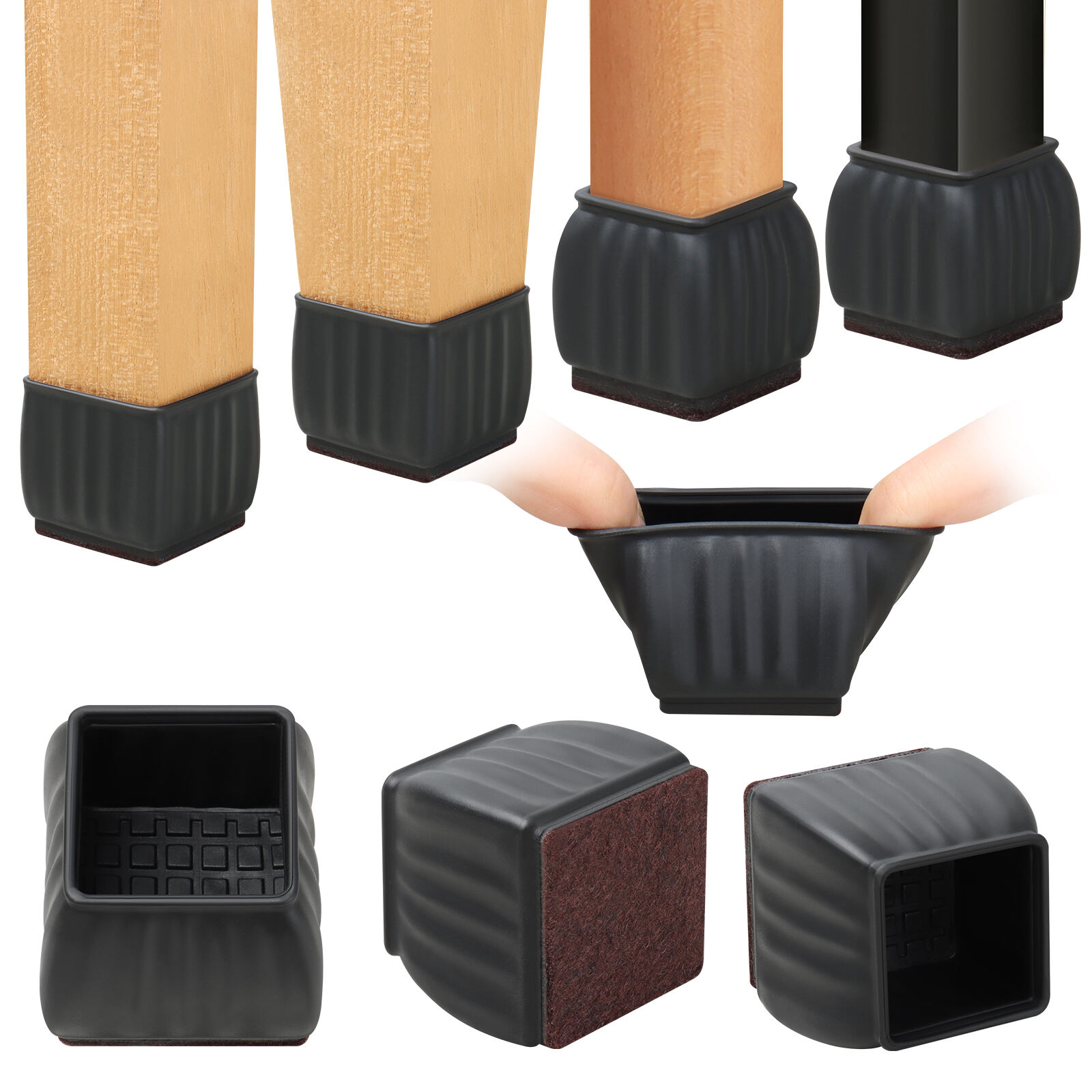
Intensiv användning accelererar kraftigt slitagehastigheten för stolsfötter jämfört med lätt boendeapplikationer. Stolar i restauranger, mötesrum och familjematbord i stora hushåll utsätts för avsevärt fler rörelsecykler per dag, vilket skapar friktion, tryck och materialtrötthet som kräver mer frekventa utbytesintervall. Frågan om när utbyte ska ske handlar slutligen om att bibehålla tillräcklig golvskydd samtidigt som skador undviks – skador som uppstår när slitna fötter inte längre utför sin avsedda funktion.
Förstå slitemönster i högtrafikerade matsalssituationer
Definiera kontexten för intensiv användning
Intensiv användning av matsalsstolar innebär vanligtvis mer än femton rörelsecykler per dag, där varje cykel inkluderar att dra ut stolen, applicera sittvikt, göra mindre justeringar av positionen och skjuta tillbaka stolen på plats. I kommersiella matsalar kan antalet cykler per stol uppgå till femtio–hundra per dag, medan mycket använt hushållsmatsal med stora familjer eller regelbundna middagsbjudningar kan se tjugo–fyrtio cykler. Dessa upprepade rörelser skapar en konstant belastning på fotstöd , vilket leder till gradvis materialförslitning genom slitage, tryckdeformation och kantförslitning. Den ackumulerade effekten av intensiv användning innebär att skyddspad dar utsätts för flera månaders normal slitage inom bara några veckor.
Kommersiella restaurangmiljöer utgör den mest krävande miljön för stolsfötter, där kontinuerlig drift under öppettid skapar extrema slitageförhållanden. Snabbmatsrestauranger med hög bordsväxlingsfrekvens ställer särskilt stora krav på stolkomponenter, eftersom servitörer och gäster ständigt omplacerar stolarna. Kombinationen av frekvent rörelse, varierande användarvikter och möjligheten att dra istället för att lyfta skapar ett slitageprofil som skiljer sig väsentligt från bostadsmiljöer. Materialval för dessa applikationer måste ta hänsyn till accelererade nedbrytningsperioder.
Indikatorer på materialnedbrytning
Stolsfötter med gummibeleck visar specifika synliga och taktila indikationer när de närmar sig slutet av sin effektiva livslängd. Filtbeleck visar tunnning, sammanpressning och fransning längs kanterna, där de komprimerade fibrerna förlorar sina dämpande egenskaper och avslöjar den klibbade botten eller stolens benmaterial. Silikon- och gummiplattor utvecklar ytspår, revor längs kanterna och förhårdning på grund av upprepad kompression, medan deras greppminskar när plastifieringsmedel migrerar ur materialet. Dessa nedbrytningsindikationer signalerar en minskad förmåga att skydda golvytan samt en ökad risk för repor eller skador på ytan.
Övergången från funktionell till otillräcklig skyddsfunktion sker ofta gradvis, vilket gör regelbunden inspektion avgörande för att bibehålla golvets integritet. Komprimerade stolsfötter förlorar tjocklek, vilket minskar den skyddande barriären mellan hårda stolsben och golvytan. Slitage vid kanterna skapar skarpa gränser som kan fastna i golvbeläggningens yta, medan fullständig lossning av fodret avslöjar blottat metall- eller trämaterial som orsakar omedelbar skada. Genom att övervaka dessa progressiva förändringar kan anläggningsansvariga och hemägare genomföra utbyte innan kostsamma golvreparationer blir nödvändiga.
Faktorer som påverkar utbytesperioden för intensivt använda stolar
Materialtyp och förväntad hållbarhet
Olika material för stolsfötter ger mycket olika förväntade livslängder vid intensiv användning. Standardklistrade filtplattor kräver vanligtvis utbyte vartannat till var fjärde vecka i kommersiella restaurangmiljöer, eftersom deras fibriga struktur komprimeras och slits upp genom snabb abrasion. Premiumfiltformuleringar med tätare fiberkonstruktion kan förlänga denna period till sex till åtta veckor, även om kraftigt dragning istället för lyftning accelererar slitage oavsett kvalitetsnivå. Filt är fortfarande populärt för dess smidiga glidning, men kräver de flesta utbyten bland vanliga material.
Silikonfötter för stolar ger i allmänhet längre serviceintervall och håller vanligtvis två till fyra månader vid intensiv kommersiell användning tack vare sin överlägsna tryckmotstånd och materialhållbarhet. Thermoplastiska gummifötter ligger mellan filt och silikon vad gäller hållbarhet och erbjuder ungefär sex till tio veckors drift under krävande förhållanden. Hårda plastglidfötter har längst utbytesintervall, fyra till sex månader vid intensiv användning, även om de ger mindre golvpolstring och kan orsaka bullerproblem. Materialvalet avgör i grunden underhållsschemat och långsiktiga kostnadsöverväganden för anläggningsansvariga.
Överväganden kring kompatibilitet med golvytan
Det specifika golvmaterial som ligger under matsalsstolarna påverkar i hög grad hur snabbt stolsfötterna slits och hur ofta utbyte blir nödvändigt. Parkettgolv med polyuretanbeläggning ger en måttlig friktion som sliter bort filtstolar relativt snabbt, medan silikonskivor glider smidigt med minimal materialförlust. Strukturerade kakel- och stengolv med fogar ökar den abrasiva slitagehastigheten för alla typer av stolsfötter och kan potentiellt minska livslängden med trettio till fyrtio procent jämfört med släta ytor. Vinyl- och laminatgolv ger en måttlig slitagepåverkan, men skador kan bli mer synliga på golvytan när stolsfötterna slutar fungera.
Betonggolv i industriella matsalar eller kommersiella utrymmen skapar den hårdaste slitagemiljön för stolsfötter, vilket kräver premiummaterial och frekventa inspektionscykler. Den grova ytexturen sliter snabbt bort skyddande material, medan den omedgörliga hårdheten ökar tryckkrafterna, vilket accelererar materialtrötthet. Anläggningsskötare som arbetar med betongunderlag bör förvänta sig utbytesintervall vid den kortare änden av materialspecifikationerna, vilket potentiellt innebär att införa inspektionsrutiner vartannat vecka, även för slitstarka silikonsammansättningar. Att anpassa fodermaterialet till golvtypen optimerar både skyddsprestanda och utbytesekonomi.
Påverkan av användningsmönster på utbytesplanering
Sättet att flytta stolar påverkar livslängden för stolens fotplattor lika mycket som den totala rörelsefrekvensen. Stolar som konsekvent lyfts och placeras genererar minimal laterell slitagepåverkan från friktion, vilket gör att fotplattorna främst fungerar som kuddande element med en förlängd livslängd. Å andra sidan utsätts stolar som dras över golvytor för maximalt abrasivt slitage, där friktionskrafterna genererar värme och materialförskjutning, vilket dramatiskt förkortar utbytesintervallen. Att utbilda personal och hushållsmedlemmar i korrekt hantering av stolar kan förlänga livslängden för fotplattorna med femtio procent eller mer i många situationer.
Viktfördelningsmönster påverkar också slitagehastigheten, eftersom stolar som utsätts för ojämn belastning utvecklar asymmetrisk skivdegradering. Måltidsstolar placerade vid bordens hörn används ofta oftare än stolar vid mitten av sidorna, vilket skapar varierande utbytesbehov inom en och samma möbeluppsättning. I kommersiella verksamheter kan det vara nödvändigt att införa protokoll för positioneringsrotation eller acceptera blandade utbytesplaner där stolar i högtrafikerade områden får nya skivor oftare. Att övervaka den enskilda stolen istället for att tillämpa generella utbytesplaner förbättrar golvskyddet samtidigt som underhållsresurserna används effektivare.
Införande av effektiva utbytesprotokoll
Inspektionsfrekvens och bedömningskriterier
Att etablera regelbundna kontrollrutiner utgör grunden för effektiv underhåll av stolsfötter i miljöer med hög användning. I kommersiella anläggningar bör veckovisa visuella kontroller genomföras under lugnare tider, där varje stol undersöks på säkerheten i fästningen av fotplattorna, synliga slitageindikatorer och förändringar i hur fotplattorna kontaktar golvet. I privatboende med hög användning är det fördelaktigt med kontroller vartannat vecka, särskilt i hushåll med barn eller där man ofta har gäster. Dessa kontroller tar endast några minuter per stol, men förhindrar skador på golvytan som uppstår när skyddskomponenterna slutar fungera helt.
Effektiva bedömningskriterier inkluderar mätning av återstående packnings tjocklek, kontroll av kantintegritet, provning av limfästningshållfasthet och utvärdering av förändringar i materialstruktur. Packningar som är slitna till mindre än femtio procent av ursprunglig tjocklek kräver omedelbar utbyte oavsett andra faktorer. Lösa packningar som förflyttas vid normal stolsrörelse kräver återlimning eller utbyte för att förhindra veckbildning som leder till ojämn golvkontakt. Förhårdnade eller spruckna material som har förlorat sina kuddande egenskaper ger inte längre tillräcklig skyddsfunktion, även om de är fysiskt intakta. Utveckling av standardiserade bedömningschecklistor säkerställer konsekvent utvärdering bland flera inspektörer eller familjemedlemmar.
Förhindrande utbyte jämfört med reaktiv underhåll
Att införa schemalagda byte av fotplattor baserat på förväntad materialtjänstliv ger betydande fördelar jämfört med att vänta tills fotplattorna på stolen helt har slutat fungera. Schemalagda byte vart fjärde till sjätte vecka för intensivt använda stolar med filtplattor förhindrar att golv skaver och att ytskiktet skadas under den sista nedbrytningsfasen. Detta proaktiva tillvägagångssätt eliminerar nödrepairs och möjliggör köp av ersättningsplattor i stora partier till bättre styckpriser. Underhållspersonalen kan utföra byten under lediga timmar utan att störa verksamheten, medan privatpersoner kan samordna byten med sina regelbundna städningsscheman.
Reaktiva underhållsstrategier som endast byter ut fodral efter synlig felaktighet eller golvskador leder till högre totala kostnader genom reparationer och brådskande ersättningsköp. De skrapor på golvet som orsakas av trasiga stolsfodral kräver ofta professionell polering, vilket kan kosta hundratals gånger mer än förebyggande utbyte av fodral. Kommersiella verksamheter riskerar kundmissnöje på grund av försämrad golvyta, medan bostadssituationer står inför minskat hem värde på grund av förhindrabar skador. Ekonomiken för förebyggande underhåll stödjer tydligt schemalagda utbyten framför reaktiva åtgärdsstrategier i situationer med intensiv användning.
Fördelar med gruppvis utbytesstrategi
Att byta ut fotplattor på stolarna på alla kraftigt använda matsalsstolar samtidigt ger operativa och ekonomiska fördelar, trots att det kräver en högre initial arbetsinsats. Genom att byta ut dem samtidigt upprättas en konsekvent skyddsnivå för alla sittplatser, vilket eliminerar den gradvisa försämringen av prestanda som uppstår vid stegvis byte av enskilda plattor. Att köpa kompletta sett i stället för enskilda plattor minskar vanligtvis styckkostnaderna tack vare volymrabatter, medan installation i batch minimerar upprepade inställnings- och rengöringsaktiviteter. Anläggningsansvariga kan schemalägga omfattande byte under stängda tider, vilket undviker störningar från delad underhållsverksamhet.
Partiell utbyte förenklar även lagerhanteringen och minskar den administrativa belastningen som är kopplad till spårning av underhållshistoriken för enskilda stolar. Att standardisera på specifika mått och material för fodringar på alla stolar förenklar inköpsbesluten och säkerställer konsekventa egenskaper vad gäller golvskydd. Den synkroniserade schemaläggningen skapar tydlig ansvarsfördelning för slutförandet av underhållet och ger uppenbara jämförelsepunkter vid utvärdering av olika fodringsmaterial eller leverantörer. Även om enskilda stolar inte nödvändigtvis kräver utbyte med exakt samma intervall, överväger de praktiska fördelarna med partiellt utbyte ofta den teoretiska optimeringen av att byta ut varje stol precis när det behövs.
Materialval för förlängd driftstid
Högpresterande formuleringar av fodringar
Avancerade material för stolsfodringar, utvecklade särskilt för intensiv kommersiell användning, erbjuder betydligt längre utbytesintervall jämfört med standardmaterial av konsumentklass produkter kommerciella silikonskivor har högre hårdhetsbeteckning och förstärkt konstruktion som motstår kompressionsdeformation och kantnötning under krävande förhållanden. Dessa premiumformuleringar kostar vanligtvis fyrtio till sextio procent mer än standardprodukter, men ger en livslängd som är hundra till tvåhundra procent längre, vilket skapar fördelaktiga ekonomiska förutsättningar för applikationer med intensiv användning. Materialspecifikationerna bör uttryckligen ange kraven på kommersiell hållbarhet i stället för att anta att produkter av bostadsgrad kommer att fungera tillfredsställande.
Hybrida fodermönster som kombinerar filtglidytor med gummibaser eller silikonbaser ger prestandafördelar i specifika applikationer. Filtlagret ger smidig, tyst rörelse medan den elastiska basen bibehåller golvkuddering och limhållning under längre användningsperioder. Dessa sammansatta konstruktioner löser problemet med snabb slitning av filt samtidigt som önskvärda glidegenskaper bevaras. Vissa avancerade modeller inkluderar utbytbara filtlock som möjliggör återanvändning av baskomponenten, vilket minskar materialavfall och långsiktiga kostnader. En bedömning av totala ägarkostnader snarare än inköpspris vid köp avslöjar värdet av premiummaterial för kontorsstolsfoder.
Måttekniska överväganden för tunga stolar
Stolens fotplattors dimensioner påverkar i betydande utsträckning livslängden vid intensiv användning, där större kontaktytor sprider krafterna över större områden för att minska trycket och slitagehastigheten. Standardrunda plattor med en tum i diameter koncentrerar ungefär hundratals pund per kvadrattum tryck under typiska laster för matsalsstolar, medan större plattor med en och en halv tum minskar detta till cirka fyrtiofem pund per kvadrattum. Denna minskning av trycket översätts direkt till en förlängd materiallivslängd och förbättrad golvskydd. Tunga trämatstolar drar särskilt nytta av plattor med överskridande mått.
Fyrkantiga fotplattor för stolar erbjuder fördelar jämfört med runda designen i tunga kommersiella applikationer genom att ge mer konsekvent stöd från kant till kant och minska punktbelastningen som uppstår när runda plattor roterar lätt under användning. Den ökade ytan hos fyrkantiga designen fördelar vikten jämnare, medan hörngeometrin förhindrar rullning som kan lösa upp limförbindelser. För stolben med fyrkantig eller rektangulär tvärsnittsform optimerar matchning av plattans geometri till benets form kontakt och vidhäftning. Måtthantering mellan stolbens storlek och plattans specifikationer säkerställer maximal materialutnyttjning och livslängd.
Kostnadsanalys och underhållsekonomi
Beräkningar av direkta ersättningskostnader
Att förstå den verkliga ekonomiska påverkan av utbyte av stolsfötter i miljöer med hög användning kräver en omfattande kostnadsanalys, inklusive material, arbetsinsats och undvikta kostnader för golvskador. Kommersiella silikonskivor kostar vanligtvis mellan en och tre dollar per stol för ett komplett set med fyra skivor, medan premiumfiltalternativ ligger mellan femtio cent och en dollar femtio cent per stol. Arbetskostnaderna för utbyte varierar mellan fem och femton minuter per stol, beroende på kraven för borttagning av lim och installatörens erfarenhet. En restaurang med fyrtio matsalsstolar som byter ut silikonskivorna kvartalsvis investerar alltså ungefär tvåhundra till fyrahundra dollar årligen i material och arbetsinsats.
Att jämföra denna underhållsinvestering med potentiella kostnader för golvreparation visar på en överväldigande ekonomisk motivering för regelbundna utbytesprotokoll. Polering av trägolv i kommersiella lokaler kostar vanligtvis fyra till åtta dollar per kvadratfot, vilket innebär att restaurering av ett matsalområde på tusen kvadratfot kräver fyra- till åttatusen dollar för fullständig återställning. Även mindre skadereparationer, som kräver lokal polering, kostar hundratals dollar per incident. Den årliga investeringen i stolsfötter utgör mindre än fem procent av kostnaden för en enda golvpolering, vilket gör förebyggande utbyte till en av de mest kostnadseffektiva underhållsaktiviteterna för anläggningar.
Jämförelse av långsiktig materialprestanda
Att utvärdera olika material för stolsfötter under längre tidsperioder avslöjar prestanda- och kostnadsförhållanden som inte nödvändigtvis framträder vid korttidsprovning. Filtpåsar som måste bytas ut vart fjärde vecka vid intensiv användning innebär tretton utbyten per år till cirka sextio cent per stol per utbyte, vilket totalt motsvarar ungefär sju dollar och åttio cent per stol per år. Siliconpåsar som byts ut kvartalsvis till två dollar per utbyte kostar årligen åtta dollar med betydligt mindre arbetsinsats på grund av färre utbyten. Hårda plastglidare som endast behöver bytas ut två gånger per år till liknande styckpriser minskar de årliga materialkostnaderna, men kan öka slitage på golvbeläggningen och leda till fler klagomål angående buller.
Beräkningar av totala ägandekostnader måste också ta hänsyn till kvaliteten på golvskyddet som olika material erbjuder under deras livslängd. Filtpåsar för stolsfötter ger överlägsen skydd för golvytan under den första halvan av deras användningsperiod, men försämras snabbt i effektivitet när kompression och slitage ökar. Silikon bibehåller en mer konsekvent skyddsnivå under hela sin användningsperiod, vilket minskar risken för skador under de sista veckorna innan planerad utbyte. Denna prestandakonsekvens ger ytterligare värde utöver enbart ekonomiska överväganden kring utbytesfrekvens, särskilt i miljöer där golvytans utseende direkt påverkar kunduppfattningen och företagets rykte.
Lagerhantering och köp i stora kvantiteter
Effektiva strategier för inköp av fotplattor till stolar utnyttjar partiköp för att minska styckkostnaden samtidigt som en tillräcklig lagermängd bibehålls för schemalagda och akuta utbyten. Kommersiella verksamheter bör ha lagermängder som täcker två fullständiga utbytescykler plus tio procent reserv för oväntade behov eller skadade stolar. Volyminköp av 100–500 set fotplattor ger vanligtvis rabatter på 20–35 procent jämfört med småkvantitetspriser i detaljhandeln. Förhandling av årliga leveransavtal med distributörer kan säkra ytterligare prisfördelar samtidigt som konsekventa produktspecifikationer och tillgänglighet garanteras.
Att standardisera utförandet av fodrar för all möbel i anläggningen förenklar lagerhanteringen och minskar det arbetande kapitalet som är bundet i underhållsartiklar. Istället för att lagra flera olika typer av fodrar för olika stolsmodeller minimerar valet av en universell storlek och fästmetsod som passar nittiofem procent av stolarna komplexiteten. Denna standardisering underlättar också snabbare utbyte, eftersom underhållspersonalen inte behöver kontrollera kompatibilitet innan installationen. Den lilla prestandakompromissen med universell storlek vägs i allmänhet upp mot de operativa effektivitetsvinsterna och minskningarna av lagerkostnader i kommersiella miljöer med flera stolar.
Vanliga frågor
Hur vet jag när stolsfodrar behöver bytas ut istället for att bara rengöras?
Stolsfötter kräver utbyte när materialtjockleken minskat med mer än hälften, kanterna visar fransning eller sprickor, limmet inte längre håller fästet säkert, eller om fodrets yta har blivit förhårdad och förlorat sina dämpande egenskaper. Rengöring kan återställa utseendet, men kan inte återställa kompression, materialtrötthet eller strukturell försämring. Om du ser exponerat stolsbensmaterial genom slitna områden eller märker ökad ljudnivå vid stolens rörelse är utbyte nödvändigt oavsett hur ren ytan är.
Kan jag förlänga livslängden för stolsfötter på starkt använda matsalsstolar genom några underhållsåtgärder?
Att träna användare att lyfta istället för att dra stolar förlänger betydligt livslängden för fodralen genom att minska slitage orsakat av friktion. Periodisk rotation av stolarnas position kan sprida slitage jämnare över ett matsalsset. Att hålla golvrena och fria från slipande smuts förhindrar snabbare försämring av fodralen. Dessa åtgärder kan dock endast moderera förlängningen av serviceintervallen snarare än helt eliminera behovet av utbyte i miljöer med verkligt intensiv användning. Materialval som är lämpligt för användningsintensiteten förblir den mest effektiva strategin för att hantera utbytesfrekvensen.
Finns det varningssignaler som indikerar att stolfotfodralen har slutat fungera och skadar mina golv?
Fina parallella repor i golvbeläggningen indikerar att skyddspadarna slitits igenom och att stolenas benmaterial direkt nuddar ytan. Ökad ljudnivå vid rörelse av stolen signalerar ofta att padarna har slutat fungera, eftersom dämpande material inte längre absorberar stötar och friktionsljud. Synliga padfragment eller limrester på golvet tyder på att padarna lossnat och behöver omedelbart bytas ut. Svarta skavmärken som plötsligt dyker upp där stolarna står kan indikera att gummipadarna försämrats. Alla dessa tecken kräver omedelbar undersökning och utbyte för att förhindra ytterligare skador på golvet.
Påverkar stolenas vikt hur ofta fotpadarna behöver bytas ut?
Tyngre stolar genererar högre tryckkrafter som accelererar slitaget på polstermaterial och minskar livslängden med cirka tjugo till fyrtio procent jämfört med lättviktiga stolar vid liknande användningsmönster. Fastträdsätande stolar för matsal som väger femton till tjugo pund skapar mer krävande förhållanden än metall- eller kompositstolar som väger åtta till tolv pund. Att kombinera tung stolskonstruktion med hög användarvikt förstärker ytterligare slitagehastigheten. Anläggningar med omfattande antal trädstolar för matsal bör förvänta sig utbytesintervall vid den kortare änden av materialspecifikationerna och överväga premiumpolsterformuleringar som är utformade för högbelastade applikationer.


