
 EN
EN
 AR
AR
 BG
BG
 HR
HR
 CS
CS
 DA
DA
 NL
NL
 FI
FI
 FR
FR
 DE
DE
 EL
EL
 HI
HI
 IT
IT
 JA
JA
 KO
KO
 NO
NO
 PL
PL
 PT
PT
 RO
RO
 RU
RU
 ES
ES
 SV
SV
 CA
CA
 TL
TL
 IW
IW
 ID
ID
 LT
LT
 SR
SR
 SK
SK
 SL
SL
 UK
UK
 VI
VI
 HU
HU
 TR
TR
 AF
AF
 MS
MS
 GA
GA
 LA
LA
 MN
MN

Hangi sandalye ayak pedleri, fayans zeminlerdeki ofis sandalyeleri için en iyi gürültü azaltma özelliğini sunar?
Fayans zeminlerdeki ofis sandalyeleri için doğru sandalye ayak pedlerini seçmek, farklı malzemelerin ve tasarımların gürültü azaltma zorluklarına nasıl çözüm sunduğunu anlamayı gerektirir. Fayans yüzeyler, sandalye ayakları sert zemin malzemesine sürtünürken, sürüklenirken veya çarparken akustik sorunlara neden olur ve bu da işyeri verimliliğini ile konforu olumsuz etkileyen rahatsız edici sesler üretir. Sandalye ayak pedlerinin etkinliği, malzeme bileşimi, kalınlığı, temas yüzey alanı ve aynı zamanda sandalyenin dengesini korurken titreşimleri emme yeteneğine bağlıdır.
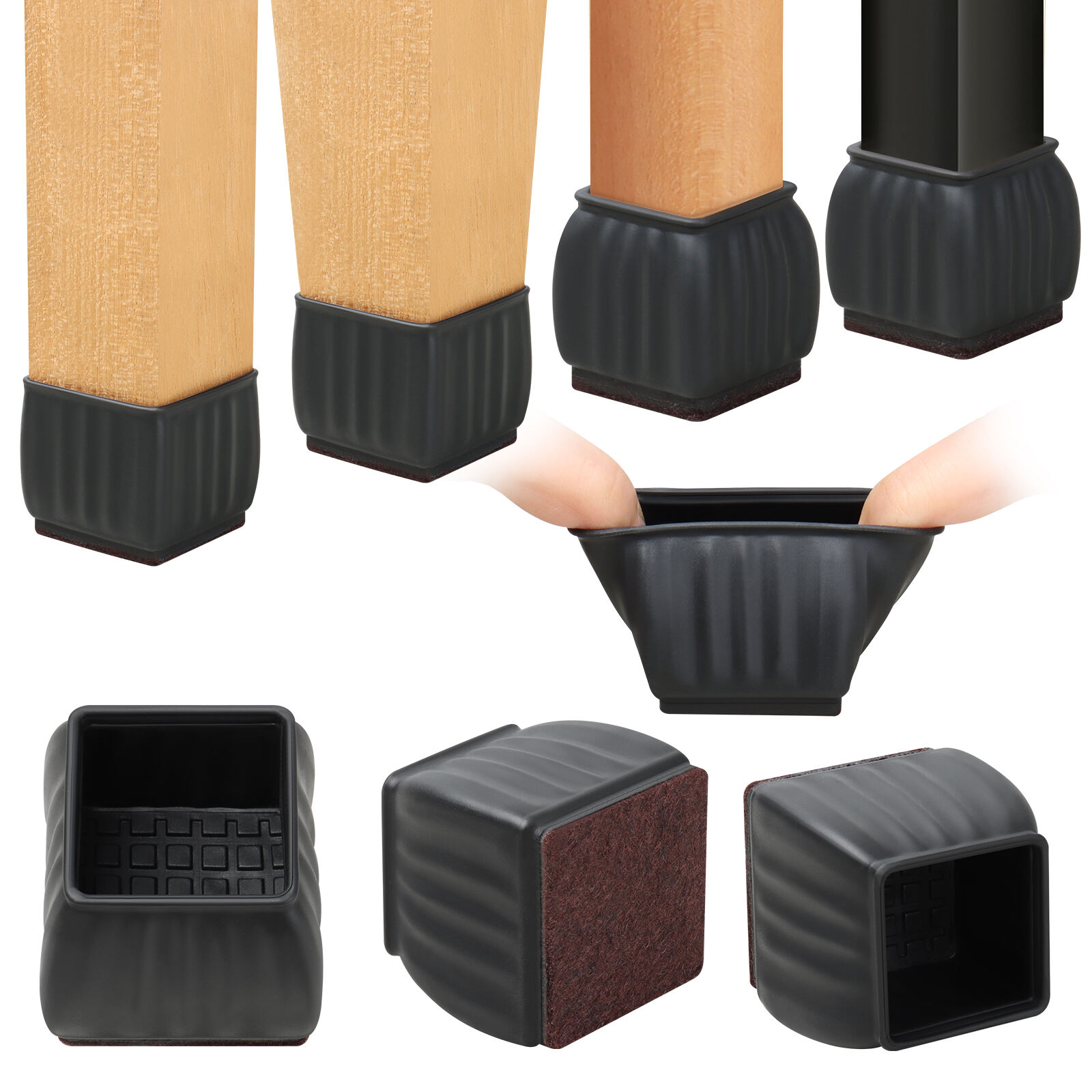
Karo döşemeli ofis ortamları, sert yüzey uygulamaları için özel olarak tasarlanmış sandalye ayak pedleri gerektiren benzersiz akustik zorluklar sunar. Gürültü azaltma etkinliğini belirleyen temel faktörler, ped malzemesinin ses yalıtım özelliklerini, sandalye ayakları ile karo arasındaki bir tampon oluşturabilme tasarım özelliğini ve pedin temas yüzeyi boyunca ağırlığı eşit şekilde dağıtma kapasitesini içerir. Bu özelliklerin anlaşılması, tesis yöneticilerinin ve ofis çalışanlarının karo zeminlerde optimal gürültü azaltma performansı sağlayan sandalye ayak pedlerini seçmelerine yardımcı olur.
Malzeme Türleri ve Gürültü Azaltma Özellikleri
Karo Uygulamaları İçin Silikon Sandalye Ayak Pedleri
Silikon sandalye ayak pedleri, içsel titreşim sönümleme özelliklerine ve esnek malzeme özelliklerine sahip olmaları nedeniyle fayans zeminlerde gürültü azaltımında üstün performans gösterir. Silikonun moleküler yapısı, bu pedlerin darbe enerjisini emmesine ve sandalye hareketinden kaynaklanan mekanik titreşimlerin fayans yüzeye iletilmesini engellemesine olanak tanır. Bu emme yeteneği, korunmamış sandalye ayaklarının sert zeminlerde oluşturduğu sürtünme seslerini, tıklatma gürültülerini ve darbe kaynaklı rahatsızlıkları önemli ölçüde azaltır.
Silikon sandalye ayak pedlerinin dayanıklılığı, sandalyelerin iş günü boyunca sık sık hareket ettiği yüksek yoğunluklu ofis ortamları için özellikle uygundur. Sürekli yük altında kalınca kalıcı olarak sıkışan daha yumuşak malzemelerin aksine, silikon uzun süre boyunca orijinal şeklini ve gürültü azaltma özelliklerini korur. Malzemenin sıcaklık değişimlerine ve kimyasal etkilere karşı direnci, iklimlendirilmiş ofis ortamlarında ve fayans zemin sistemlerinde tutarlı bir performans sağlamasını garanti eder.
Silikon sandalye ayak pedleri, çoğu tasarımın kaydırma veya yapışkanlı takma yöntemlerini içererek çeşitli sandalye ayak boyutlarına uyum sağlayabilmesi nedeniyle kurulum kolaylığı açısından başka bir avantaj sunar. Malzemenin tutma özellikleri, pedlerin normal sandalye kullanımı sırasında kaymasını veya ayrılmasını önler ve fayans zeminler için sürekli gürültü azaltma korumasını sağlar.
Ses Yutuculuğuna Yönelik Keçe Tabanlı Çözümler
Keçe sandalye ayak pedleri, akustik enerjiyi fayans yüzeyine ulaşmadan önce yakalayıp dağıtan lifli yapısı sayesinde üstün ses yutma özelliklerine sahiptir. Yoğun lif matrisi, ses dalgalarının iletimini kesen çok sayıda hava cepesi oluşturur; bu da sandalye hareketi sırasında duyulur derecede azaltılmış gürültü seviyelerine neden olur. Yüksek kaliteli keçe malzemeleri, ofis sandalyeleri uygulamaları için yeterli dayanıklılığı sağlarken akustik özelliklerini korur.
Köpükten yapılmış sandalye ayak pedleri için kalınlık, gürültü azaltma etkinliğiyle doğrudan ilişkilidir; çünkü daha kalın malzemeler daha yüksek ses emme kapasitesi sağlar. Ancak aşırı kalınlık, sandalyenin dengesizliğine neden olabilir; bu nedenle akustik performans ile pratik işlevsellik arasında bir denge kurulması gerekir. Kaliteli köpük pedler genellikle 3 mm ile 8 mm arasında kalınlığa sahiptir ve sandalyenin kullanımını zorlaştırmadan optimal gürültü azaltma sağlar.
Köpük malzemeler, döküntüler veya temizlik faaliyetleri nedeniyle sıvı temasına maruz kalabileceği ofis ortamlarında nem direnci özelliklerini göz önünde bulundurmayı gerektirir. sandalye ayak yastıkları nem dirençli kaplamalarla işlenmiş köpük malzemeler, fayans zeminlerde ara sıra oluşan nemli koşullara maruz kaldıklarında bile yapısal bütünlüklerini ve gürültü azaltma yeteneklerini korurlar.
Lastik Kompozit Tasarımlar
Kauçuk tabanlı sandalye ayak pedleri, pürüzsüz fayans yüzeylerinde sandalyenin kaymasını önleyen geliştirilmiş tutunma özelliklerini mükemmel gürültü azaltma özellikleriyle birleştirir. Kauçuk malzemelerin elastik özellikleri, sandalye ağırlığını desteklemek için yeterli sertliği korurken etkili titreşim yalıtımı sağlar; bu da aşırı sıkışmayı önler. Bu denge, gürültü kontrol uygulamaları için sandalye ayakları ile fayans zemin arasında ideal bir arayüz oluşturur.
Gelişmiş kauçuk kompozitleri, hem gürültü azaltma hem de dayanıklılık özelliklerini optimize eden çoklu yoğunluk katmanlarını içerir. Daha yumuşak temas katmanı akustik susturma sağlarken, daha sert alt tabaka malzemeleri tekrarlayan yüklenme döngüleri altında yapısal kararlılığı ve uzun ömürlülüğü garanti eder. Bu katmanlı yaklaşım, fayans zeminlerde uzun vadeli performansı korurken gürültü azaltma etkinliğini maksimize eder.
Kaliteli kauçuk sandalye ayak pedleri, fayans zeminlerde yaygın olarak kullanılan temizlik kimyasallarına karşı bozulmaya karşı koruma sağlar. Bu direnç, tutarlı gürültü azaltma performansını garanti eder ve akustik etkinliği tehlikeye atabilecek veya ofis zemin sistemlerinde kalıntı oluşturabilecek malzeme parçalanmasını önler.
Gürültü Azaltmayı Artıran Tasarım Özellikleri
Yüzey Alanı ve Temas Dağıtımı
Sandalye ayak pedlerinin temas yüzey alanı, sandalye ağırlığını daha geniş bir arayüz bölgesi boyunca dağıtarak fayans zeminlerde gürültü azaltma etkinliğini önemli ölçüde etkiler. Daha geniş ped tasarımları, fayans yüzeyiyle daha fazla malzeme teması oluşturur; bu da akustik sönümleme kapasitesini artırır ve sandalye hareketi sırasında tıklatma veya vurma seslerine neden olabilecek nokta basıncını azaltır. Çapı 25 mm’yi aşan kare ve yuvarlak ped yapıları, genellikle daha küçük tasarımlara kıyasla üstün gürültü azaltma sağlar.
Kenar tasarımı özellikleri, sandalye ayak pedleri ile fayans derz hatları ve yüzey düzensizlikleri arasındaki etkileşimi etkiler. Pahlı veya yuvarlatılmış kenarlar, fayans yüzeyleri üzerinde pürüzsüz hareketi korurken derz birleşimlerine takılmayı önler. Bu tasarım dikkati, fayans yerleşim düzenlerine veya ofis zemin kurulumlarında yaygın olan derz genişliği değişikliklerine bakılmaksızın, kazıma seslerini azaltır ve tutarlı akustik performans sağlar.
Ped kalınlığı ile yüzey alanı arasındaki ilişki, fayans zemin uygulamaları için optimize edilmelidir; çünkü artan kalınlık, stabilite gereksinimleriyle dengelenmelidir. Daha büyük yüzey alanına sahip sandalye ayak pedleri, sandalye stabilitesini tehlikeye atmaksızın daha fazla kalınlık kullanabilir; bu da ses emilimi için artırılmış malzeme hacmi sayesinde geliştirilmiş gürültü azaltma kapasitesi sağlar.
Sabitlenme Yöntemleri ve Stabilite
Sandalye ayak pedleriyle güvenli bağlantı, pedlerin hareket etmesini veya sandalye kullanımı sırasında ayrılmalarını önleyerek gürültü azaltma etkinliğini doğrudan etkiler. İçte tutucu mekanizmaya sahip kaydırma tipi tasarımlar, temizlik veya değiştirme amacıyla kolayca çıkarılabilmesini sağlarken güvenilir bir bağlantı sunar. Tutma kuvveti, sandalyenin normal hareketlerine uyum sağlayacak şekilde ayarlanmalı ve gevşemeye neden olmamalıdır; aksi takdirde istikrarsız pedler, kayma veya sandalye ayaklarına çarparak ek gürültüye neden olabilir.
Yapıştırıcılı bağlantı sistemleri, yoğun kullanılan ofis ortamlarında sandalye ayak pedleri için kalıcı montaj avantajı sağlar. Kaliteli yapıştırıcılar, sıcaklık değişimleri ve tekrarlayan gerilim döngüleri altında bağ dayanımını korurken, pedlerin değiştirilmesi gerektiğinde temiz bir şekilde çıkarılmasını da sağlar. Yapıştırıcı uygulama alanı, pedin gürültü bastırma özelliklerini engellemeden yeterli temas yüzeyi sağlamalıdır.
Hibrit bağlantı tasarımları, koltuk ayak pedleri için fayans zeminlerde maksimum stabilite sağlamak amacıyla mekanik tutma ile yapışkan yedek sistemleri birleştirir. Bu sistemler, yoğun koltuk kullanımı sırasında ped kaybını önlerken gürültü azaltma etkinliği için optimal konumlandırmayı korur. Artırılmış bağlantı yaklaşımı, kritik ofis akustik kontrol uygulamaları için güvenilirlik garantisi sağlar.
Fayans Yüzeylerindeki Performans Faktörleri
Fayans Dokusu ve Ped Etkileşimi
Fayans döşeme yüzeyinin dokusu, koltuk ayak pedlerinin gürültüyü azaltma etkinliğini, pedlerin etkileşim özelliklerine bağlı olarak nasıl gerçekleştirdiğini etkiler. Pürüzsüz, cilalı fayanslar minimal mekanik tutma sağlarken, koltuk ayak pedlerinin tıslama sesi üretmeden sorunsuz kaymasını sağlayan ideal koşullar yaratır. Ped malzemesi, koltuk ayakları ile fayans yüzeyi arasındaki sert teması önlemek için yeterli amortisman sağlamalı, aynı zamanda kontrollü hareket yeteneğini korumalıdır.
Dokuyla donatılmış fayans yüzeyleri, yüzeydeki düzensizliklerin mekanik girişimlere neden olarak ek gürültü oluşturması sebebiyle sandalye ayak pedleri için farklı zorluklar sunar. Daha yumuşak ped malzemeleri, dokuyla donatılmış yüzeylere daha iyi uyum sağlar; mikro-boşlukları doldurur ve daha tam bir akustik yalıtım oluşturur. Ancak bu uyum yeteneği, aşındırıcı fayans dokularında pedlerin çok hızlı aşınmasına neden olabilecek aşırı yumuşaklık riski göz önünde bulundurularak dayanıklılık gereksinimleriyle dengelenmelidir.
Fayans zeminlerde sandalye ayak pedleri için özel bir husus, harç çizgileriyle olan etkileşimdir; çünkü ped kenarları yükseklik farklarını ve potansiyel takılma noktalarını aşmak zorundadır. Uygun kalınlıkta ve esnekliğe sahip sandalye ayak pedleri, stabilite sorunlarına veya kenar temasından kaynaklanan gürültü oluşumuna neden olmadan harç çizgilerini köprüleyebilir. Ped çapı, normal sandalye hareket desenleri sırasında harç çizgileriyle etkileşimi en aza indirmek için yeterli örtüm sağlamalıdır.
Ağırlık Dağıtımı ve Yük Yönetimi
Sandalye ayak pedleri aracılığıyla etkili ağırlık dağılımı, fayans yüzeylerinde nokta yüklemeyi azaltır ve sandalye hareketi sırasında mekanik gürültüye neden olabilecek gerilme yoğunluklarını en aza indirir. Ped malzemelerinin sıkışma özellikleri, sandalye ve kullanıcı ağırlığının fayans temas alanına ne kadar etkili bir şekilde dağıtıldığını belirler. Uygun yük dağılımı, aynı zamanda akustik performansı korurken fayans yüzeylerini olası hasarlardan da korur.
Sandalye hareketi sırasında oluşan dinamik yüklenme koşulları, sandalye ayak pedlerinin gürültü oluşturmadan karşılaması gereken değişken gerilme desenleri yaratır. Malzemenin elastikiyeti ve geri kazanım özellikleri, pedlerin değişen yük koşulları altında gürültü azaltma özelliklerini ne kadar iyi koruduğunu belirler. Kaliteli sandalye ayak pedleri, tipik ofis sandalyesi yüklenme senaryolarının tamamında tutarlı performans gösterir.
Uzun süreli sıkıştırma seti direnci, sandalye ayak pedlerinin seramik zeminlerde kullanım ömrü boyunca gürültü azaltma etkinliğini korumasını sağlar. Sabit yük altında kalıcı olarak sıkışan malzemeler akustik sönümleme yeteneklerini kaybeder ve daha sık değiştirilme ihtiyacı duyar. Sıkıştırma seti özelliklerinin test edilmesi, ofis uygulamaları için sürdürülebilir gürültü azaltma performansına sahip sandalye ayak pedlerini belirlemeye yardımcı olur.
Ofis Uygulamaları İçin Seçim Kriterleri
Akustik Performans Özellikleri
Nicel akustik performans ölçümleri, seramik zeminlerde kullanılan farklı sandalye ayak pedlerinin gürültü azaltma yeteneklerini değerlendirmeye yardımcı olur. Ses iletim kaybı ölçümleri, pedlerin sandalye hareketinden kaynaklanan gürültünün çevreye iletimini ne kadar etkili önlediğini gösterir. Darbe sesi derecelendirmeleri ise sert zemin yüzeylerinde tipik ofis sandalyesi aktiviteleri için gürültü azaltma etkinliğine ilişkin özel veriler sağlar.
Frekans tepkisi özellikleri, sandalye ayak pedleri tarafından ofis sandalyesi hareketiyle üretilen farklı türde gürültülerin ne kadar etkili bir şekilde azaltıldığını belirler. Sandalyenin yuvarlanması veya kayması sonucu oluşan düşük frekanslı titreşimler, bacak çarpması veya sürünmesiyle oluşan yüksek frekanslı seslerden farklı bir yalıtım yaklaşımı gerektirir. Etkili sandalye ayak pedleri, fayans zeminlerde ofis sandalyesi aktivitelerinin tipik frekans aralığında geniş spektrumlu gürültü azaltımı sağlar.
Çevresel test standartları, sandalye ayak pedlerinin gerçekçi ofis koşulları altında akustik performanslarını koruduğunu doğrular. Sıcaklık döngüleri, nem maruziyeti ve kimyasallara dayanıklılık testleri, gürültü azaltma etkinliğinin ürün yaşam döngüsü boyunca tutarlı kalmasını sağlar. Bu performans spesifikasyonları, fayans zemin sistemleriyle donatılmış ofis ortamlarında uzun vadeli akustik kontrol konusunda güven sağlar.
Dayanıklılık ve Bakım Gereksinimleri
Ofis ortamlarında sandalye ayak pedlerinin hizmet ömrü beklentileri, malzeme kalitesine, tasarım özelliklerine ve kullanım yoğunluğuna bağlıdır. Yüksek trafiğe maruz kalan alanlarda, uzun süreli dönemler boyunca gürültü azaltma etkinliğini koruyabilen, artırılmış dayanıklılık özelliklerine sahip sandalye ayak pedleri gereklidir. Malzeme test verileri, fayans zeminlerde farklı ped seçenekleri için değiştirme aralıklarını ve yaşam döngüsü maliyetlerini tahmin etmede yardımcı olur.
Bakım gereksinimleri, ofis ortamlarında sandalye ayak pedlerinin toplam sahip olma maliyetini etkiler. Kir birikimini ve lekelenmeyi dirençli tutan, temizliği kolay olan tasarımlar, bakım yükünü azaltırken akustik performansı korur. Standart ofis zemin bakımı ürünleriyle temizlenebilen sandalye ayak pedleri üRÜNLER gürültü azaltma yeteneklerini ödün vermeden işlemsel kolaylık sağlar.
Yedekleme göstergeleri, tesis yöneticilerinin, optimal gürültü azaltma performansını korumak için sandalye ayak pedleri ne zaman yenilenmesi gerektiğini belirlemesine yardımcı olur. Görsel aşınma desenleri, sıkıştırma ölçümleri ve akustik testler, yenileme zamanlaması için nesnel kriterler sağlayabilir. Proaktif yenileme planlaması, fayans döşemeli ofis ortamlarında sürekli gürültü kontrol etkinliğini sağlar.
SSS
Ofis sandalyelerim için doğru boyutta sandalye ayak pedlerini nasıl belirlerim?
Sandalye ayaklarının zeminle temas ettiği noktadaki dış çapını ölçün; ardından montaj sırasında fazla kuvvet uygulamadan sıkı bir oturma sağlayan iç boyutlara sahip sandalye ayak pedleri seçin. Çoğu ofis sandalyesi 11 mm ile 25 mm arasında ayak çapı kullanır ve kaliteli sandalye ayak pedleri bu boyut aralıklarını karşılayacak şekilde çeşitli boyut seçenekleri sunar. Dış ped çapının, fayans zeminlerde sandalyenin stabilitesini korurken yeterli yüzey alanı sağladığından emin olun.
Sandalye ayak pedleri fayans zeminleri veya derz hatlarını hasara uğratabilir mi?
Kaliteli sandalye ayak pedleri, sandalye ayakları ile yüzey arasında doğrudan teması önleyen yumuşak bir ara yüzey sağlayarak fayans zeminleri korur. Doğru şekilde tasarlanmış sandalye ayak pedleri ağırlığı eşit şekilde dağıtır ve fayansların çatmasına veya derz hatlarının zarar görmesine neden olabilecek nokta yüklemeyi engeller. Parlak fayans yüzeylerini çizmeyecek aşınmaya dayanıklı olmayan malzemelerden yapılmış sandalye ayak pedleri seçin ve derz hatlarını lekeleyebilecek kimyasallar içermemesini sağlayın.
Ofis ortamlarında sandalye ayak pedleri ne sıklıkla değiştirilmelidir?
Sandalye ayak pedlerinin değiştirme sıklığı, kullanım yoğunluğuna, malzeme kalitesine ve ofis trafiği düzenine bağlıdır. Tipik ofis ortamlarında, kaliteli sandalye ayak pedleri normal kullanımda 12 ila 24 ay boyunca etkili gürültü azaltma özelliğini korumalıdır. Pedlerde gözle görülür aşınma, sıkışma veya gevşeme olup olmadığını kontrol edin ve gürültü seviyeleri arttığında veya malzeme karo zeminlerde akustik performansı etkileyebilecek bozulma belirtileri gösterdiğinde değiştirin.
Sandalye ayak pedleri, sandalyenin hareket kabiliyetini ve yuvarlanma performansını etkiler mi?
İyi tasarlanmış sandalye ayak pedleri, belirli uygulama için doğru şekilde seçildiğinde sandalyenin hareket kabiliyetini önemli ölçüde etkilememelidir. Yuvarlanan sandalyeler için kullanılan sandalye ayak pedleri, sabit sandalyeler için kullanılanlara kıyasla farklı özelliklere sahip olmalıdır; burada maksimum tutunma yerine pürüzsüz kayma özellikleri önceliklidir. Faye yüzeylerinde fazla yuvarlanma direnci veya stabilite sorunları yaratmadan gürültü azaltımı sağlayan uygun kalınlıkta ve malzeme özelliklerine sahip sandalye ayak pedleri seçin.


