
 EN
EN
 AR
AR
 BG
BG
 HR
HR
 CS
CS
 DA
DA
 NL
NL
 FI
FI
 FR
FR
 DE
DE
 EL
EL
 HI
HI
 IT
IT
 JA
JA
 KO
KO
 NO
NO
 PL
PL
 PT
PT
 RO
RO
 RU
RU
 ES
ES
 SV
SV
 CA
CA
 TL
TL
 IW
IW
 ID
ID
 LT
LT
 SR
SR
 SK
SK
 SL
SL
 UK
UK
 VI
VI
 HU
HU
 TR
TR
 AF
AF
 MS
MS
 GA
GA
 LA
LA
 MN
MN
Furniture stability remains a persistent concern for homeowners and office managers seeking to maintain both the longevity of their furnishings and the integrity of their flooring. Modern silicone chair leg protectors have emerged as an essential solution that addresses multiple challenges simultaneously. These innovative protective accessories provide superior grip, reduce unwanted movement, and create a stable foundation for various furniture pieces while safeguarding expensive flooring from scratches and dents.
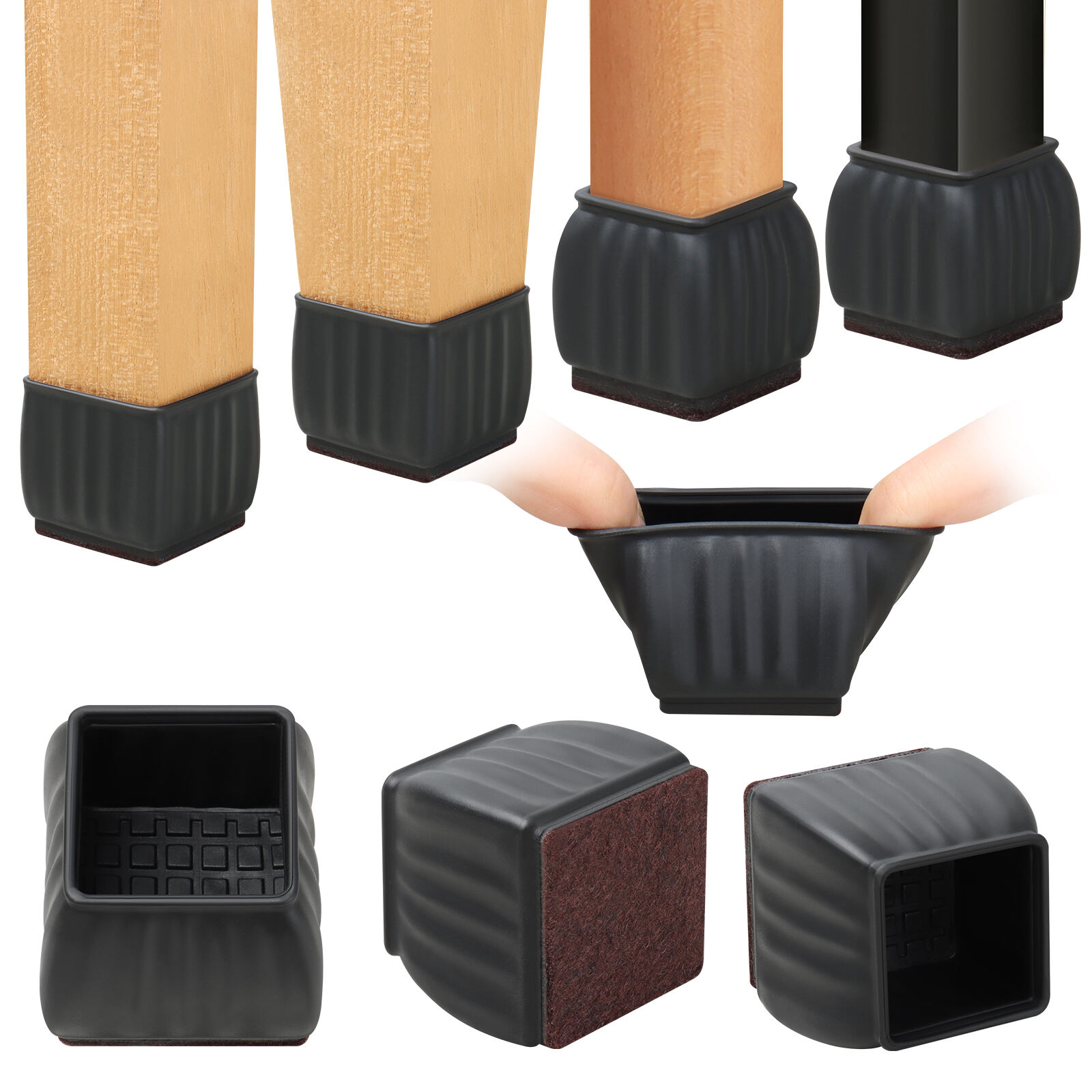
The engineering behind silicone chair leg protectors incorporates advanced material science principles that deliver exceptional performance across diverse environments. Unlike traditional felt pads or plastic caps, silicone offers unique properties including flexibility, durability, and superior adhesion characteristics. These protectors create a stable interface between furniture legs and flooring surfaces, effectively eliminating the wobbling and sliding that compromise both comfort and safety in residential and commercial settings.
Enhanced Stability Through Advanced Silicone Technology
Material Properties and Stability Benefits
The molecular structure of silicone provides inherent stability advantages that traditional materials cannot match. Silicone chair leg protectors maintain their shape and grip characteristics across temperature variations, humidity changes, and extended use periods. This consistency ensures that furniture remains stable regardless of environmental conditions, preventing the gradual loosening and degradation that affects other protective materials.
Professional testing demonstrates that silicone compounds exhibit superior coefficient of friction values compared to alternative materials. This increased friction translates directly into enhanced stability, as chairs and other furniture pieces experience reduced lateral movement during normal use. The material's natural elasticity also allows for micro-adjustments that accommodate minor surface irregularities, creating a more secure foundation for furniture placement.
Weight Distribution and Load Management
Effective weight distribution represents a critical factor in furniture stability, and silicone chair leg protectors excel in this area through their conformable surface characteristics. When properly installed, these protectors distribute furniture weight evenly across their contact surface, reducing pressure points that can cause instability or flooring damage. This distribution effect becomes particularly important for heavy furniture pieces or chairs that experience frequent repositioning.
The flexible nature of silicone allows these protectors to adapt to slight variations in leg length or floor levelness that commonly occur in real-world installations. By accommodating these minor discrepancies, silicone chair leg protectors eliminate wobbling and create a stable seating experience that enhances user comfort and confidence.
Flooring Protection and Surface Compatibility
Multi-Surface Performance Characteristics
Modern flooring materials present diverse challenges for furniture stability, from highly polished hardwood to textured tile surfaces. Silicone chair leg protectors demonstrate remarkable versatility across these varied substrates, maintaining consistent performance regardless of surface texture or finish. This adaptability eliminates the need for multiple protector types in mixed flooring environments, simplifying maintenance and inventory requirements.
The non-marking properties of quality silicone formulations ensure that these protectors provide stability enhancement without leaving residues or discoloration on sensitive flooring materials. Laboratory testing confirms that properly manufactured silicone chair leg protectors maintain their protective qualities without transferring compounds to flooring surfaces, even under prolonged contact conditions and elevated temperatures.
Scratch Prevention and Impact Resistance
Stability improvements achieved through silicone chair leg protectors extend beyond simple grip enhancement to include comprehensive flooring protection. The cushioning effect of silicone material absorbs impact forces that occur during chair movement, repositioning, and daily use activities. This impact absorption significantly reduces the transmission of damaging forces to flooring surfaces while maintaining the stable furniture positioning that users require.
Comparative studies demonstrate that furniture equipped with silicone chair leg protectors generates substantially less surface wear compared to unprotected furniture or alternatives using harder materials. The combination of improved stability and protective cushioning creates a synergistic effect that extends both furniture and flooring lifespan while maintaining optimal user experience throughout the product lifecycle.
Installation and Maintenance Advantages
User-Friendly Installation Process
The practical benefits of silicone chair leg protectors extend to their installation simplicity and maintenance requirements. Most quality protectors feature intuitive attachment mechanisms that accommodate standard furniture leg dimensions without requiring tools or specialized knowledge. This accessibility enables users to implement stability improvements quickly and efficiently across multiple furniture pieces.
Installation versatility represents another significant advantage, as silicone chair leg protectors typically accommodate various leg shapes and sizes through their flexible design characteristics. Whether dealing with round, square, or irregularly shaped furniture legs, these protectors conform to provide secure attachment and optimal stability performance. This adaptability reduces the complexity of selecting appropriate protectors for mixed furniture environments.
Long-Term Performance and Durability
Durability considerations play a crucial role in the overall value proposition of stability enhancement solutions. Silicone chair leg protectors demonstrate exceptional resistance to wear, compression set, and environmental degradation that commonly affect alternative materials. This longevity ensures consistent stability performance over extended service periods, reducing replacement frequency and maintenance costs.
Regular cleaning and maintenance of silicone chair leg protectors requires minimal effort while preserving their stability and protective characteristics. The non-porous surface of quality silicone resists dirt accumulation and bacterial growth, maintaining hygienic conditions while preserving the material properties essential for optimal stability performance. Simple cleaning protocols using standard household cleaners effectively remove accumulated debris without compromising protector integrity or performance.
Commercial and Residential Applications
Office Environment Stability Solutions
Commercial office environments present unique stability challenges due to frequent furniture repositioning, diverse user requirements, and high-traffic conditions. Silicone chair leg protectors address these challenges by providing reliable stability that withstands repeated use cycles while protecting expensive commercial flooring investments. The professional appearance of quality protectors also maintains the aesthetic standards expected in corporate environments.
Cost-effectiveness becomes particularly important in commercial applications where multiple furniture pieces require protection. Silicone chair leg protectors offer superior value through their combination of performance, durability, and competitive pricing compared to frequent furniture replacement or flooring repair costs. This economic advantage makes them an attractive solution for facility managers seeking to optimize operational expenses while maintaining high standards.
Residential Comfort and Safety Benefits
Home environments benefit significantly from the stability improvements provided by silicone chair leg protectors, particularly in areas with vulnerable flooring such as hardwood, laminate, or luxury vinyl surfaces. The enhanced stability contributes to overall safety by reducing the risk of furniture tipping or unexpected movement during use. This safety aspect becomes especially important in households with elderly residents or young children who may be more susceptible to furniture-related accidents.
Noise reduction represents an additional residential benefit, as stable furniture equipped with silicone chair leg protectors generates less movement-related sound transmission. This acoustic improvement enhances living comfort while maintaining positive relationships with neighbors in multi-unit residential settings. The combination of stability, protection, and noise reduction creates comprehensive value that extends throughout the home environment.
Selection Criteria and Performance Optimization
Material Quality and Specification Requirements
Selecting appropriate silicone chair leg protectors requires understanding key material specifications that directly impact stability performance. High-quality silicone compounds demonstrate consistent durometer ratings, temperature stability, and chemical resistance that ensure reliable long-term performance. These specifications become particularly important in demanding applications where stability requirements are critical for safety and functionality.
Size compatibility represents another crucial selection factor, as properly fitted silicone chair leg protectors provide optimal stability while preventing slippage or detachment during use. Accurate measurement of furniture leg dimensions and consideration of weight distribution requirements guide the selection process toward solutions that maximize stability benefits while ensuring secure installation and reliable performance.
Performance Testing and Quality Assurance
Comprehensive performance testing validates the stability claims associated with quality silicone chair leg protectors through standardized evaluation protocols. These tests assess grip characteristics, load-bearing capacity, durability under repeated stress cycles, and environmental resistance to ensure consistent performance across diverse application conditions. Understanding these test results helps users make informed decisions about protector selection and expected performance levels.
Quality assurance processes implemented by reputable manufacturers ensure that silicone chair leg protectors meet specified performance standards throughout production runs. This consistency provides users with confidence that their stability investment will deliver expected results while maintaining the protective and performance characteristics essential for successful long-term application in both residential and commercial environments.
FAQ
How do silicone chair leg protectors compare to felt pads for stability
Silicone chair leg protectors offer superior stability compared to felt pads due to their higher coefficient of friction and resistance to compression. While felt pads may compress and lose effectiveness over time, silicone maintains its grip and cushioning properties, providing consistent stability performance. Additionally, silicone protectors resist moisture and cleaning chemicals that can degrade felt materials, ensuring longer-lasting stability benefits.
What furniture leg sizes are compatible with standard silicone protectors
Most silicone chair leg protectors accommodate furniture legs ranging from 1 inch to 1.45 inches in diameter or width, though specific size ranges vary by manufacturer. The flexible nature of silicone allows for some size variation within specified ranges, making these protectors suitable for most standard residential and commercial furniture. Always verify size compatibility before installation to ensure optimal stability performance.
Can silicone chair leg protectors be used on all flooring types
Quality silicone chair leg protectors are designed for use on virtually all flooring types, including hardwood, laminate, tile, vinyl, and carpet. The non-marking properties of proper silicone formulations prevent staining or residue transfer to sensitive surfaces. However, it is recommended to test protectors in an inconspicuous area first, especially on delicate or specialty flooring materials, to ensure compatibility.
How often should silicone chair leg protectors be replaced for optimal stability
Under normal use conditions, high-quality silicone chair leg protectors typically maintain their stability performance for 12-24 months before replacement becomes necessary. Replacement timing depends on factors such as furniture weight, frequency of movement, and environmental conditions. Signs that replacement may be needed include visible wear, reduced grip performance, or loss of shape that affects stability. Regular inspection helps ensure continued optimal performance.


