
 EN
EN
 AR
AR
 BG
BG
 HR
HR
 CS
CS
 DA
DA
 NL
NL
 FI
FI
 FR
FR
 DE
DE
 EL
EL
 HI
HI
 IT
IT
 JA
JA
 KO
KO
 NO
NO
 PL
PL
 PT
PT
 RO
RO
 RU
RU
 ES
ES
 SV
SV
 CA
CA
 TL
TL
 IW
IW
 ID
ID
 LT
LT
 SR
SR
 SK
SK
 SL
SL
 UK
UK
 VI
VI
 HU
HU
 TR
TR
 AF
AF
 MS
MS
 GA
GA
 LA
LA
 MN
MN
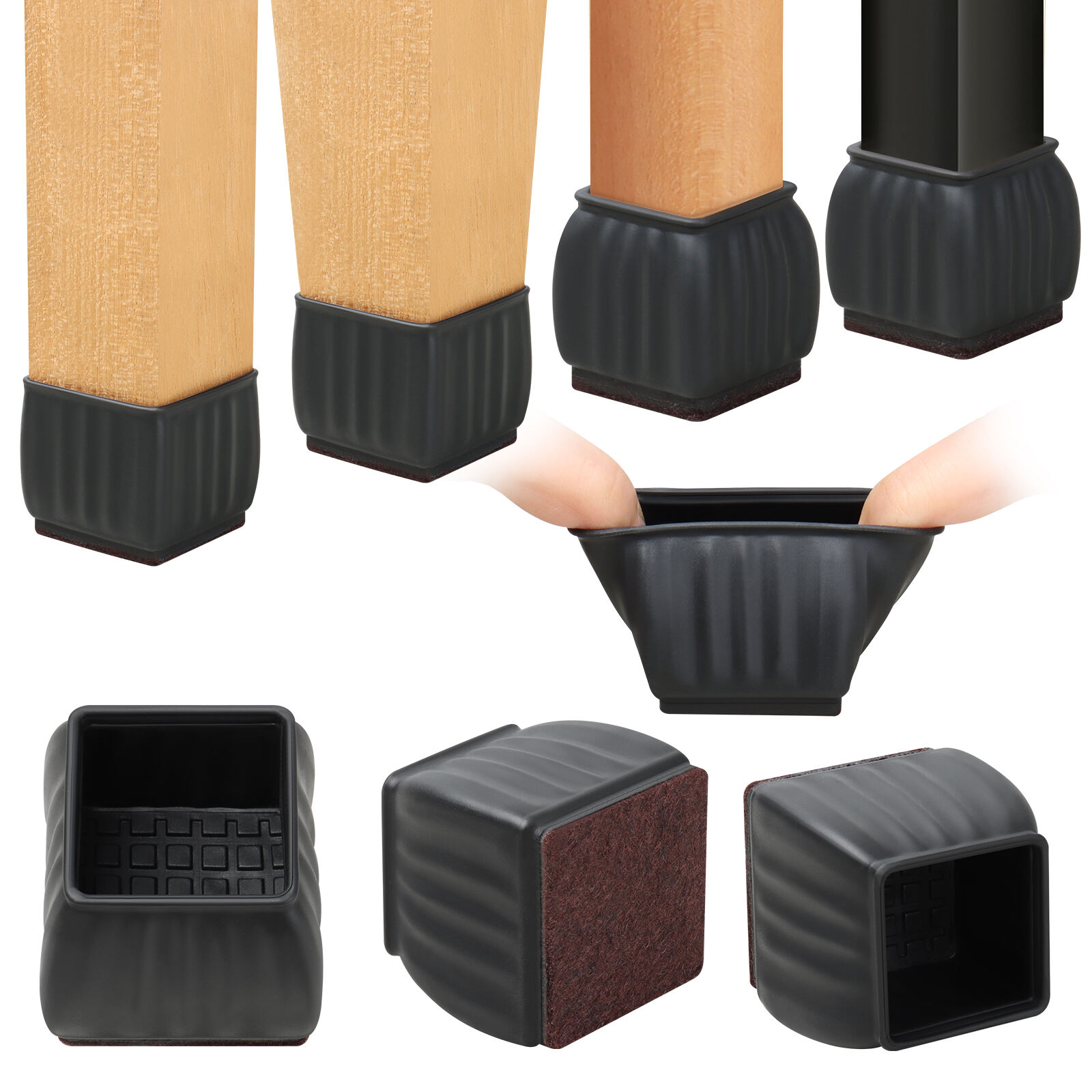
Protecting your floors from furniture damage is a critical concern for homeowners and business owners alike. Scratches, dents, and scuff marks from chair legs can permanently damage expensive flooring materials, leading to costly repairs or replacements. Silicone chair leg protectors have emerged as one of the most effective solutions for preventing floor damage while maintaining furniture mobility. These innovative protective accessories combine durability, functionality, and aesthetic appeal to safeguard various floor types including hardwood, laminate, tile, and vinyl. Understanding how these protectors work and their numerous benefits can help you make an informed decision about protecting your valuable flooring investment.
Understanding the Science Behind Silicone Chair Leg Protectors
Material Properties and Composition
Silicone chair leg protectors are manufactured from high-grade silicone rubber, a synthetic polymer known for its exceptional flexibility and durability. This material offers unique properties that make it ideal for floor protection applications. The molecular structure of silicone provides excellent resistance to temperature variations, UV radiation, and chemical exposure, ensuring long-lasting performance in various environments. Unlike traditional rubber or plastic protectors, silicone maintains its elasticity and shape retention even under constant pressure and repeated use.
The composition of quality silicone chair leg protectors typically includes reinforcing agents and stabilizers that enhance their protective capabilities. These additives improve the material's resistance to tearing, puncturing, and degradation over time. The non-porous nature of silicone prevents the accumulation of dirt, moisture, and bacteria, making these protectors hygienic and easy to maintain. This superior material composition contributes significantly to the effectiveness of silicone chair leg protectors in preventing floor damage.
Shock Absorption and Impact Distribution
The primary mechanism by which silicone chair leg protectors prevent floor damage lies in their exceptional shock absorption properties. When chairs are moved, dragged, or repositioned, the silicone material compresses and deforms to absorb the impact energy that would otherwise be transmitted directly to the floor surface. This cushioning effect significantly reduces the force concentration at contact points, preventing scratches, dents, and other forms of damage.
The viscoelastic properties of silicone allow these protectors to distribute weight and impact forces over a larger surface area. Instead of concentrating pressure on sharp chair leg edges or small contact points, silicone chair leg protectors spread the load across their entire base area. This distribution mechanism is particularly effective on softer flooring materials like luxury vinyl or engineered hardwood, where concentrated forces can cause permanent indentations or surface deformation.
Comprehensive Floor Protection Mechanisms
Scratch Prevention Technology
Scratches represent one of the most common types of floor damage caused by furniture movement. Silicone chair leg protectors create a barrier between the chair legs and floor surface, preventing direct contact that leads to scratching. The smooth, non-abrasive surface of silicone glides effortlessly across various floor types without leaving marks or gouges. This sliding action is facilitated by the low coefficient of friction inherent in silicone materials, allowing chairs to move smoothly while protecting the underlying floor.
Advanced silicone chair leg protectors often incorporate specialized surface textures or patterns that further enhance their scratch prevention capabilities. Some designs feature micro-textured bottoms that provide controlled grip while maintaining smooth movement characteristics. These surface modifications help prevent the protectors themselves from slipping or rotating under the chair legs, ensuring consistent protection during use. The self-healing properties of silicone also mean that minor surface abrasions on the protectors do not compromise their protective effectiveness.
Moisture and Contamination Barrier
Beyond mechanical protection, silicone chair leg protectors serve as effective barriers against moisture and contamination that can damage floors. The non-porous nature of silicone prevents water, spills, and cleaning solutions from seeping through to the floor surface around chair leg contact points. This barrier protection is particularly valuable in kitchens, dining rooms, and commercial environments where spills are common and can cause water damage, staining, or warping of susceptible flooring materials.
The chemical inertness of silicone ensures that silicone chair leg protectors do not react with cleaning chemicals or floor treatments, maintaining their protective integrity over time. This stability prevents the protectors from becoming a source of contamination themselves, unlike some organic materials that may degrade and leave residues on floor surfaces. The easy-clean properties of silicone allow for simple maintenance, ensuring that the protectors remain hygienic and effective throughout their service life.
Installation Methods and Compatibility Features
Universal Fitting Systems
Modern silicone chair leg protectors are designed with universal fitting systems that accommodate various chair leg shapes, sizes, and configurations. The inherent flexibility of silicone allows these protectors to stretch and conform to different leg diameters, from thin metal tubes to thick wooden posts. Many designs feature tapered or graduated internal dimensions that provide secure fits across a range of leg sizes, eliminating the need for multiple protector sizes in most applications.
The elastic memory properties of silicone ensure that chair leg protectors maintain their grip and positioning once installed. This secure fit prevents the protectors from sliding off during use, which could leave chair legs exposed and potentially cause floor damage. Quality silicone chair leg protectors are engineered with specific wall thicknesses and durometer ratings that balance flexibility for easy installation with sufficient rigidity to maintain their shape and protective function under load.
Adhesion and Retention Mechanisms
Effective silicone chair leg protectors incorporate various mechanisms to ensure secure attachment and long-term retention on furniture legs. Some designs utilize the natural grip properties of silicone, which creates strong adhesion through molecular attraction and surface tension. This grip is enhanced by internal textures or ribs that increase surface contact area and mechanical retention. The flexibility of silicone allows these internal features to conform closely to chair leg surfaces, creating multiple contact points that resist displacement.
Advanced retention systems may include integrated locking tabs, compression rings, or expandable sections that provide mechanical advantages beyond simple friction fit. These features ensure that silicone chair leg protectors remain securely attached even during heavy use or when chairs are frequently moved. The design of these retention mechanisms considers the need for easy removal when necessary, allowing for cleaning, replacement, or furniture reconfiguration without damaging the chair legs or protectors.
Performance Benefits Across Different Flooring Types
Hardwood Floor Protection
Hardwood floors represent significant investments that require careful protection from furniture-related damage. Silicone chair leg protectors excel in hardwood floor protection by preventing the scratches, dents, and gouges that commonly result from chair movement. The natural oils and finishes on hardwood surfaces can be particularly susceptible to damage from metal chair legs or rough furniture edges. Silicone protectors create a gentle interface that preserves these delicate surface treatments while allowing normal furniture use.
The breathable properties of certain silicone formulations help prevent moisture entrapment that could lead to wood swelling, warping, or discoloration around chair leg contact points. This is particularly important in environments with variable humidity levels, where trapped moisture under non-breathable protectors could cause localized floor damage. Silicone chair leg protectors designed for hardwood applications often feature optimized contact areas and surface textures that provide protection without interfering with the natural expansion and contraction of wood flooring.
Luxury Vinyl and Laminate Compatibility
Luxury vinyl tile (LVT) and laminate flooring have gained popularity due to their durability and aesthetic appeal, but these materials can still suffer damage from furniture legs without proper protection. Silicone chair leg protectors are particularly effective on these surfaces because they prevent the indentations and pressure marks that can occur when heavy furniture concentrates weight on small contact areas. The cushioning effect of silicone distributes loads more evenly, maintaining the appearance and integrity of vinyl and laminate surfaces.
The chemical compatibility between silicone and synthetic flooring materials ensures that silicone chair leg protectors will not cause staining, plasticizer migration, or other chemical interactions that could damage luxury vinyl or laminate surfaces. This compatibility is crucial for maintaining manufacturer warranties on premium flooring products. The low-profile design of quality silicone protectors minimizes visual impact while providing comprehensive protection, making them ideal for residential and commercial applications where aesthetics are important.
Long-term Durability and Performance Characteristics
Wear Resistance and Longevity
The exceptional durability of silicone chair leg protectors stems from the inherent properties of silicone rubber, which resists wear, tearing, and degradation under normal use conditions. Unlike felt pads or plastic protectors that may wear thin or crack over time, silicone maintains its protective thickness and integrity for extended periods. The elastic properties of silicone allow it to recover from compression and deformation, ensuring consistent protection throughout the product's service life.
Laboratory testing and real-world applications demonstrate that quality silicone chair leg protectors can withstand hundreds of thousands of movement cycles without significant degradation. This durability translates to long-term cost effectiveness, as the protectors rarely require replacement due to wear-related failure. The resistance of silicone to environmental factors such as UV exposure, temperature extremes, and chemical cleaning agents further extends service life, making these protectors suitable for both indoor and covered outdoor applications.
Maintenance Requirements and Care
The low maintenance requirements of silicone chair leg protectors contribute significantly to their practical appeal and long-term effectiveness. The non-porous surface of silicone resists dirt accumulation and can be easily cleaned with standard household cleaners or soap and water. This ease of maintenance ensures that the protectors continue to function effectively without requiring specialized cleaning products or procedures that might discourage regular upkeep.
The chemical stability of silicone allows these protectors to be cleaned with disinfectants and sanitizers without degradation, making them particularly suitable for healthcare facilities, restaurants, and other commercial environments where hygiene is paramount. Regular cleaning of silicone chair leg protectors also helps maintain their appearance and prevents the buildup of contaminants that could potentially transfer to floor surfaces. The quick-drying properties of silicone minimize downtime during cleaning operations, allowing for efficient maintenance in busy commercial environments.
Frequently Asked Questions
How long do silicone chair leg protectors typically last?
High-quality silicone chair leg protectors typically last between two to five years under normal residential use conditions, and one to three years in heavy commercial applications. The actual lifespan depends on factors such as frequency of chair movement, floor type, environmental conditions, and the quality of the silicone material. Premium silicone formulations with UV stabilizers and reinforcing additives generally provide longer service life. Regular inspection and cleaning can help maximize the lifespan of these protectors by preventing premature degradation from accumulated contaminants or mechanical damage.
Can silicone chair leg protectors be used on all types of chairs?
Silicone chair leg protectors are compatible with most chair types, including wooden, metal, plastic, and upholstered chairs. The flexible nature of silicone allows these protectors to accommodate various leg shapes including round, square, rectangular, and tapered profiles. However, chairs with extremely unusual leg configurations or those with integrated glides or casters may require specialized protector designs. It is important to select protectors with appropriate internal dimensions and wall thickness to ensure secure fit and optimal protection for specific chair types.
Do silicone protectors affect chair stability or mobility?
Properly fitted silicone chair leg protectors should not significantly affect chair stability or mobility when correctly installed. The low profile design of quality protectors adds minimal height to chair legs, typically less than 3-5mm, which rarely impacts seating comfort or table clearance. The smooth bottom surface of silicone protectors may actually improve chair mobility on certain floor types by reducing friction and resistance during movement. However, oversized or improperly fitted protectors could potentially affect stability, emphasizing the importance of selecting appropriately sized products.
Are silicone chair leg protectors safe for use around children and pets?
Silicone chair leg protectors are generally considered safe for use in households with children and pets. Medical-grade silicone is non-toxic, hypoallergenic, and does not release harmful chemicals under normal use conditions. However, like any small object, protectors could present a choking hazard if removed and handled by very young children. Pet owners should monitor animals that may be inclined to chew on furniture accessories, as ingested silicone pieces could potentially cause digestive issues. Quality silicone chair leg protectors are designed with secure attachment mechanisms that minimize the risk of accidental removal during normal use.


