
 EN
EN
 AR
AR
 BG
BG
 HR
HR
 CS
CS
 DA
DA
 NL
NL
 FI
FI
 FR
FR
 DE
DE
 EL
EL
 HI
HI
 IT
IT
 JA
JA
 KO
KO
 NO
NO
 PL
PL
 PT
PT
 RO
RO
 RU
RU
 ES
ES
 SV
SV
 CA
CA
 TL
TL
 IW
IW
 ID
ID
 LT
LT
 SR
SR
 SK
SK
 SL
SL
 UK
UK
 VI
VI
 HU
HU
 TR
TR
 AF
AF
 MS
MS
 GA
GA
 LA
LA
 MN
MN
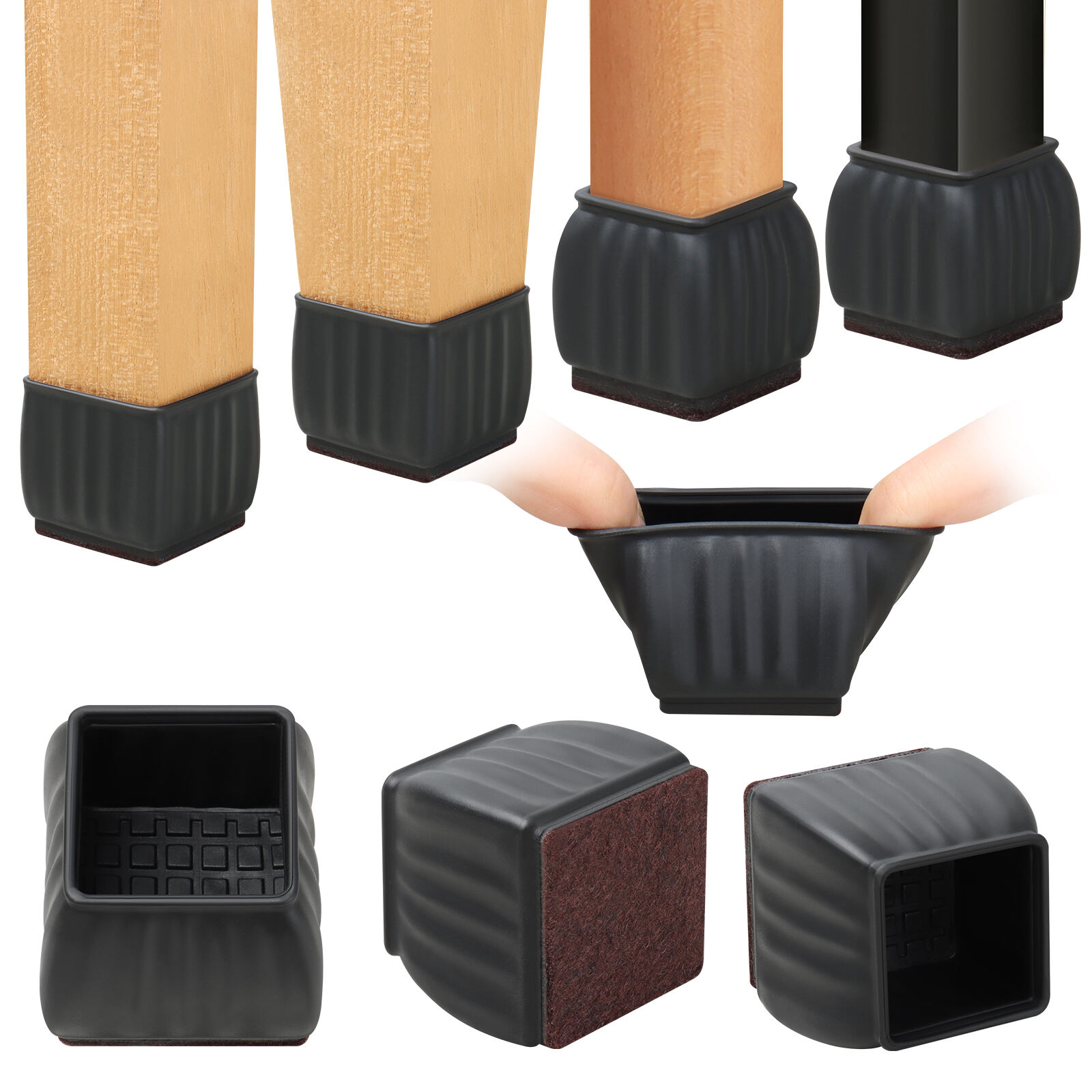
Chair foot pads have become an essential component for maintaining floor integrity and ensuring furniture stability in both residential and commercial environments. These protective accessories serve multiple functions, from preventing scratches on delicate flooring surfaces to reducing noise levels during furniture movement. The evolution of chair foot pads has led to sophisticated designs that combine advanced materials with ergonomic engineering to deliver superior performance. Understanding the critical role these small but mighty accessories play in furniture protection helps property owners make informed decisions about their flooring investments.
Understanding the Science Behind Superior Grip Technology
Material Composition and Surface Interaction
The effectiveness of chair foot pads largely depends on the material composition and how it interacts with various flooring surfaces. Premium silicone compounds offer exceptional grip characteristics due to their molecular structure, which creates microscopic adhesion points with floor surfaces. This scientific approach to grip technology ensures that chair foot pads maintain their position even under significant lateral forces. The coefficient of friction between high-quality materials and common flooring types determines the overall stability performance of the protective system.
Advanced polymer blends used in superior chair foot pads incorporate specific additives that enhance surface contact without leaving residue or causing discoloration. These materials undergo rigorous testing to ensure compatibility with hardwood, laminate, tile, and vinyl flooring options. The molecular engineering behind these compounds allows for optimal grip while maintaining the flexibility needed for various chair leg shapes and sizes. This scientific foundation ensures that users experience consistent performance across different environmental conditions and usage patterns.
Friction Dynamics and Load Distribution
The physics of friction plays a crucial role in how chair foot pads provide stability and prevent unwanted movement. Superior designs incorporate principles of load distribution to maximize contact area while maintaining optimal pressure per square inch. This approach ensures that the grip remains effective whether the chair supports a lightweight occupant or experiences dynamic loading during movement. The engineering behind these systems considers both static and kinetic friction coefficients to deliver consistent performance.
Professional-grade chair foot pads utilize advanced geometry to enhance surface contact and improve grip characteristics. The design philosophy focuses on creating multiple contact points that work together to resist sliding forces from any direction. This comprehensive approach to friction management ensures that furniture remains stable during normal use while allowing for intentional repositioning when necessary. The balance between grip and mobility represents a key engineering achievement in modern protective pad design.
Advanced Materials and Construction Methods
Silicone Technology and Performance Benefits
Modern chair foot pads leverage advanced silicone formulations that offer superior durability and performance compared to traditional materials. These high-grade silicones resist compression set, maintaining their original thickness and cushioning properties even after extended use under heavy furniture. The chemical stability of premium silicone ensures that chair foot pads retain their grip characteristics and appearance over time, making them a cost-effective long-term solution for floor protection.
The manufacturing process for quality silicone chair foot pads involves precise temperature control and curing cycles that optimize material properties. This attention to production details results in consistent density, hardness, and surface texture across all units in a batch. The superior silicone compounds used in professional applications resist environmental factors such as temperature fluctuations, humidity changes, and UV exposure, ensuring reliable performance in various settings.
Multi-Layer Construction and Enhanced Durability
Premium chair foot pads often feature multi-layer construction that combines different materials to optimize specific performance characteristics. The contact layer focuses on grip and floor protection, while inner layers provide cushioning and load distribution. This layered approach allows engineers to fine-tune each aspect of performance without compromising other important features. The result is a comprehensive protection system that addresses multiple requirements simultaneously.
The adhesive systems used to bond multiple layers in advanced chair foot pads employ specialized formulations that maintain integrity under stress and environmental exposure. These bonding agents ensure that layers remain securely attached throughout the product lifecycle, preventing delamination that could compromise performance. The engineering behind these multi-layer systems represents significant advancement in protective pad technology, delivering enhanced functionality while maintaining ease of installation and maintenance.
Installation Techniques and Compatibility Factors
Proper Sizing and Fit Considerations
Achieving optimal performance from chair foot pads requires careful attention to sizing and fit compatibility with various chair leg designs. Professional installation begins with accurate measurement of leg dimensions, including diameter, shape, and any tapered sections that might affect pad placement. The selection process must account for the specific geometry of each chair type to ensure secure attachment and proper load transfer. This precision approach prevents common issues such as pad displacement or inadequate surface contact.
Quality chair foot pads incorporate design features that accommodate slight variations in leg dimensions while maintaining secure attachment. These adaptive characteristics allow for successful installation across different furniture styles and manufacturers. The engineering behind these accommodating designs ensures that users achieve consistent performance regardless of minor dimensional variations in their furniture pieces. This flexibility represents a significant advantage over rigid protective systems that require exact dimensional matches.
Surface Preparation and Environmental Factors
Proper surface preparation plays a critical role in maximizing the effectiveness of chair foot pads and ensuring long-term performance. Clean, dry surfaces provide the optimal foundation for secure attachment and effective grip characteristics. The preparation process involves removing any existing residue, dust, or contaminants that could interfere with proper adhesion or surface contact. This attention to detail during installation significantly impacts the overall success of the protective system.
Environmental conditions during installation affect the performance and longevity of chair foot pads. Temperature and humidity levels influence material properties and adhesive performance, making timing an important consideration for optimal results. Professional installers understand these environmental factors and adjust their techniques accordingly to ensure consistent outcomes. The consideration of these variables during installation contributes to the superior performance that users expect from quality protective systems.
Performance Testing and Quality Assurance
Laboratory Testing Standards and Protocols
Rigorous testing protocols ensure that chair foot pads meet stringent performance standards for grip, durability, and floor protection. Laboratory environments simulate real-world conditions through controlled testing that measures friction coefficients, compression resistance, and material stability over time. These comprehensive evaluations provide objective data about product performance capabilities and help identify any potential weaknesses before products reach the market. The testing process involves multiple phases that examine different aspects of performance under various conditions.
Quality assurance programs for chair foot pads incorporate both destructive and non-destructive testing methods to evaluate material properties and construction integrity. These protocols examine factors such as adhesive strength, material hardness, and resistance to environmental stressors. The data collected through these testing programs enables continuous improvement in product design and manufacturing processes. This commitment to quality verification ensures that users receive products that deliver consistent, reliable performance throughout their service life.
Real-World Performance Validation
Field testing programs provide valuable insights into how chair foot pads perform under actual usage conditions that may differ from laboratory environments. These validation studies examine long-term performance characteristics and identify any issues that emerge during extended use periods. The feedback gathered from real-world applications helps refine product designs and improve manufacturing processes to better serve end-user needs. This practical approach to performance validation ensures that products deliver on their promised capabilities.
Performance monitoring in commercial and residential applications provides ongoing data about the effectiveness of different chair foot pads designs and materials. This information helps users understand the expected service life and maintenance requirements for various product configurations. The analysis of field performance data contributes to the development of improved products and installation techniques that better serve specific application requirements. This continuous feedback loop between manufacturers and users drives innovation in protective pad technology.
Applications Across Different Environments
Residential Settings and Home Protection
In residential environments, chair foot pads provide essential protection for expensive hardwood floors, delicate tile surfaces, and modern luxury vinyl planking. Homeowners invest significant resources in quality flooring materials, making protection from furniture damage a high priority. The selection of appropriate chair foot pads considers factors such as traffic patterns, furniture styles, and aesthetic preferences to create an effective protection system. These considerations ensure that protective measures enhance rather than detract from the overall home environment.
Family homes with active lifestyles require chair foot pads that can withstand frequent furniture movement while maintaining their protective capabilities. Children and pets create dynamic conditions that test the durability and effectiveness of protective systems. Quality products designed for residential use incorporate features that address these challenging conditions while remaining easy to maintain and replace when necessary. This practical approach to residential protection ensures long-term success in maintaining floor quality.
Commercial and Industrial Applications
Commercial environments place exceptional demands on chair foot pads due to high traffic volumes, frequent furniture repositioning, and diverse user patterns. Office buildings, restaurants, and conference facilities require protective solutions that maintain their effectiveness under intensive daily use. The selection criteria for commercial applications emphasize durability, consistent performance, and minimal maintenance requirements. These demanding conditions require products specifically engineered to meet commercial-grade performance standards.
Industrial settings may require specialized chair foot pads that resist chemical exposure, extreme temperatures, or heavy loading conditions. Manufacturing facilities, laboratories, and technical work environments present unique challenges that standard residential products cannot address effectively. The development of industrial-grade protective solutions involves advanced materials and construction techniques that ensure reliable performance under harsh conditions. This specialized approach to industrial applications demonstrates the versatility and adaptability of modern chair foot pads technology.
Maintenance and Replacement Considerations
Cleaning and Care Procedures
Proper maintenance extends the service life of chair foot pads and ensures continued effectiveness in protecting floor surfaces. Regular cleaning removes accumulated debris and contaminants that could interfere with grip characteristics or cause premature wear. The cleaning process varies depending on the specific materials used in the protective pads, requiring appropriate cleaning agents and techniques. This attention to maintenance details significantly impacts the long-term performance and cost-effectiveness of the protection system.
Professional maintenance programs for commercial installations often include scheduled inspection and cleaning of chair foot pads as part of comprehensive facility care. These programs identify potential issues before they compromise performance and ensure that protective systems continue to meet operational requirements. The systematic approach to maintenance helps facility managers optimize the performance and longevity of their protective investments. This proactive maintenance philosophy prevents costly floor damage and reduces overall facility operating costs.
Replacement Indicators and Lifecycle Management
Understanding when to replace chair foot pads requires recognition of specific wear indicators that signal diminished performance capabilities. Visual inspection reveals obvious signs such as material degradation, compression set, or surface damage that affects grip characteristics. More subtle indicators include reduced effectiveness in preventing floor scratches or increased noise levels during furniture movement. Early recognition of these replacement signals prevents floor damage and maintains the protective system's effectiveness.
Lifecycle management strategies for chair foot pads consider factors such as usage intensity, environmental conditions, and performance requirements to optimize replacement timing. Proactive replacement programs prevent unexpected failures while maximizing the service life of each component. This strategic approach to lifecycle management helps users balance performance requirements with cost considerations to achieve optimal value from their protective investments. The planning aspect of replacement management ensures continuity of protection without unnecessary interruptions.
FAQ
What makes silicone chair foot pads superior to other materials
Silicone chair foot pads offer superior performance due to their unique molecular structure that provides excellent grip without leaving residue on floors. The material maintains its flexibility and cushioning properties over time, resisting compression set that affects inferior materials. Silicone also demonstrates exceptional resistance to temperature variations, humidity changes, and UV exposure, ensuring consistent performance across different environmental conditions. These characteristics make silicone the preferred choice for demanding applications where reliability and longevity are essential.
How often should chair foot pads be replaced in commercial settings
Replacement frequency for chair foot pads in commercial environments depends on usage intensity and specific operational requirements. High-traffic areas such as restaurants or conference rooms may require replacement every 12-18 months, while moderate-use office environments might achieve 2-3 years of service life. Regular inspection helps identify early wear indicators that signal the need for replacement before performance degrades significantly. Establishing a proactive replacement schedule based on actual usage patterns ensures continuous protection while optimizing maintenance costs.
Can chair foot pads damage certain types of flooring
Quality chair foot pads are specifically designed to protect rather than damage flooring surfaces when properly selected and installed. However, improper material selection or contaminated pads can potentially cause issues such as discoloration or surface marking. The key to preventing damage lies in choosing products specifically compatible with your flooring type and maintaining them properly through regular cleaning. Professional-grade products undergo extensive testing to ensure compatibility with common flooring materials, providing confidence in their protective capabilities.
What size chair foot pads work best for different chair types
Optimal sizing for chair foot pads depends on the specific dimensions and geometry of chair legs, with measurement accuracy being critical for proper fit and performance. Most quality products accommodate slight dimensional variations while maintaining secure attachment and effective load distribution. Round chair legs typically require pads that match the leg diameter closely, while square or rectangular legs need corresponding shapes for optimal contact. Professional installations often involve measuring each chair type individually to ensure the best possible fit and performance from the protective system.


