
 EN
EN
 AR
AR
 BG
BG
 HR
HR
 CS
CS
 DA
DA
 NL
NL
 FI
FI
 FR
FR
 DE
DE
 EL
EL
 HI
HI
 IT
IT
 JA
JA
 KO
KO
 NO
NO
 PL
PL
 PT
PT
 RO
RO
 RU
RU
 ES
ES
 SV
SV
 CA
CA
 TL
TL
 IW
IW
 ID
ID
 LT
LT
 SR
SR
 SK
SK
 SL
SL
 UK
UK
 VI
VI
 HU
HU
 TR
TR
 AF
AF
 MS
MS
 GA
GA
 LA
LA
 MN
MN

Protecting your floors from furniture damage requires the right equipment, and choosing the best chair foot pads can make a significant difference in both floor preservation and long-term cost savings. While standard felt pads have dominated the market for decades, they often fall short when it comes to durability, moisture resistance, and overall performance. Modern homeowners and businesses are increasingly turning to premium alternatives that offer superior protection and longevity compared to traditional options.
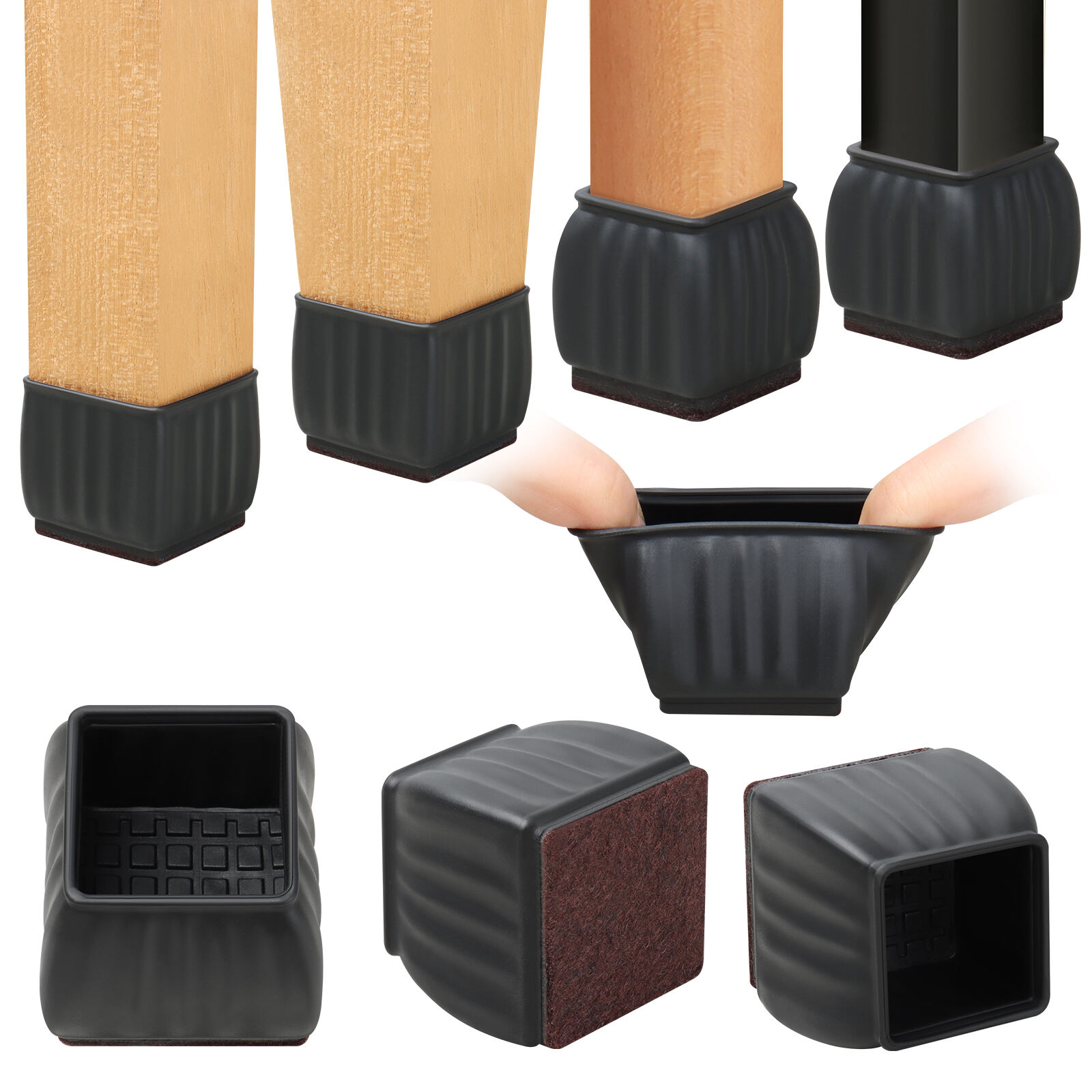
The evolution of furniture protection has led to innovative materials and designs that address the common failures of standard felt products. Understanding what separates premium chair foot pads from basic alternatives helps consumers make informed decisions that protect their investment in flooring while ensuring furniture remains stable and secure. The key lies in material composition, construction techniques, and performance characteristics that extend far beyond simple cushioning.
Material Science Behind Premium Chair Foot Pads
Advanced Polymer Technology
Premium chair foot pads utilize advanced polymer compounds that offer exceptional durability compared to traditional felt materials. These engineered plastics maintain their structural integrity under constant pressure and movement, resisting compression that causes standard pads to flatten and lose effectiveness. The molecular structure of high-quality polymers creates a resilient barrier that recovers its original shape even after prolonged use.
Silicone-based chair foot pads represent the pinnacle of material engineering in furniture protection. The cross-linked polymer chains in silicone create a flexible yet durable matrix that withstands temperature fluctuations, moisture exposure, and mechanical stress without degrading. This chemical stability ensures consistent performance across various environmental conditions that would compromise felt alternatives.
The manufacturing process for premium materials involves precision molding techniques that create uniform density throughout each pad. This consistency eliminates weak points that could lead to premature failure, ensuring that every section of the chair foot pads maintains optimal performance characteristics. Quality control measures during production verify material properties meet stringent durability standards.
Moisture and Chemical Resistance Properties
Unlike felt pads that absorb moisture and harbor bacteria, premium chair foot pads feature non-porous surfaces that repel liquids and resist staining. This moisture resistance prevents the degradation that occurs when traditional pads become saturated with spills or cleaning solutions. The hydrophobic properties maintain pad integrity while simplifying maintenance requirements for busy households and commercial environments.
Chemical resistance becomes particularly important in environments where cleaning products or accidental spills might contact furniture pads. Premium materials maintain their protective properties even when exposed to common household chemicals, ensuring long-term reliability without replacement due to chemical damage. This resistance extends the service life significantly compared to organic materials that break down when exposed to acidic or alkaline substances.
The non-absorbent nature of quality chair foot pads also prevents the accumulation of dust and debris that can create scratching when furniture moves. Clean surfaces maintain smooth contact with flooring, preserving both the pads and the floor finish over extended periods of use. Regular cleaning becomes simple with just soap and water, unlike felt pads that require replacement when they become soiled.
Design Engineering for Enhanced Performance
Optimized Contact Surface Technology
The contact surface design of premium chair foot pads incorporates advanced engineering principles that distribute weight evenly while minimizing point pressure on flooring. Carefully calculated surface textures create optimal friction coefficients that prevent sliding without causing drag that could damage delicate floor finishes. This balance requires precise manufacturing tolerances that ensure consistent performance across all units.
Multi-layer construction techniques allow manufacturers to combine different materials for specific performance characteristics. The bottom layer provides gentle floor contact while upper layers offer structural support and attachment security. This layered approach optimizes each component for its specific function, creating chair foot pads that outperform single-material alternatives in every measurable category.
Edge design considerations prevent lifting and peeling that commonly affects adhesive-mounted pads. Beveled edges and reinforced perimeters maintain secure attachment even under dynamic loading conditions. This attention to detail in edge engineering extends service life while maintaining aesthetic appeal throughout the product lifecycle.
Structural Integrity and Load Distribution
Premium chair foot pads feature internal structures that distribute furniture weight across a larger surface area, reducing pressure concentrations that could damage flooring or cause pad failure. Engineered ribs and support matrices within the pad structure maintain shape integrity under varying load conditions. This internal architecture prevents the crushing and permanent deformation that affects simpler pad designs.
Load testing protocols for quality pads simulate years of normal use to verify performance standards. These tests include static loading, dynamic cycling, and impact resistance evaluations that ensure reliable protection under real-world conditions. The data from these tests guides design improvements and material selection for optimal durability characteristics.
Flexibility engineering allows premium chair foot pads to conform to minor floor irregularities while maintaining protective contact. This adaptive capability ensures consistent protection even on surfaces that aren't perfectly level, preventing gaps that could allow furniture legs to contact flooring directly. The balance between flexibility and support requires sophisticated material science and manufacturing precision.
Installation and Attachment Methods
Advanced Adhesive Systems
Modern chair foot pads employ sophisticated adhesive technologies that provide secure attachment without damaging furniture finishes. Pressure-sensitive adhesives maintain strong bonds while allowing clean removal when replacement becomes necessary. These advanced formulations resist temperature cycling and maintain adhesion strength throughout the product's service life without leaving residue on furniture legs.
The adhesive application process for premium pads involves precise coating techniques that ensure uniform coverage and consistent bond strength. Quality control measures verify adhesion performance across different furniture materials and surface conditions. This attention to adhesive quality prevents the premature detachment that often affects lower-quality alternatives.
Some premium chair foot pads utilize mechanical attachment methods that eliminate adhesive dependence entirely. These systems provide reversible installation while maintaining secure positioning during normal use. Mechanical attachment options accommodate furniture owners who prefer non-permanent solutions or frequently rearrange seating arrangements.
Universal Compatibility Features
Design flexibility in premium chair foot pads accommodates various furniture leg shapes and sizes without compromising performance. Adjustable or stretchable designs conform to round, square, and irregular leg profiles while maintaining optimal contact with flooring surfaces. This versatility eliminates the need for multiple specialized products in mixed furniture environments.
Size ranges in quality pad systems cover the complete spectrum of common furniture dimensions, ensuring proper fit and function across different chair types. Standardized sizing simplifies selection while providing optimal coverage for specific applications. Clear sizing guides help consumers choose appropriate dimensions for their furniture protection needs.
Installation instructions for premium chair foot pads include detailed guidance for surface preparation and proper positioning techniques. These guidelines ensure optimal performance and longevity by establishing correct installation procedures from the start. Professional-grade products often include additional tools or accessories that facilitate proper installation in challenging applications.
Performance Characteristics and Testing Standards
Durability Assessment Methods
Comprehensive testing protocols evaluate chair foot pads under accelerated aging conditions that simulate years of normal use in compressed timeframes. These tests include thermal cycling, UV exposure, mechanical fatigue, and chemical resistance evaluations that verify long-term performance characteristics. Data from standardized testing provides objective measures for comparing different pad technologies and materials.
Wear resistance testing measures how premium pads maintain their protective properties under continuous sliding and rotation movements. Advanced testing equipment simulates the complex motions that occur during normal furniture use, identifying potential failure modes before products reach market. This rigorous evaluation ensures that chair foot pads deliver consistent protection throughout their intended service life.
Impact resistance testing evaluates how pads respond to sudden loading and furniture repositioning forces. These dynamic tests reveal the energy absorption capabilities that protect both flooring and furniture from damage during typical use scenarios. Premium products demonstrate superior impact resistance compared to standard alternatives through these standardized evaluation procedures.
Real-World Performance Validation
Field testing programs place premium chair foot pads in actual use environments to validate laboratory performance data. Commercial installations provide particularly demanding test conditions that reveal long-term durability characteristics under heavy use. Results from field testing guide product improvements and verify that laboratory predictions translate to real-world performance benefits.
Customer feedback analysis from extended use periods provides valuable insights into product performance across diverse applications and environments. This real-world data identifies performance strengths and potential improvement opportunities that laboratory testing might not reveal. Manufacturers use this information to refine designs and materials for enhanced durability in subsequent product generations.
Comparative studies between premium chair foot pads and standard felt alternatives demonstrate measurable performance advantages in multiple categories. These studies track protection effectiveness, longevity, maintenance requirements, and cost-effectiveness over extended periods. The data consistently shows that premium products justify their higher initial cost through superior performance and extended service life.
Cost-Benefit Analysis and Long-Term Value
Total Cost of Ownership Calculations
While premium chair foot pads require higher initial investment compared to standard felt options, their extended service life significantly reduces long-term costs. Replacement frequency analysis shows that quality pads last three to five times longer than basic alternatives, creating substantial savings over time. These calculations include both direct replacement costs and the labor involved in pad installation and furniture maintenance.
Floor protection value represents another significant cost consideration in the total ownership equation. Premium chair foot pads prevent floor damage that could require expensive refinishing or replacement procedures. The cost of floor restoration often exceeds the price difference between premium and standard pads by substantial margins, making quality protection a sound financial investment.
Maintenance cost reductions contribute additional value through reduced cleaning and furniture adjustment requirements. Quality chair foot pads maintain their position and effectiveness without constant attention, eliminating the ongoing maintenance overhead associated with inferior products. These operational savings accumulate significantly in commercial environments where maintenance efficiency directly impacts profitability.
Environmental Impact Considerations
Durability advantages of premium chair foot pads translate directly into reduced environmental impact through decreased replacement frequency. Fewer discarded pads means less waste generation and reduced consumption of raw materials over the product lifecycle. This environmental benefit appeals to environmentally conscious consumers and businesses seeking to minimize their ecological footprint.
Material selection for premium pads often emphasizes recyclable components that support circular economy principles. Quality manufacturers consider end-of-life disposal options during product development, choosing materials and designs that facilitate recycling when replacement eventually becomes necessary. This forward-thinking approach reduces long-term environmental impact while maintaining superior performance characteristics.
Energy efficiency in manufacturing processes for premium chair foot pads often exceeds that of mass-produced alternatives through optimized production methods. Quality-focused manufacturers invest in efficient technologies that reduce energy consumption per unit while maintaining stringent quality standards. These efficiency improvements contribute to overall environmental responsibility without compromising product performance.
FAQ
How long do premium chair foot pads typically last compared to felt pads
Premium chair foot pads generally last 3-5 years under normal residential use, while standard felt pads typically require replacement every 6-12 months. The exact lifespan depends on usage frequency, furniture weight, and floor type, but quality materials and construction significantly extend service life. Commercial environments may see shorter lifespans due to heavy use, but premium pads still outperform felt alternatives by substantial margins.
Can premium chair foot pads damage hardwood floors
High-quality chair foot pads are specifically designed to protect hardwood floors without causing damage. Premium materials feature non-abrasive surfaces that prevent scratching while providing adequate grip to prevent sliding. Proper installation and appropriate pad selection for your specific floor type ensures optimal protection without risk of damage to delicate finishes.
Are premium chair foot pads worth the extra cost for occasional use furniture
Even for occasionally used furniture, premium chair foot pads provide value through their extended lifespan and superior floor protection. The higher initial cost is offset by reduced replacement frequency and prevention of potential floor damage that could occur with inferior protection. Additionally, premium pads maintain their appearance and function better over time, even with intermittent use.
What makes silicone chair foot pads better than rubber alternatives
Silicone chair foot pads offer superior chemical resistance, temperature stability, and UV resistance compared to rubber alternatives. Silicone maintains its flexibility and protective properties across a wider range of conditions while resisting degradation from cleaning products and environmental factors. The non-porous surface of silicone also prevents bacterial growth and simplifies cleaning compared to rubber materials that may absorb contaminants.


