
 EN
EN
 AR
AR
 BG
BG
 HR
HR
 CS
CS
 DA
DA
 NL
NL
 FI
FI
 FR
FR
 DE
DE
 EL
EL
 HI
HI
 IT
IT
 JA
JA
 KO
KO
 NO
NO
 PL
PL
 PT
PT
 RO
RO
 RU
RU
 ES
ES
 SV
SV
 CA
CA
 TL
TL
 IW
IW
 ID
ID
 LT
LT
 SR
SR
 SK
SK
 SL
SL
 UK
UK
 VI
VI
 HU
HU
 TR
TR
 AF
AF
 MS
MS
 GA
GA
 LA
LA
 MN
MN

Floor protection has become a critical concern for homeowners and business owners who want to preserve the beauty and integrity of their flooring investments. Whether you have hardwood, laminate, tile, or luxury vinyl surfaces, the constant movement of furniture poses a significant threat to your floors. Chair foot pads represent one of the most effective and economical solutions for preventing scratches, scuffs, and other forms of damage that can occur from daily furniture use. These small but mighty accessories serve as a protective barrier between your furniture legs and flooring, ensuring that your surfaces remain pristine for years to come.
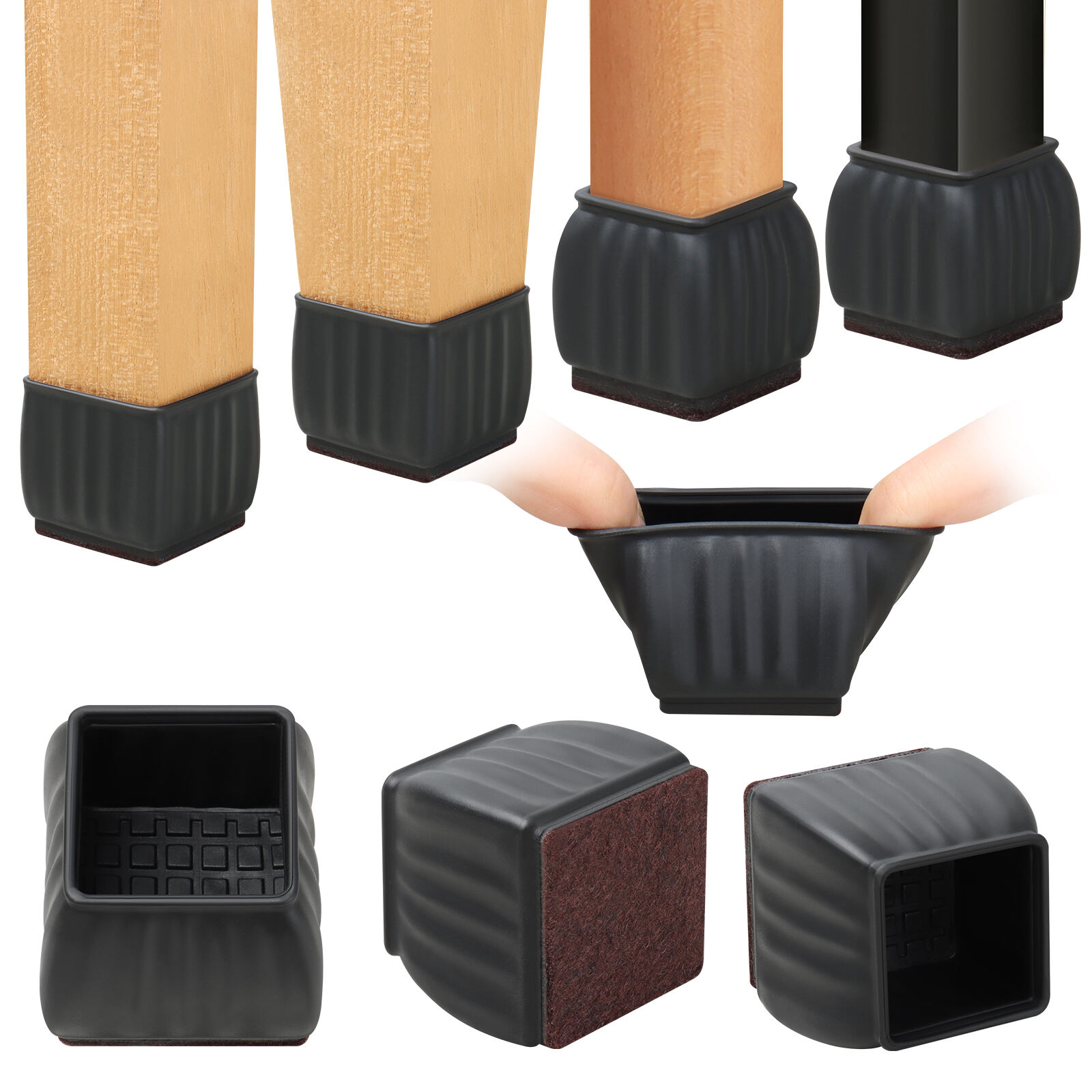
The importance of using quality chair foot pads extends beyond simple floor protection. These accessories contribute to noise reduction, improve furniture stability, and can even extend the lifespan of both your furniture and flooring. In commercial settings, chair foot pads are essential for maintaining professional appearances while reducing maintenance costs. The investment in proper floor protection pays dividends through reduced repair expenses, improved acoustics, and enhanced overall aesthetics of any space.
Superior Floor Protection Capabilities
Hardwood Floor Preservation
Hardwood floors represent a significant investment that requires careful protection to maintain their value and appearance. Chair foot pads create a cushioning layer that absorbs impact and distributes weight evenly across the floor surface. This distribution prevents the concentrated pressure that can cause dents, scratches, and permanent indentations in wood flooring. Premium chair foot pads utilize advanced materials that provide superior grip while remaining gentle on delicate wood finishes.
The protective benefits extend to both solid hardwood and engineered wood products. Modern chair foot pads incorporate felt backing or silicone construction that slides smoothly across wood surfaces without leaving marks or residue. This smooth gliding action reduces the friction that typically causes surface damage when chairs are moved frequently. Professional-grade chair foot pads also feature moisture-resistant properties that prevent water damage and warping around furniture legs.
Laminate and Vinyl Protection
Laminate and luxury vinyl flooring require specialized protection due to their unique surface characteristics and installation methods. Chair foot pads designed for these surfaces must balance protection with proper adhesion to prevent sliding while avoiding damage to the protective wear layer. High-quality pads utilize materials that complement the thermal expansion properties of these floating floor systems.
The surface texture of laminate and vinyl flooring can be particularly susceptible to scratching from metal furniture legs or worn plastic glides. Chair foot pads provide a consistent protective interface that maintains surface integrity regardless of furniture weight or movement frequency. Advanced pad designs incorporate anti-static properties that reduce dust accumulation and make cleaning more efficient around protected furniture pieces.
Noise Reduction and Acoustic Benefits
Sound Dampening Technology
One of the most appreciated benefits of quality chair foot pads is their ability to significantly reduce noise transmission. In multi-story buildings, apartments, or office environments, the sound of chairs scraping across floors can be a major source of disturbance. Professional-grade chair foot pads incorporate sound-absorbing materials that minimize impact noise and eliminate the harsh scraping sounds associated with unprotected furniture legs.
The acoustic properties of premium chair foot pads extend beyond simple noise reduction. These accessories help create more comfortable environments by reducing reverberation and echo in rooms with hard surface flooring. The sound dampening effect is particularly noticeable in spaces with high ceilings or minimal soft furnishings where acoustic control becomes essential for comfort and productivity.
Improved Work Environment Quality
In office settings, conference rooms, and educational facilities, the noise reduction provided by chair foot pads contributes to improved concentration and reduced stress levels. The elimination of disruptive scraping and sliding sounds creates a more professional atmosphere and allows for better communication during meetings and presentations. This acoustic improvement can have measurable impacts on productivity and workplace satisfaction.
The benefits extend to residential applications where open floor plans and hard surface flooring can create challenging acoustic environments. Chair foot pads help maintain peaceful home environments by reducing the transmission of furniture movement sounds between rooms and floors. This is particularly valuable in homes with young children, elderly residents, or individuals who work from home and require quiet environments.
Enhanced Furniture Stability and Performance
Improved Balance and Support
Quality chair foot pads contribute significantly to furniture stability by providing consistent contact with the floor surface. Uneven floors or furniture legs of slightly different lengths can cause wobbling and instability that affects both comfort and safety. Chair foot pads can compensate for minor variations in leg length and floor levelness, creating a more stable seating experience.
The stability improvement is particularly important for tall furniture pieces such as bar stools, office chairs, and dining chairs where balance is critical for user safety. Premium chair foot pads utilize advanced materials that maintain their shape and support properties over extended periods of use, ensuring consistent performance throughout their lifespan.
Extended Furniture Lifespan
The protective benefits of chair foot pads extend to the furniture itself, not just the flooring underneath. By eliminating direct contact between furniture legs and hard floor surfaces, these accessories prevent wear and damage to furniture feet and legs. This protection is particularly valuable for furniture with decorative or expensive leg finishes that would be costly to repair or replace.
Metal furniture legs are especially susceptible to corrosion and wear when in direct contact with moisture or abrasive floor surfaces. Chair foot pads create a barrier that prevents these damaging interactions while allowing for smooth, controlled movement. The result is furniture that maintains its appearance and structural integrity for significantly longer periods compared to unprotected pieces.
Economic and Maintenance Advantages
Cost-Effective Floor Protection
The economic benefits of implementing comprehensive chair foot pad protection become evident when compared to the costs of floor repair and replacement. Professional floor refinishing, scratch repair, and replacement can cost thousands of dollars, while a complete set of quality chair foot pads represents a minimal investment with maximum protective return. The cost-benefit ratio makes chair foot pads one of the most economical home and office improvements available.
In commercial environments, the economic advantages are even more pronounced due to higher traffic volumes and more frequent furniture movement. The prevention of floor damage through proper chair foot pad installation can result in significant savings on maintenance contracts, floor replacement schedules, and business disruption costs associated with major floor repairs.
Reduced Cleaning and Maintenance Requirements
Chair foot pads contribute to easier floor maintenance by preventing the accumulation of debris and scratches that can trap dirt and make cleaning more difficult. Smooth, protected surfaces are easier to sweep, vacuum, and mop, reducing the time and effort required for regular maintenance. This benefit is particularly valuable in high-traffic commercial environments where cleaning efficiency directly impacts operational costs.
The protective barrier created by quality chair foot pads also prevents the formation of permanent stains and marks that can occur when unprotected furniture legs interact with floor cleaning products or spilled liquids. This prevention of damage maintains the original appearance of flooring and reduces the need for specialized cleaning treatments or professional restoration services.
Installation and Selection Considerations
Proper Sizing and Fit
Selecting the appropriate size and style of chair foot pads is crucial for optimal performance and protection. Measurements of furniture leg dimensions should be taken carefully to ensure proper fit without creating instability or gaps that could allow damage to occur. Quality chair foot pads are available in various sizes and configurations to accommodate different furniture styles and leg shapes.
The installation process for most chair foot pads is straightforward and can be completed without professional assistance. However, proper preparation of furniture legs and floor surfaces ensures optimal adhesion and performance. Clean, dry surfaces provide the best foundation for chair foot pad installation, and following manufacturer guidelines ensures maximum effectiveness and longevity.
Material Selection and Performance
The choice of chair foot pad material significantly impacts performance characteristics such as durability, floor compatibility, and protective effectiveness. Felt-backed pads offer excellent protection for hardwood floors, while silicone and rubber options provide superior grip and stability on smooth surfaces. Understanding the specific requirements of your flooring type and furniture usage patterns guides optimal material selection.
Advanced chair foot pad designs incorporate multiple materials to maximize benefits across different performance criteria. Combination pads might feature felt backing for floor protection, rubber edges for grip, and synthetic cores for durability. These multi-material designs represent the latest innovations in floor protection technology and offer superior performance compared to single-material alternatives.
FAQ
How often should chair foot pads be replaced
Chair foot pads should typically be replaced every 12-18 months depending on usage frequency and quality. High-traffic commercial environments may require replacement every 6-12 months, while residential applications can often extend replacement intervals to 18-24 months. Signs that replacement is needed include visible wear, loss of adhesion, or reduced protective effectiveness. Regular inspection helps determine optimal replacement timing.
Can chair foot pads be used on all types of flooring
Quality chair foot pads are designed to be compatible with virtually all flooring types including hardwood, laminate, vinyl, tile, and concrete. However, specific pad materials and designs may be optimized for particular floor types. Felt-backed pads work best on hardwood, while silicone options excel on smooth surfaces like tile and vinyl. Always verify compatibility before installation to ensure optimal performance.
Do chair foot pads affect furniture stability or movement
Properly installed chair foot pads actually improve furniture stability by providing consistent contact with the floor and compensating for minor leg length variations. Quality pads allow smooth, controlled movement while maintaining stability during use. The key is selecting appropriately sized pads and ensuring proper installation to avoid creating height differences or instability issues.
Are chair foot pads worth the investment for temporary furniture placement
Chair foot pads provide immediate protection benefits that justify their cost even for temporary installations. Floor damage can occur within days or weeks of furniture placement, making protection essential regardless of duration. The minimal cost of chair foot pads compared to potential floor repair expenses makes them worthwhile for any furniture placement lasting more than a few days.


