
 EN
EN
 AR
AR
 BG
BG
 HR
HR
 CS
CS
 DA
DA
 NL
NL
 FI
FI
 FR
FR
 DE
DE
 EL
EL
 HI
HI
 IT
IT
 JA
JA
 KO
KO
 NO
NO
 PL
PL
 PT
PT
 RO
RO
 RU
RU
 ES
ES
 SV
SV
 CA
CA
 TL
TL
 IW
IW
 ID
ID
 LT
LT
 SR
SR
 SK
SK
 SL
SL
 UK
UK
 VI
VI
 HU
HU
 TR
TR
 AF
AF
 MS
MS
 GA
GA
 LA
LA
 MN
MN

Protecting your floors while ensuring furniture stability requires careful consideration when selecting chair foot pads. These essential accessories serve as the first line of defense against scratches, dents, and unwanted noise that can plague hardwood, laminate, and tile surfaces. Quality chair foot pads not only preserve your flooring investment but also enhance the longevity of your furniture by distributing weight evenly and reducing wear patterns. Understanding the key features that distinguish superior products from mediocre alternatives empowers homeowners and business owners to make informed purchasing decisions that deliver lasting value and protection.
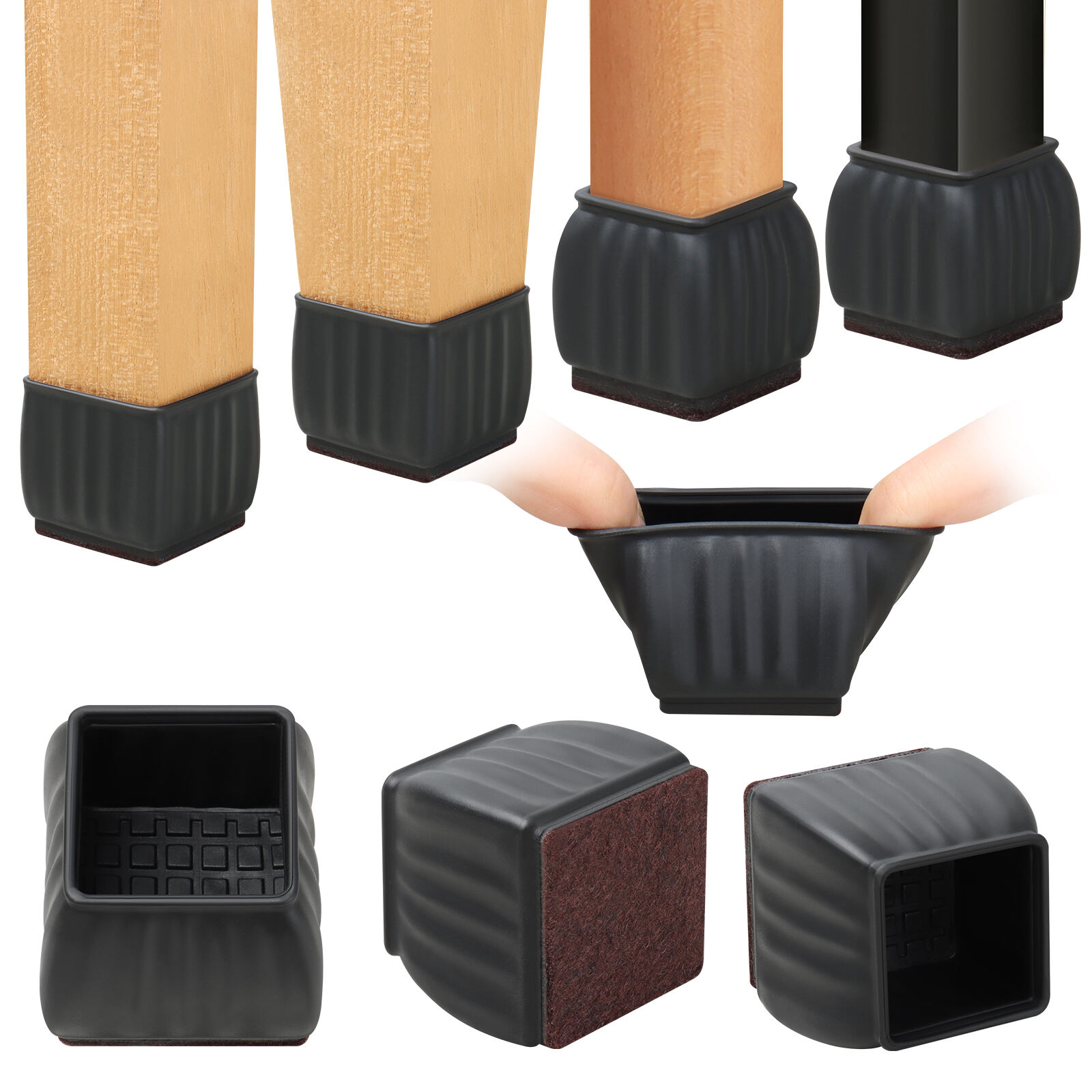
Material Composition and Durability Standards
Silicone versus Traditional Materials
Modern chair foot pads utilize advanced silicone compounds that outperform traditional rubber and plastic alternatives in multiple performance categories. Silicone materials demonstrate superior resistance to temperature fluctuations, maintaining flexibility in cold conditions while avoiding degradation in heat exposure scenarios. These premium materials resist cracking, hardening, and discoloration that commonly plague inferior chair foot pads manufactured from standard rubber compounds. The non-reactive nature of high-grade silicone prevents chemical interactions with floor finishes, ensuring long-term compatibility with various surface treatments and sealants.
Quality silicone chair foot pads exhibit exceptional tear resistance and maintain their protective properties throughout extended use cycles. Unlike traditional materials that become brittle over time, premium silicone formulations retain their shock-absorbing capabilities while resisting compression set that can compromise protective effectiveness. The molecular structure of advanced silicone materials provides consistent performance across diverse environmental conditions, making these products ideal for commercial applications where reliability cannot be compromised.
Felt Integration and Hybrid Construction
The most effective chair foot pads incorporate felt elements that enhance gliding capabilities while maintaining floor protection standards. High-density felt materials bonded to silicone bases create hybrid solutions that combine the smooth movement characteristics of traditional felt pads with the durability advantages of modern synthetic materials. This combination approach addresses the common limitation of pure felt products, which tend to collect debris and lose effectiveness over time in high-traffic environments.
Premium felt integration utilizes specialized adhesive systems that prevent delamination during regular use cycles. The thickness and density of felt components directly influence the smoothness of furniture movement, with properly engineered chair foot pads providing effortless gliding action without compromising stability. Quality manufacturers employ consistent felt thickness tolerances that ensure uniform performance across entire product sets, eliminating the uneven movement patterns that can result from inconsistent material specifications.
Size Compatibility and Fit Specifications
Universal Sizing Systems
Effective chair foot pads must accommodate the diverse range of furniture leg dimensions found in residential and commercial environments. Quality products feature universal sizing approaches that provide secure fits across multiple chair and stool configurations without requiring precise measurements or custom ordering processes. The most versatile chair foot pads incorporate expandable designs or multiple size options within single packages, ensuring compatibility with standard furniture dimensions ranging from lightweight residential chairs to heavy-duty commercial seating solutions.
Advanced sizing systems employ graduated internal dimensions that accommodate leg variations while maintaining secure attachment mechanisms. These sophisticated designs prevent the loose fits that can cause chair foot pads to shift or detach during regular use, ensuring consistent protection throughout the product lifecycle. Professional-grade products often include sizing guides or measurement tools that help users select appropriate configurations for their specific furniture types and leg geometries.
Installation and Attachment Methods
Superior chair foot pads feature installation systems that balance ease of application with long-term attachment security. Slip-on designs represent the most user-friendly approach, requiring no tools or adhesives while providing reliable retention through precision-engineered internal dimensions. These systems utilize flexible materials that stretch slightly during installation but maintain firm grips once properly positioned, preventing accidental displacement during furniture movement or repositioning activities.
Quality attachment mechanisms resist loosening under normal use conditions while allowing for removal and replacement when necessary. The internal surface textures of premium chair foot pads often incorporate grip-enhancing features that increase friction against furniture legs without causing damage to wood, metal, or plastic surfaces. These sophisticated retention systems eliminate the need for permanent attachment methods while ensuring reliable performance throughout extended use periods.
Floor Protection Performance
Scratch and Dent Prevention
The primary function of chair foot pads involves creating protective barriers between furniture legs and floor surfaces, preventing the scratches and dents that can significantly reduce property values and require expensive repairs. Quality products utilize materials with appropriate hardness ratings that effectively distribute furniture weight while maintaining sufficient cushioning properties to absorb impact forces during normal use. The surface contact area of well-designed chair foot pads spreads concentrated loads across larger floor areas, reducing pressure points that can cause permanent surface damage.
Premium chair foot pads incorporate multi-layer construction approaches that combine hard-wearing outer surfaces with shock-absorbing inner cores. This sophisticated engineering approach ensures that protective effectiveness remains consistent throughout product lifecycles while accommodating the varying weight distributions and movement patterns associated with different furniture types. The edge profiles of quality products feature smooth transitions that prevent snagging or catching on floor irregularities that could compromise protection levels or cause installation difficulties.
Noise Reduction Capabilities
Effective noise control represents a critical performance characteristic for chair foot pads installed in multi-level buildings or noise-sensitive environments. Quality products significantly reduce the scraping, scratching, and impact sounds that result from furniture movement on hard floor surfaces. The acoustic dampening properties of premium materials help maintain peaceful environments while preventing the transmission of structure-borne vibrations that can disturb occupants in adjacent spaces or lower floors.
Advanced chair foot pads utilize specialized material formulations that optimize sound absorption while maintaining durability requirements. The thickness and density characteristics of these materials directly influence noise reduction effectiveness, with properly engineered products providing substantial acoustic benefits without compromising other performance parameters. Quality products maintain their noise reduction capabilities throughout extended use periods, resisting the compression and hardening that can reduce acoustic effectiveness in inferior alternatives.
Design Features and Aesthetic Considerations
Color Options and Visual Integration
Modern chair foot pads offer diverse color options that enable seamless integration with existing furniture finishes and interior design schemes. Quality manufacturers provide neutral tones such as black, brown, and clear options that blend discretely with most furniture styles while maintaining professional appearances in commercial environments. The color stability of premium products prevents fading or discoloration that can create unsightly contrasts with furniture legs over time, ensuring long-term aesthetic compatibility.
Advanced coloring systems utilize fade-resistant pigments that maintain appearance standards throughout extended exposure to sunlight and cleaning chemicals. These sophisticated formulations prevent the yellowing or darkening effects that commonly affect lower-quality chair foot pads, preserving the visual integration that makes protective accessories virtually invisible during normal viewing conditions. Professional-grade products often include multiple color options within single packages, accommodating furniture sets that incorporate mixed finishes or materials.
Shape Variations and Profile Options
The geometric profiles of chair foot pads significantly influence both functional performance and aesthetic integration with various furniture styles. Square profiles provide maximum surface contact areas for optimal weight distribution, making these designs ideal for heavy furniture or applications requiring maximum floor protection. Round profiles offer enhanced mobility characteristics that facilitate smooth furniture repositioning while maintaining adequate protective coverage for most residential applications.
Quality chair foot pads incorporate profile designs that complement furniture leg geometries while optimizing protective effectiveness. The height and width ratios of well-engineered products balance stability requirements with clearance considerations, ensuring that furniture maintains proper positioning while gaining protective benefits. Advanced profile designs often include tapered edges or rounded transitions that enhance visual appeal while preventing accumulation of debris or cleaning difficulties in maintenance operations.
Performance Testing and Quality Assurance
Load-Bearing Capacity Standards
Professional-grade chair foot pads undergo rigorous testing protocols that verify load-bearing capabilities under various stress conditions. Quality products demonstrate consistent performance under static loads that exceed typical furniture weights by significant safety margins, ensuring reliable protection even in demanding commercial applications. The compression resistance characteristics of premium materials prevent permanent deformation that could compromise protective effectiveness or cause installation difficulties over time.
Advanced testing procedures evaluate chair foot pads under dynamic loading conditions that simulate real-world usage patterns including repeated furniture movement, weight shifts, and impact scenarios. These comprehensive evaluation methods identify potential failure modes while validating the long-term reliability characteristics that distinguish superior products from marginal alternatives. Quality manufacturers provide load capacity specifications that enable users to select appropriate products for their specific application requirements and furniture weights.
Longevity and Replacement Indicators
Understanding the expected service life of chair foot pads helps users plan maintenance schedules and budget for replacement costs while ensuring continuous floor protection. Quality products provide visual indicators or wear patterns that signal when replacement becomes necessary, preventing the gradual degradation of protective effectiveness that can result in floor damage. The predictable wear characteristics of premium materials enable proactive replacement strategies that maintain protection standards throughout furniture lifecycles.
Professional-grade chair foot pads maintain their protective capabilities for extended periods under normal use conditions, with quality products typically providing years of reliable service before replacement becomes necessary. The degradation patterns of superior materials allow for gradual performance reduction rather than sudden failures, providing users with adequate warning periods to plan replacement activities. Regular inspection protocols help identify early wear indicators while ensuring that chair foot pads continue providing optimal protection throughout their service lives.
FAQ
How often should chair foot pads be replaced to maintain optimal floor protection
Chair foot pads typically require replacement every two to four years depending on usage intensity and material quality, with high-traffic commercial environments necessitating more frequent replacement cycles. Visual inspection for cracking, hardening, or compression set provides reliable indicators for replacement timing, while maintaining protection effectiveness requires proactive replacement before complete failure occurs.
Can chair foot pads be used on all types of flooring materials safely
Quality chair foot pads demonstrate compatibility with virtually all common flooring materials including hardwood, laminate, tile, vinyl, and stone surfaces when manufactured from appropriate materials. Silicone-based products offer the broadest compatibility range due to their non-reactive properties, while ensuring that specific product specifications match intended flooring applications prevents compatibility issues.
What size chair foot pads work best for standard dining room furniture
Standard dining room chairs typically accommodate chair foot pads ranging from 1.1 to 1.45 inches in internal diameter, with universal sizing systems providing secure fits across most residential furniture dimensions. Measuring furniture leg diameters before purchase ensures proper fit, while products offering multiple size options within single packages provide flexibility for mixed furniture sets.
Do chair foot pads affect furniture stability or mobility during regular use
Properly selected chair foot pads enhance furniture stability by providing broader surface contact areas while maintaining smooth gliding characteristics that facilitate easy repositioning. Quality products incorporate felt elements or specialized surface treatments that reduce friction without compromising stability, ensuring that furniture remains secure during use while allowing effortless movement when necessary.


