
 EN
EN
 AR
AR
 BG
BG
 HR
HR
 CS
CS
 DA
DA
 NL
NL
 FI
FI
 FR
FR
 DE
DE
 EL
EL
 HI
HI
 IT
IT
 JA
JA
 KO
KO
 NO
NO
 PL
PL
 PT
PT
 RO
RO
 RU
RU
 ES
ES
 SV
SV
 CA
CA
 TL
TL
 IW
IW
 ID
ID
 LT
LT
 SR
SR
 SK
SK
 SL
SL
 UK
UK
 VI
VI
 HU
HU
 TR
TR
 AF
AF
 MS
MS
 GA
GA
 LA
LA
 MN
MN
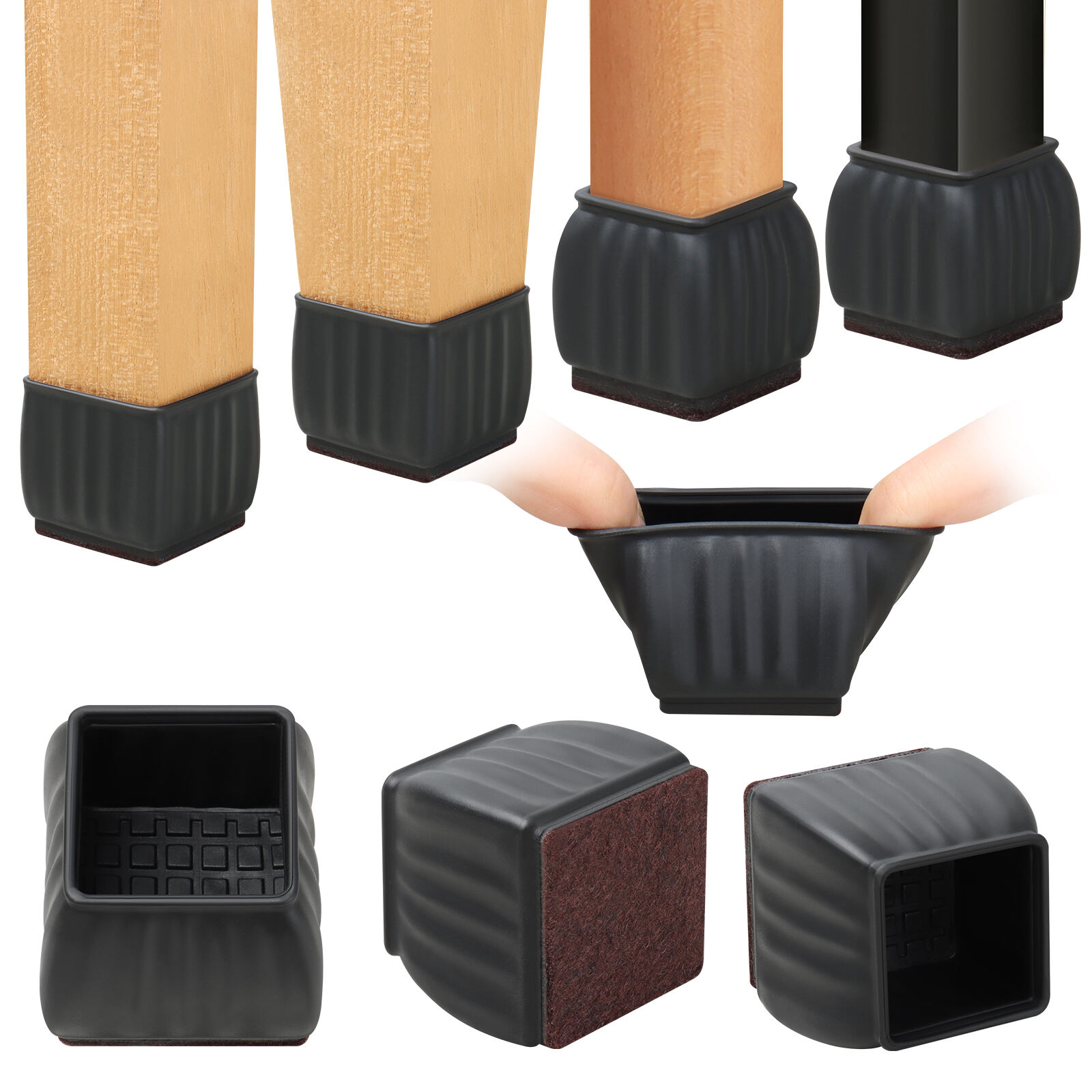
Chair foot pads are essential accessories that protect both your flooring and furniture while reducing noise and preventing scratches. These small but mighty protectors serve as the first line of defense between your chairs and expensive hardwood, tile, or laminate surfaces. Understanding how proper maintenance can significantly extend their lifespan will save you money and ensure optimal protection for years to come. Quality chair foot pads, when cared for correctly, can maintain their protective properties and aesthetic appeal far beyond their expected lifespan.
Understanding Chair Foot Pad Materials and Their Maintenance Needs
Silicone Chair Foot Pad Characteristics
Silicone chair foot pads offer superior durability and flexibility compared to other materials. These pads resist cracking, maintain their shape under pressure, and provide excellent grip on various floor surfaces. The non-porous nature of silicone makes it resistant to moisture and easy to clean, which significantly contributes to their longevity. Regular maintenance of silicone pads involves gentle cleaning with soap and water to remove accumulated dirt and debris that could compromise their protective function.
The elastic properties of silicone allow these chair foot pads to compress and expand repeatedly without losing their effectiveness. This material also resists temperature variations, making it suitable for rooms with fluctuating environmental conditions. Understanding these characteristics helps users implement appropriate maintenance routines that preserve the material's integrity and extend the product's useful life.
Felt and Fabric Pad Care Requirements
Felt chair foot pads require different maintenance approaches due to their fibrous composition. These pads excel at providing smooth gliding motion and sound dampening but can accumulate dust, pet hair, and small debris within their fibers. Regular vacuuming or brushing helps maintain their effectiveness and prevents the buildup of materials that could scratch floors. Felt pads should be inspected frequently for wear patterns and replaced when the material becomes thin or compressed beyond recovery.
Moisture management is crucial for felt chair foot pads, as excessive dampness can lead to deterioration and potential mold growth. In humid environments, these pads benefit from periodic removal and air drying to maintain their structural integrity. Proper storage of replacement felt pads in dry conditions ensures they remain in optimal condition when installation becomes necessary.
Essential Daily and Weekly Maintenance Practices
Routine Inspection and Cleaning Protocols
Daily visual inspections of chair foot pads help identify potential issues before they become significant problems. Look for signs of displacement, excessive wear, or debris accumulation that could affect performance. Weekly cleaning routines should include wiping down silicone pads with a damp cloth and mild detergent to remove surface contaminants. For felt pads, gentle brushing or vacuuming removes accumulated particles that could cause abrasive damage to floors.
Establishing consistent maintenance schedules ensures chair foot pads receive adequate attention to maintain their protective capabilities. Document any observations about wear patterns or performance changes to help predict when replacements might be necessary. This proactive approach prevents sudden failures that could result in floor damage or furniture instability.
Proper Chair Movement Techniques
The way chairs are moved significantly impacts the lifespan of chair foot pads. Lifting chairs slightly when repositioning them reduces stress on the pads and prevents excessive friction that can cause premature wear. Training family members or employees on proper chair handling techniques protects both the pads and the flooring underneath. Dragging chairs across floors, especially when loaded with weight, accelerates pad deterioration and reduces their protective effectiveness.
Implementing gentle movement practices becomes particularly important in high-traffic areas where chairs are frequently relocated. Consider marking optimal chair positions to minimize unnecessary movement and reduce wear on chair foot pads. These simple behavioral adjustments can significantly extend pad lifespan while maintaining floor protection standards.
Advanced Maintenance Techniques for Maximum Longevity
Deep Cleaning and Restoration Methods
Periodic deep cleaning of chair foot pads removes embedded contaminants that regular maintenance might miss. For silicone pads, soaking in warm soapy water followed by gentle scrubbing with a soft brush effectively removes stubborn deposits. Thorough rinsing and complete air drying prevent moisture retention that could compromise adhesive bonds or promote bacterial growth. This process should be performed monthly in high-use environments or quarterly in residential settings.
Restoration techniques can revive the appearance and function of quality chair foot pads that show signs of wear but remain structurally sound. Light sanding of heavily used felt pads can restore their texture and effectiveness, while silicone pads may benefit from specialized rubber conditioners that restore flexibility and grip properties.
Environmental Optimization Strategies
Creating optimal environmental conditions significantly extends chair foot pad lifespan. Maintaining consistent temperature and humidity levels prevents material degradation and reduces stress on pad attachment systems. Avoiding exposure to direct sunlight, which can cause some materials to become brittle or discolored, helps preserve both function and appearance. Floor cleaner residues can also affect pad performance, making it important to ensure complete floor drying before chair replacement.
Implementing protective measures such as area rugs in high-traffic zones reduces the workload on chair foot pads while providing additional floor protection. These environmental considerations create conditions that allow pads to perform optimally throughout their intended lifespan while reducing replacement frequency and associated costs.
Common Problems and Preventive Solutions
Addressing Adhesive Failure Issues
Adhesive failure represents one of the most common problems affecting chair foot pad longevity. Proper surface preparation before initial installation significantly impacts adhesive bond strength and durability. Cleaning chair legs thoroughly with alcohol-based cleaners removes oils and residues that interfere with adhesive performance. Allowing surfaces to dry completely before pad application ensures optimal bonding conditions that resist failure under normal use.
Temperature cycling can stress adhesive bonds, making it important to avoid extreme temperature exposure during the first 24 hours after installation. Chair foot pads installed in climate-controlled environments generally experience better adhesive longevity than those subjected to frequent temperature variations. When adhesive failure occurs, complete removal of old adhesive residue before installing replacement pads ensures optimal bonding for the new installation.
Managing Wear Pattern Development
Uneven wear patterns on chair foot pads indicate potential problems with chair stability, floor levelness, or usage patterns. Regular rotation of chairs can help distribute wear more evenly across multiple sets of pads, extending their collective lifespan. Identifying and addressing underlying causes of uneven wear, such as wobbly chair legs or uneven flooring, prevents accelerated deterioration of replacement pads.
Monitoring wear patterns also provides valuable information about chair usage patterns and can inform decisions about pad material selection for specific applications. High-wear areas may benefit from more durable materials, while low-traffic locations can utilize more economical options without sacrificing protection quality. This strategic approach optimizes both performance and cost-effectiveness.
Professional Installation and Replacement Considerations
Timing Replacement Decisions
Knowing when to replace chair foot pads requires balancing cost considerations with protection effectiveness. Visual indicators such as significant thickness reduction, cracking, or loss of adhesion signal the need for replacement. However, proactive replacement before complete failure prevents potential floor damage that could be far more expensive than the cost of new pads. Establishing replacement schedules based on usage patterns helps maintain consistent protection levels.
Bulk replacement of all chair foot pads simultaneously can be more cost-effective than individual replacements and ensures uniform protection quality across all furniture pieces. This approach also simplifies maintenance schedules and inventory management while providing opportunities to upgrade to improved pad designs or materials when available.
Quality Selection Criteria
Investing in high-quality chair foot pads provides better long-term value through extended lifespan and superior performance. Quality indicators include consistent material thickness, strong adhesive systems, and appropriate sizing for specific applications. Premium pads often incorporate advanced materials and manufacturing techniques that enhance durability and effectiveness compared to budget alternatives.
Compatibility between pad materials and flooring types affects both protection effectiveness and pad longevity. Researching manufacturer recommendations and user reviews provides valuable insights into real-world performance and helps inform purchase decisions. Quality chair foot pads represent a small investment that provides significant returns through extended furniture life and floor protection.
FAQ
How often should chair foot pads be replaced
The replacement frequency for chair foot pads depends on usage intensity, material quality, and environmental conditions. In high-traffic commercial environments, quality pads may last 6-12 months, while residential applications often achieve 1-2 years of service life. Regular inspection helps determine optimal replacement timing based on actual wear patterns rather than arbitrary schedules. Signs indicating replacement needs include visible thinning, cracking, loss of adhesion, or reduced protective effectiveness.
Can chair foot pads be cleaned and reused
Most chair foot pads can be cleaned and maintained to extend their lifespan, but reusability depends on the specific material and adhesive system. Silicone pads often maintain effectiveness through multiple cleaning cycles, while felt pads may lose structural integrity with repeated washing. Adhesive-backed pads typically cannot be successfully removed and reinstalled, making proper initial placement crucial for maximizing service life.
What causes premature chair foot pad failure
Premature failure of chair foot pads typically results from improper installation, excessive moisture exposure, or inappropriate usage patterns. Poor surface preparation before installation weakens adhesive bonds, while dragging heavy chairs across floors accelerates wear. Chemical exposure from harsh floor cleaners can degrade pad materials, and temperature extremes can affect both pad flexibility and adhesive performance. Understanding these factors helps implement preventive measures that extend pad lifespan.
Are expensive chair foot pads worth the investment
Higher-quality chair foot pads often provide better long-term value through extended lifespan, superior protection, and reduced replacement frequency. Premium materials resist wear and environmental stresses better than budget alternatives, while advanced adhesive systems maintain stronger bonds under challenging conditions. The initial cost difference becomes negligible when calculated over the extended service life, making quality pads a worthwhile investment for most applications.


