
 EN
EN
 AR
AR
 BG
BG
 HR
HR
 CS
CS
 DA
DA
 NL
NL
 FI
FI
 FR
FR
 DE
DE
 EL
EL
 HI
HI
 IT
IT
 JA
JA
 KO
KO
 NO
NO
 PL
PL
 PT
PT
 RO
RO
 RU
RU
 ES
ES
 SV
SV
 CA
CA
 TL
TL
 IW
IW
 ID
ID
 LT
LT
 SR
SR
 SK
SK
 SL
SL
 UK
UK
 VI
VI
 HU
HU
 TR
TR
 AF
AF
 MS
MS
 GA
GA
 LA
LA
 MN
MN
Protecting your floors while maintaining furniture stability requires strategic placement of quality chair foot pads throughout your living and working spaces. These essential accessories serve as the first line of defense against scratches, scuffs, and noise while ensuring smooth movement and extended floor life. Understanding where to position chair foot pads most effectively can transform your daily experience and preserve your investment in quality flooring materials.
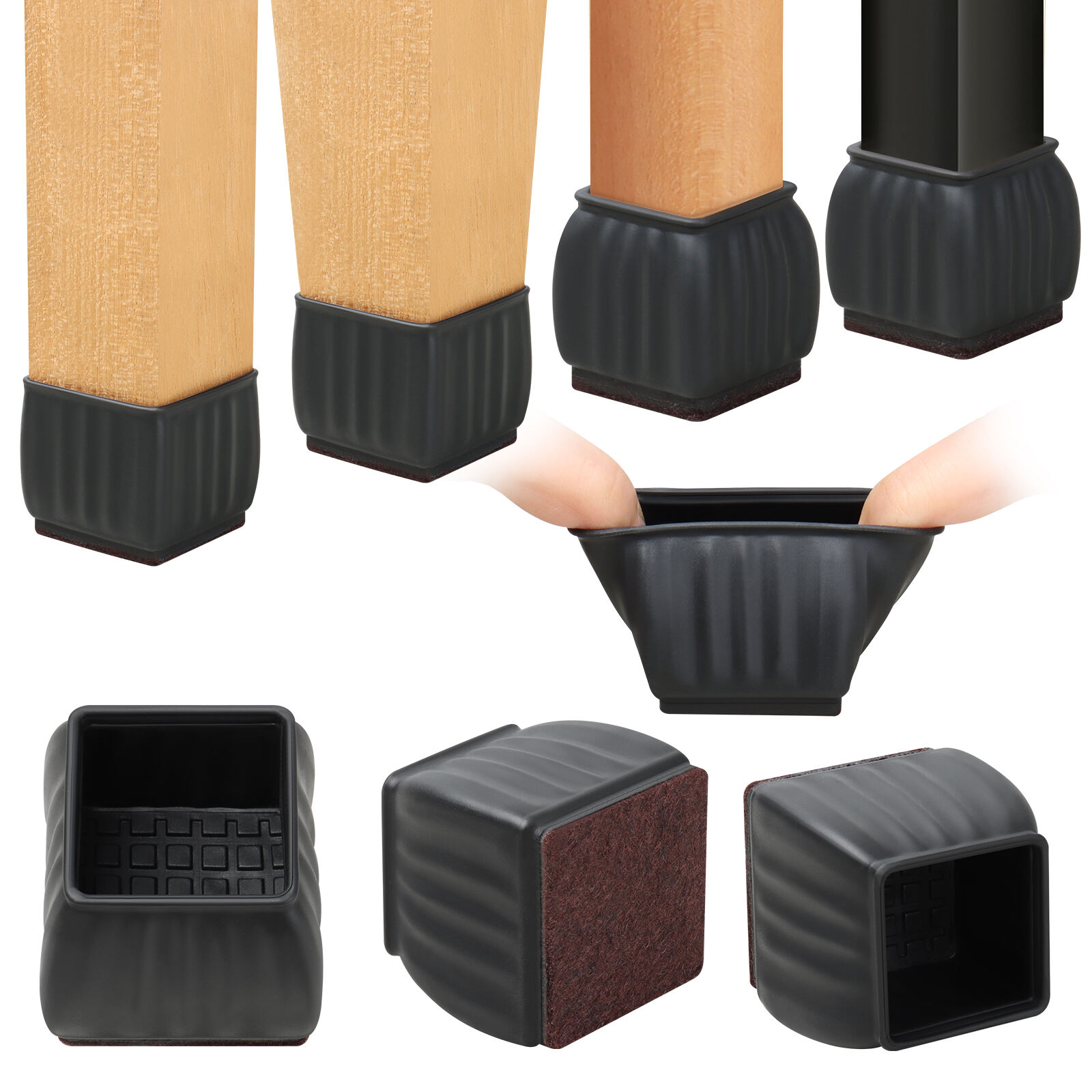
Modern homes and offices present unique challenges for floor protection, with various surface materials requiring different approaches to furniture care. From hardwood and laminate to tile and luxury vinyl, each flooring type benefits from properly positioned chair foot pads that address specific wear patterns and usage demands.
High-Traffic Dining Areas
Kitchen Dining Spaces
Kitchen dining areas experience constant chair movement throughout the day, making them prime locations for chair foot pads installation. Breakfast routines, meal preparation interactions, and casual dining create repetitive sliding and repositioning that can quickly damage unprotected floors. Quality chair foot pads in these spaces prevent the accumulation of scratches from daily use while reducing noise levels during early morning and late evening activities.
The proximity to food preparation areas also means kitchen dining chairs encounter spills, crumbs, and moisture that can affect floor integrity. Chair foot pads create a barrier that prevents debris accumulation under furniture legs while maintaining easy cleaning access. This positioning proves especially beneficial for families with children who frequently move chairs during homework sessions and snack times.
Formal Dining Rooms
Formal dining rooms require chair foot pads that balance floor protection with aesthetic considerations. These spaces typically feature heavier furniture pieces that exert more pressure on flooring surfaces during repositioning for special occasions and gatherings. Strategic placement of chair foot pads ensures that formal dining sets maintain their elegant appearance while providing essential floor protection during entertaining.
The intermittent use pattern in formal dining areas creates unique challenges, as chairs may remain stationary for extended periods before sudden intensive use during holidays and celebrations. Chair foot pads prevent indentation marks from developing during static periods while facilitating smooth movement when guests require seating adjustments.
Productive Office Environments
Executive Office Spaces
Executive offices demand chair foot pads that support professional aesthetics while delivering superior floor protection for high-end materials. These environments typically feature expensive hardwood, marble, or premium carpet tiles that require specialized protection from executive seating solutions. Daily meetings, phone conversations, and desk work create consistent furniture movement patterns that benefit from quality chair foot pads positioned strategically under all seating options.
The professional atmosphere in executive spaces requires chair foot pads that operate silently while maintaining furniture stability during important conversations and video conferences. Proper placement ensures that chair adjustments and position changes occur without distracting noise or visible floor damage that could impact professional impressions.
Open Plan Workspaces
Open plan offices present complex chair foot pads placement challenges due to varying floor materials, high occupancy levels, and frequent furniture reconfiguration needs. These dynamic environments require durable protection solutions that accommodate changing workspace layouts while maintaining consistent floor protection standards across diverse seating arrangements.
Collaboration zones within open offices experience particularly intensive chair movement as employees gather for impromptu meetings and project discussions. Chair foot pads in these areas must withstand frequent repositioning while preventing the accumulation of noise that could disturb neighboring work areas. Strategic placement considerations include traffic flow patterns and acoustic requirements that vary throughout the workspace.
Comfortable Living Spaces
Primary Living Rooms
Living rooms serve as central gathering spaces where chair foot pads play crucial roles in maintaining floor integrity while supporting diverse daily activities. From movie nights and game sessions to formal entertaining and quiet reading, these versatile spaces require protection solutions that adapt to varying usage patterns without compromising comfort or style.
The combination of lightweight accent chairs, substantial recliners, and moveable seating options creates complex protection requirements that benefit from comprehensive chair foot pads deployment. Proper placement ensures that furniture rearrangement for cleaning or entertaining occurs smoothly while preventing damage to expensive flooring investments.
Recreation and Entertainment Areas
Entertainment spaces including home theaters, game rooms, and media areas experience unique furniture movement patterns that require specialized chair foot pads considerations. These environments often feature specialized seating that may be repositioned frequently for optimal viewing angles or gaming comfort, creating specific floor protection needs.
The extended usage periods common in entertainment areas can create pressure points where furniture legs remain stationary for hours at a time. Chair foot pads prevent indentation damage while ensuring that position adjustments for comfort or cleaning occur without floor damage or excessive noise that could disturb other household members.
Specialized Application Areas
Home Workshop and Craft Spaces
Workshop and craft areas require chair foot pads that withstand challenging conditions while providing reliable floor protection in spaces designed for creativity and productivity. These environments often feature concrete floors, exposed subfloors, or protective covering materials that benefit from furniture protection solutions designed for durability and functionality.
The variable nature of workshop activities means chair foot pads must accommodate both stationary work periods and frequent repositioning for project access. Dust, debris, and material particles common in these spaces require protection solutions that maintain effectiveness despite challenging environmental conditions.
Educational and Study Areas
Home offices, study rooms, and educational spaces benefit from chair foot pads that support concentration while protecting flooring from repetitive furniture movement. These environments experience consistent daily use patterns that can quickly wear unprotected floors, particularly in areas where chairs slide frequently during research activities and project work.
Children's study areas present additional considerations, as younger users may be less mindful of furniture placement and movement intensity. Chair foot pads in these spaces must provide reliable protection while withstanding the more vigorous use patterns typical of educational activities and homework sessions.
Selection and Installation Considerations
Material Compatibility Assessment
Effective chair foot pads placement requires careful consideration of flooring materials and their specific protection requirements. Hardwood floors benefit from felt-based solutions that prevent scratches while allowing smooth movement, while carpet applications require different approaches that prevent crushing and maintain stability without creating excessive friction.
Luxury vinyl and laminate surfaces present unique challenges that require chair foot pads designed for synthetic materials with specific expansion and contraction characteristics. Proper material matching ensures long-term effectiveness while preventing damage to both furniture legs and flooring surfaces.
Maintenance and Replacement Planning
Strategic chair foot pads placement includes planning for ongoing maintenance and periodic replacement to maintain optimal protection levels. High-use areas require more frequent inspection and replacement schedules, while occasional-use spaces may maintain effectiveness for extended periods with minimal attention.
Regular cleaning protocols ensure that chair foot pads continue providing effective protection without accumulating debris that could scratch floors or reduce sliding efficiency. Proper maintenance extends the functional life of both the protective pads and the flooring materials they protect.
FAQ
How often should chair foot pads be replaced in high-traffic areas
Chair foot pads in high-traffic areas typically require replacement every 6-12 months depending on usage intensity and floor material. Daily use environments like kitchen dining areas and office spaces show wear more quickly than occasional-use formal spaces. Regular inspection every few months helps identify when replacement is needed before floor damage occurs.
Can different types of chair foot pads be mixed within the same room
While functionally possible, mixing different chair foot pads types within the same space can create inconsistent sliding characteristics and aesthetic discontinuity. For optimal results, use matching pad types throughout individual rooms while selecting different solutions for spaces with varying floor materials or usage requirements.
What thickness of chair foot pads works best for different furniture weights
Lightweight chairs typically work well with standard thickness chair foot pads around 3-5mm, while heavier furniture pieces benefit from thicker options up to 8-10mm for better weight distribution. Executive office chairs and dining sets with solid wood construction require more substantial protection than lightweight accent pieces or occasional seating.
How do you prevent chair foot pads from sliding off furniture legs
Proper sizing ensures chair foot pads fit snugly on furniture legs without being too tight or loose. Clean the furniture leg surface before application, and consider adhesive-backed options for problematic applications. Regular inspection and adjustment prevent displacement that could lead to floor damage or pad loss.


