
 EN
EN
 AR
AR
 BG
BG
 HR
HR
 CS
CS
 DA
DA
 NL
NL
 FI
FI
 FR
FR
 DE
DE
 EL
EL
 HI
HI
 IT
IT
 JA
JA
 KO
KO
 NO
NO
 PL
PL
 PT
PT
 RO
RO
 RU
RU
 ES
ES
 SV
SV
 CA
CA
 TL
TL
 IW
IW
 ID
ID
 LT
LT
 SR
SR
 SK
SK
 SL
SL
 UK
UK
 VI
VI
 HU
HU
 TR
TR
 AF
AF
 MS
MS
 GA
GA
 LA
LA
 MN
MN
Protecting your floors while maintaining the functionality of your office furniture is a critical consideration for any modern workspace. Chair foot pads have emerged as an indispensable solution for professionals who want to preserve their flooring investment while ensuring smooth chair movement throughout the day. These small but mighty accessories provide a barrier between your furniture legs and delicate floor surfaces, preventing scratches, scuffs, and long-term damage that can be costly to repair.
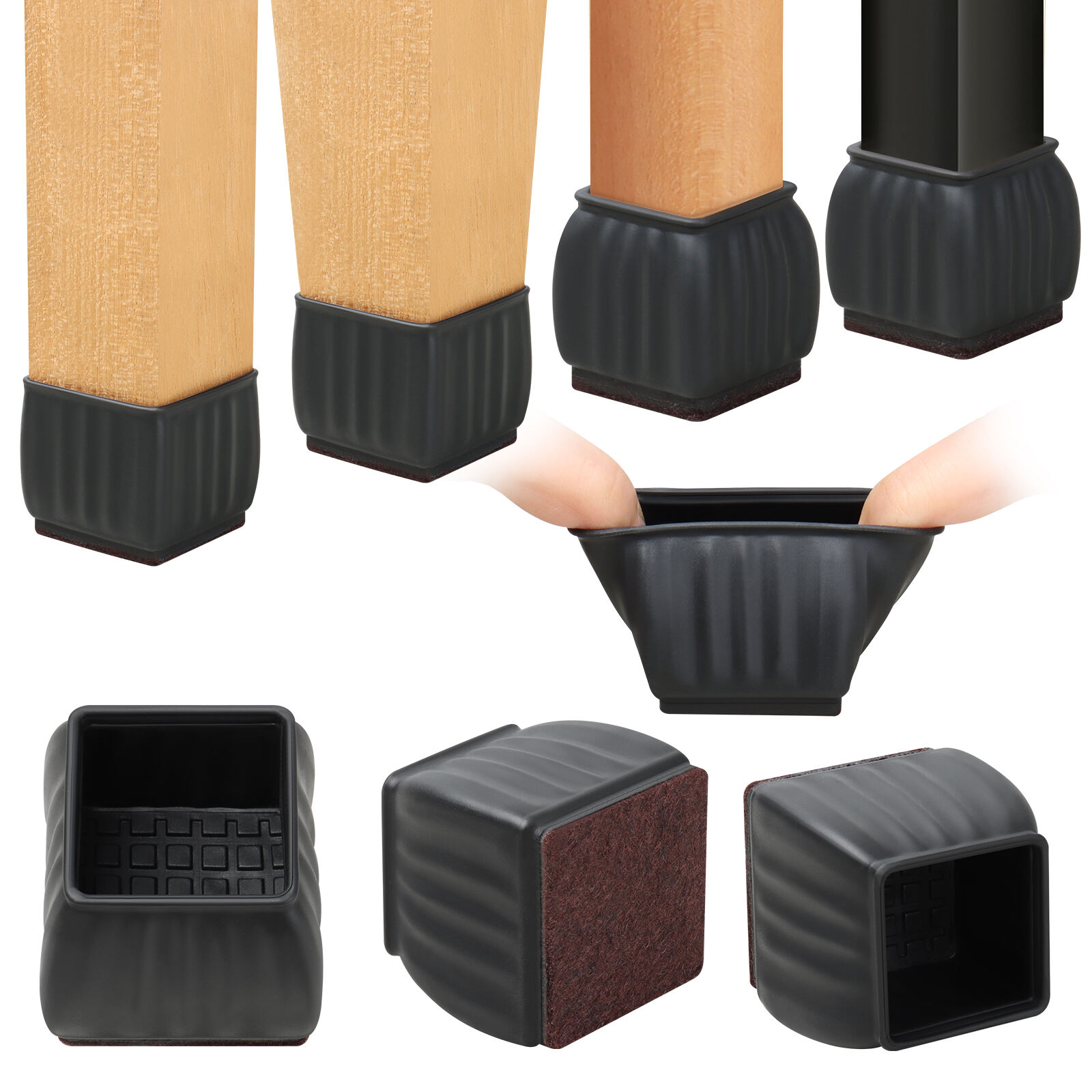
The investment in quality chair foot pads extends beyond simple floor protection, offering noise reduction benefits that create a more peaceful work environment. When chair legs scrape against hard surfaces, they produce disruptive sounds that can interfere with concentration and productivity. Premium chair foot pads eliminate this issue by creating a cushioned interface that allows for silent movement across various floor types.
Understanding the Critical Role of Chair Foot Pads in Office Environments
Floor Protection Technology and Materials
Modern chair foot pads utilize advanced materials science to deliver superior protection without compromising chair stability or mobility. Silicone-based protectors offer exceptional durability and grip properties, while felt alternatives provide smooth gliding capabilities for frequent chair repositioning. The engineering behind effective chair foot pads involves understanding the coefficient of friction between different materials and how they interact with various flooring surfaces.
High-quality chair foot pads incorporate multi-layer construction that balances protection with functionality. The top layer typically features materials that grip the chair leg securely, preventing the protector from shifting or falling off during use. The bottom layer focuses on floor interaction, utilizing materials that protect surfaces while allowing controlled movement when necessary.
Noise Reduction and Workplace Productivity
The acoustic benefits of installing chair foot pads in office environments cannot be overstated, particularly in open-plan workspaces where sound travels freely. These protective accessories significantly reduce the scraping, sliding, and bumping noises that occur when chairs move across hard flooring surfaces. Research indicates that workplace noise reduction can improve employee concentration by up to thirty percent, making chair foot pads a worthwhile investment for productivity enhancement.
Professional-grade chair foot pads also contribute to creating a more polished and considerate work environment. Teams that implement comprehensive floor protection strategies demonstrate attention to detail and respect for shared spaces. This consideration extends to client-facing areas where the smooth, silent movement of furniture reflects organizational professionalism.
Selecting the Right Chair Foot Pads for Different Floor Types
Hardwood Floor Considerations
Hardwood floors require specialized chair foot pads that prevent scratching while maintaining the natural beauty of the wood surface. The ideal protectors for hardwood applications feature soft, non-abrasive materials that distribute chair weight evenly across a larger surface area. Silicone chair foot pads excel in hardwood environments because they provide excellent grip without leaving residue or causing discoloration over time.
When selecting chair foot pads for hardwood floors, consider the finish and age of your flooring. Newer hardwood installations may benefit from felt-based protectors that offer smooth gliding properties, while older or more delicate finishes require the gentle protection that premium silicone products provide. The key is matching the protector material to both the chair usage patterns and the specific characteristics of your hardwood flooring.
Carpet and Tile Applications
Carpeted office spaces present unique challenges for chair foot pads, as the protectors must prevent chair legs from catching in carpet fibers while maintaining stability. Low-profile chair foot pads work best in carpeted environments, allowing chairs to glide smoothly without creating excessive pressure points that could damage carpet backing or create uneven wear patterns.
Tile flooring requires chair foot pads that can handle the hard, often slippery surface characteristics of ceramic, porcelain, or stone materials. The best protectors for tile applications combine grip technology with shock absorption, preventing both scratches and the jarring impact that occurs when chairs bump against hard surfaces. Quality chair foot pads designed for tile surfaces often feature textured bottoms that provide controlled traction while protecting the flooring investment.
Installation and Maintenance Best Practices
Proper Installation Techniques
Successful chair foot pads installation begins with thorough preparation of both the chair legs and the protective accessories themselves. Clean all chair legs with appropriate cleaning solutions to remove dust, debris, and any existing adhesive residue that could interfere with proper adhesion. Allow surfaces to dry completely before proceeding with installation to ensure optimal bonding between the chair foot pads and the furniture.
Measure chair leg dimensions carefully to select appropriately sized chair foot pads that provide complete coverage without overhang. Most quality protectors feature sizing guides or adjustable designs that accommodate various leg shapes and dimensions. Position each protector squarely on the chair leg bottom, applying firm, even pressure to activate adhesive components or secure mechanical fastening systems.
Long-term Maintenance and Replacement
Regular inspection of chair foot pads ensures continued protection and optimal performance throughout their service life. Check protectors monthly for signs of wear, damage, or displacement that could compromise their protective capabilities. Quality chair foot pads typically provide six to twelve months of service in moderate-use office environments, though high-traffic applications may require more frequent replacement.
Cleaning chair foot pads during routine office maintenance helps extend their useful life and maintains their protective properties. Most silicone and felt protectors can be wiped clean with mild soap solutions, while more heavily soiled units may require removal and thorough cleaning before reinstallation. Establish a maintenance schedule that includes chair foot pads inspection and cleaning as part of comprehensive facility care protocols.
Cost-Benefit Analysis of Premium Chair Foot Pads
Financial Protection of Flooring Investments
The economic case for investing in quality chair foot pads becomes clear when considering the cost of floor repairs and refinishing. Hardwood floor restoration can range from hundreds to thousands of dollars depending on the extent of damage, while premium chair foot pads typically cost less than fifty dollars for a complete office setup. This dramatic cost differential makes protective accessories one of the most cost-effective facility management investments available.
Commercial flooring installations represent significant capital investments that require ongoing protection to maintain their value and appearance. Chair foot pads serve as insurance policies against premature flooring replacement, extending the useful life of expensive materials by preventing the cumulative damage that occurs from daily furniture movement. The return on investment for quality protectors often exceeds one thousand percent when compared to flooring repair costs.
Productivity and Professional Image Benefits
Beyond direct cost savings, chair foot pads contribute to improved workplace productivity through noise reduction and enhanced furniture mobility. Employees working in quieter environments demonstrate improved focus and reduced stress levels, translating to measurable productivity gains. The smooth operation of protected furniture also reduces physical strain and frustration associated with difficult-to-move chairs.
Professional service providers and client-facing businesses benefit from the polished appearance and quiet operation that quality chair foot pads provide. These accessories contribute to an overall impression of attention to detail and quality that can influence client perceptions and business relationships. The investment in comprehensive furniture protection demonstrates organizational commitment to maintaining professional standards.
Advanced Features in Modern Chair Foot Pads
Innovative Material Technologies
Contemporary chair foot pads incorporate advanced polymer technologies that deliver superior performance characteristics compared to traditional felt or rubber alternatives. Medical-grade silicone formulations provide exceptional durability, chemical resistance, and temperature stability that ensures consistent protection across various environmental conditions. These materials maintain their protective properties without degrading or leaving residues on flooring surfaces.
Multi-density construction techniques allow manufacturers to optimize chair foot pads for specific applications by combining different material properties within single protective units. Hard outer shells provide structural integrity and chair leg grip, while softer inner layers absorb impact and provide cushioning effects. This engineering approach maximizes both protection and longevity.
Universal Compatibility and Sizing Options
Modern chair foot pads feature sophisticated sizing systems that accommodate the wide variety of chair leg shapes and dimensions found in contemporary office furniture. Adjustable designs utilize expandable materials or modular components that conform to different leg profiles while maintaining secure attachment. These universal compatibility features eliminate the guesswork involved in selecting appropriate protectors for mixed furniture environments.
Premium chair foot pads often include multiple sizing options within single product packages, allowing facility managers to protect various furniture types with unified procurement processes. This approach simplifies inventory management while ensuring consistent protection standards across diverse furniture collections. The convenience of universal compatibility reduces installation time and minimizes the risk of incorrect sizing.
Environmental Impact and Sustainability Considerations
Eco-Friendly Material Choices
Sustainable chair foot pads utilize recycled materials and environmentally responsible manufacturing processes that minimize ecological impact while delivering excellent protection performance. Recycled rubber and bio-based polymer formulations provide comparable durability to traditional materials while reducing dependence on virgin resources. These eco-conscious alternatives appeal to organizations implementing comprehensive sustainability initiatives.
The longevity of quality chair foot pads contributes to environmental sustainability by reducing replacement frequency and associated packaging waste. Durable protectors that maintain their effectiveness for extended periods minimize the environmental footprint of facility maintenance activities while providing consistent floor protection. This sustainability aspect adds value for environmentally conscious organizations and green building certification programs.
Waste Reduction and Circular Economy Benefits
Chair foot pads support circular economy principles by preventing premature flooring replacement and extending the useful life of expensive materials. This waste reduction benefit has measurable environmental impacts that align with corporate sustainability goals and environmental stewardship commitments. Organizations that implement comprehensive furniture protection strategies demonstrate environmental responsibility while achieving practical cost savings.
End-of-life considerations for chair foot pads include recyclability and proper disposal methods that minimize environmental impact. Many modern protectors feature materials that can be recycled through standard industrial processes, while biodegradable options are emerging for applications where environmental impact is a primary concern. These considerations make quality chair foot pads attractive options for sustainability-focused facility management.
FAQ
How long do quality chair foot pads typically last in office environments
Premium chair foot pads generally provide six to twelve months of reliable service in typical office applications, though longevity depends on usage frequency, floor type, and chair weight. Heavy-duty silicone protectors often exceed twelve months in moderate-use environments, while felt-based alternatives may require replacement every six to nine months. Regular inspection helps determine optimal replacement timing based on actual wear patterns.
Can chair foot pads be used on all types of office chairs
Most quality chair foot pads feature universal compatibility designs that accommodate standard office chair leg shapes and sizes. However, specialty furniture with unusual leg configurations may require custom solutions or specific protector designs. Measure chair leg dimensions before purchasing to ensure proper fit, and consider adjustable or multi-size options for mixed furniture environments.
Do chair foot pads affect chair stability or mobility
Properly installed chair foot pads should not compromise chair stability when correctly sized and applied according to manufacturer instructions. Quality protectors actually improve chair stability by providing broader contact surfaces and reducing leg movement on smooth floors. Mobility characteristics may change slightly, with most users experiencing smoother, quieter chair movement across various floor surfaces.
What maintenance is required for chair foot pads
Chair foot pads require minimal maintenance beyond periodic cleaning and inspection for wear or damage. Wipe protectors clean with mild soap solutions during routine office cleaning, and check monthly for displacement or deterioration that could compromise protection effectiveness. Replace worn or damaged protectors promptly to maintain consistent floor protection and optimal performance characteristics.
Table of Contents
- Understanding the Critical Role of Chair Foot Pads in Office Environments
- Selecting the Right Chair Foot Pads for Different Floor Types
- Installation and Maintenance Best Practices
- Cost-Benefit Analysis of Premium Chair Foot Pads
- Advanced Features in Modern Chair Foot Pads
- Environmental Impact and Sustainability Considerations
- FAQ


