
 EN
EN
 AR
AR
 BG
BG
 HR
HR
 CS
CS
 DA
DA
 NL
NL
 FI
FI
 FR
FR
 DE
DE
 EL
EL
 HI
HI
 IT
IT
 JA
JA
 KO
KO
 NO
NO
 PL
PL
 PT
PT
 RO
RO
 RU
RU
 ES
ES
 SV
SV
 CA
CA
 TL
TL
 IW
IW
 ID
ID
 LT
LT
 SR
SR
 SK
SK
 SL
SL
 UK
UK
 VI
VI
 HU
HU
 TR
TR
 AF
AF
 MS
MS
 GA
GA
 LA
LA
 MN
MN

Selecting the right chair foot pads for your flooring can make the difference between preserving your floors for years or dealing with costly damage and unsightly scratches. Whether you have hardwood, tile, laminate, or carpet, understanding how different pad materials interact with specific floor types is essential for making an informed decision. The wrong choice can lead to scratches, dents, staining, or inadequate protection that defeats the purpose entirely. With numerous materials available including felt, rubber, silicone, and plastic, each offering unique benefits and drawbacks, choosing the optimal chair foot pads requires careful consideration of your flooring material, chair weight, usage frequency, and aesthetic preferences.
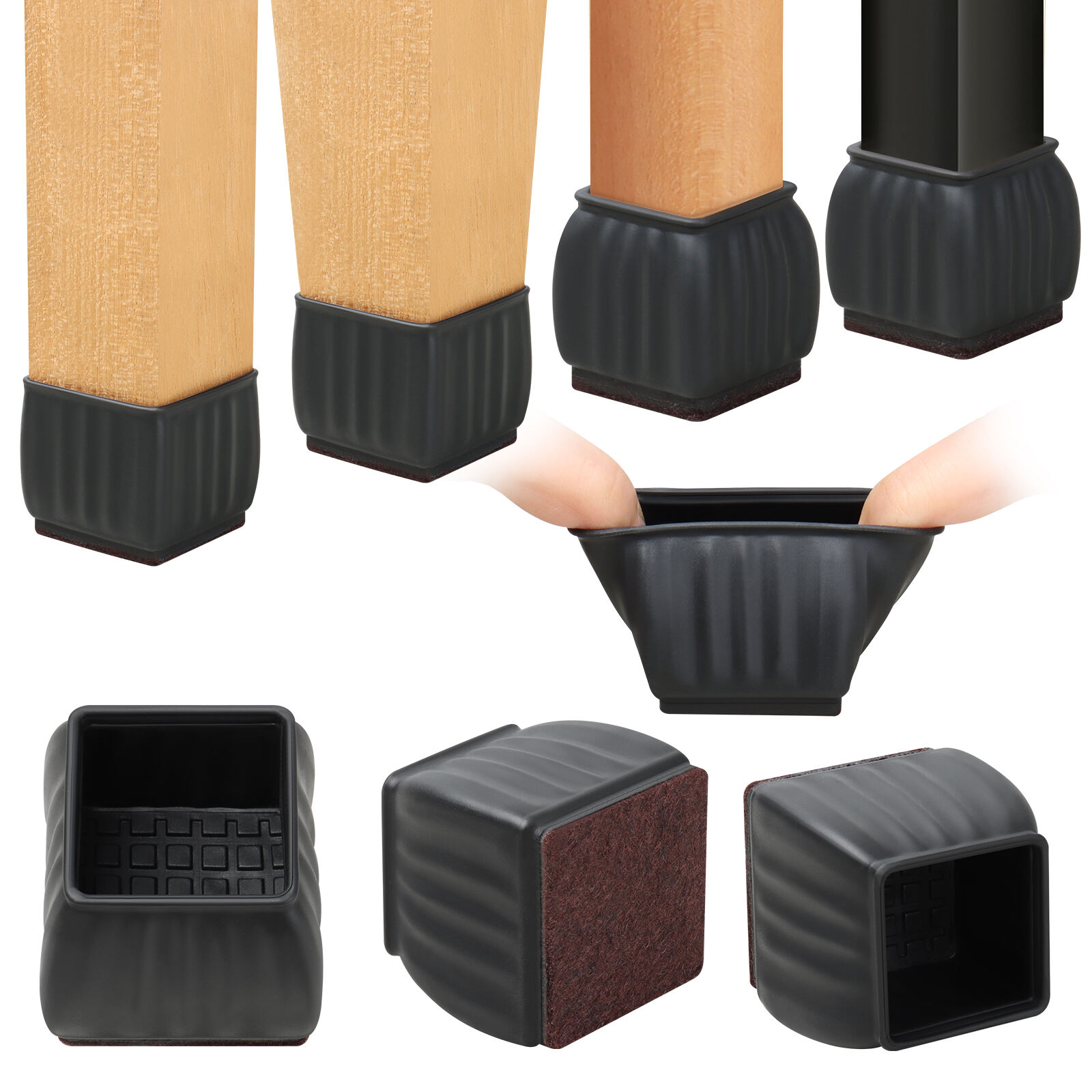
Understanding Different Flooring Types and Protection Requirements
Hardwood Floor Characteristics
Hardwood floors represent one of the most vulnerable flooring types when it comes to furniture damage, making chair foot pads absolutely essential for protection. These natural wood surfaces are susceptible to scratches, dents, and gouges from chair legs, particularly when chairs are moved frequently. The finish on hardwood floors, whether polyurethane, wax, or oil-based, can be easily damaged by abrasive materials or excessive pressure. Temperature and humidity changes also cause hardwood to expand and contract, creating additional vulnerability points where chair foot pads provide crucial protection. Understanding your hardwood's specific finish type helps determine which pad materials will provide optimal protection without causing chemical reactions or discoloration.
The grain pattern and hardness rating of your wood flooring also influence pad selection decisions. Softer woods like pine or cedar require more cushioning protection, while harder species like oak or maple can handle slightly firmer pad materials. However, even the hardest wood floors benefit significantly from quality chair foot pads that distribute weight evenly and prevent point loading that creates permanent indentations. Regular maintenance becomes much easier when proper pads protect the floor surface from daily wear and tear.
Tile and Stone Floor Considerations
Ceramic, porcelain, and natural stone floors present unique challenges for chair foot pads selection due to their hard, unforgiving surfaces. While these materials resist scratching better than wood, they can be damaged by heavy furniture legs creating chips or cracks, especially along grout lines where structural integrity is compromised. Chair foot pads for tile floors must provide adequate cushioning while maintaining stability and preventing slipping. The smooth surface of most tiles means that certain pad materials may not adhere properly or could create sliding hazards.
Natural stone floors like marble, granite, or travertine require special consideration because some pad materials can cause chemical etching or staining. Acidic materials or certain rubber compounds can permanently damage stone surfaces, making material compatibility a critical factor. Additionally, the typically higher cost of stone flooring makes protection investment particularly worthwhile, as replacement or refinishing expenses can be substantial.
Material Properties of Chair Foot Pads
Felt Chair Foot Pads Performance
Felt chair foot pads remain among the most popular choices for hardwood floor protection due to their excellent gliding properties and gentle surface contact. Made from compressed wool or synthetic fibers, felt pads provide smooth movement while distributing chair weight over a larger surface area. The soft texture of felt prevents scratching while allowing chairs to slide easily across floor surfaces. However, felt pads have limitations including tendency to collect dust and debris, which can reduce effectiveness over time. They also wear down relatively quickly with heavy use and may require frequent replacement.
The adhesive backing on felt chair foot pads can sometimes fail, particularly in humid environments or with temperature fluctuations. Quality felt pads feature strong adhesive that maintains bond strength over extended periods, but cheaper options may detach frequently. For optimal performance, felt pads work best on smooth, finished surfaces and provide excellent protection for light to medium-weight chairs used in residential settings.
Rubber and Silicone Pad Advantages
Rubber and silicone chair foot pads offer superior durability and grip compared to felt alternatives, making them ideal for heavy-duty applications. These materials resist wearing down and maintain their protective properties much longer than organic alternatives. Silicone pads particularly excel in moisture-rich environments like kitchens or bathrooms where felt might deteriorate quickly. The non-slip properties of rubber and silicone make them excellent choices for smooth surfaces where chair stability is important.
Modern silicone formulations provide excellent floor protection while remaining chemically inert, meaning they won't react with floor finishes or cause discoloration. The flexibility of these materials allows them to conform to slight irregularities in flooring surfaces, providing consistent protection across the entire contact area. Chair foot pads made from high-quality silicone offer outstanding longevity and maintain their protective properties even under heavy use conditions.
Matching Pad Materials to Specific Floor Types
Optimal Solutions for Hardwood Floors
For hardwood floor protection, felt chair foot pads typically provide the best combination of surface protection and ease of movement. The soft texture prevents scratching while allowing smooth chair repositioning without lifting. However, the choice between felt and alternative materials depends on specific use patterns and environmental conditions. In high-traffic areas or commercial settings, more durable materials like quality rubber or silicone may provide better long-term value despite higher initial costs.
Chair foot pads for hardwood should be sized appropriately to distribute weight effectively without being so large as to interfere with chair stability. The pad thickness also matters, as too-thin pads may not provide adequate cushioning, while overly thick pads can create instability. Regular inspection and replacement of worn pads prevents damage that can occur when protective material becomes ineffective.
Best Practices for Tile and Laminate Floors
Tile and laminate floors benefit from chair foot pads that provide both protection and stability on hard surfaces. Rubber or silicone pads often work well because they grip the floor surface and prevent sliding while protecting against impacts. For laminate floors specifically, avoiding materials that might react with surface coatings is important, as some laminates can be damaged by certain chemicals or adhesives.
The grout lines in tile floors create uneven surfaces that require chair foot pads capable of bridging small gaps without compromising stability. Flexible materials like silicone adapt well to these conditions, maintaining consistent floor contact even when positioned over grout lines. For high-gloss tile surfaces, ensuring pad materials won't leave residue or cause discoloration is particularly important.
Installation and Maintenance Considerations
Proper Installation Techniques
Installing chair foot pads correctly ensures optimal performance and longevity of both the pads and your flooring. Begin by thoroughly cleaning chair legs to remove any dirt, grease, or residue that could interfere with adhesive bonding. For adhesive-backed pads, ensure the chair leg surface is completely dry before application. Position pads centrally on the chair leg bottom, applying firm pressure for several seconds to ensure complete adhesive contact.
Chair foot pads should be checked periodically to ensure they remain properly attached and haven't shifted position. Loose or misaligned pads can actually cause more damage than no protection at all, as they may create uneven contact points or trap debris against the floor surface. When installing multiple pads on the same chair, ensure all are the same thickness to prevent wobbling or instability.
Long-term Maintenance Requirements
Regular maintenance of chair foot pads extends their effectiveness and protects your investment in floor protection. Felt pads should be inspected monthly for wear, debris accumulation, or adhesive failure. Cleaning felt pads gently with a soft brush can remove accumulated dust and restore some gliding ability, though replacement is necessary when material becomes too compressed or worn.
Rubber and silicone chair foot pads require less frequent replacement but should still be monitored for damage or hardening that reduces effectiveness. These materials can typically be cleaned with mild soap and water to remove accumulated dirt or residue. Maintaining a replacement schedule based on usage intensity helps ensure continuous floor protection without gaps in coverage when pads fail unexpectedly.
Cost-Benefit Analysis and Selection Criteria
Evaluating Long-term Value
While initial cost considerations are important when selecting chair foot pads, the long-term value equation includes replacement frequency, floor damage prevention, and performance consistency. Cheaper felt pads may seem economical initially but could require replacement every few months in high-use situations. Premium silicone or rubber pads cost more upfront but often provide years of reliable service, making them more economical over time.
The cost of floor repair or refinishing far exceeds any reasonable investment in quality chair foot pads, making protection a clear economic choice. Hardwood floor refinishing can cost thousands of dollars, while comprehensive chair foot pads protection typically costs less than fifty dollars for an entire room. This dramatic cost differential makes choosing quality pads with proven durability a smart financial decision.
Performance vs Price Considerations
Balancing performance requirements with budget constraints requires understanding which pad characteristics are most important for your specific situation. Heavy commercial chairs in high-traffic areas justify premium chair foot pads with maximum durability, while lightweight residential chairs may perform adequately with mid-range options. Consider factors like replacement ease, aesthetic impact, and performance consistency when evaluating different price points.
Environmental factors also influence the performance-price relationship, as humid conditions, temperature fluctuations, and chemical exposure can dramatically affect pad longevity. Investing in materials specifically designed for your environmental conditions provides better value than choosing generic options that may fail prematurely under specific conditions.
FAQ
How often should chair foot pads be replaced?
The replacement frequency for chair foot pads depends on material type, usage intensity, and environmental conditions. Felt pads typically need replacement every 3-6 months in residential settings and monthly in commercial environments. Rubber and silicone pads can last 1-3 years depending on quality and use patterns. Signs that replacement is needed include visible wear, loss of adhesion, accumulated debris that cannot be cleaned, or evidence of floor contact around the pad edges.
Can chair foot pads damage certain types of flooring?
While chair foot pads are designed to protect flooring, certain material combinations can cause problems. Some rubber pads contain chemicals that can stain or discolor certain floor finishes, particularly on hardwood or natural stone. Low-quality adhesives may leave residue when removed. Always test pads in an inconspicuous area first and choose materials specifically recommended for your floor type to avoid compatibility issues.
What size chair foot pads work best for different chair types?
Chair foot pads should be sized to distribute weight effectively while maintaining chair stability. For standard dining chairs, pads between 3/4 inch and 1 inch in diameter work well. Heavy office chairs or bar stools may benefit from larger pads up to 1.5 inches in diameter. The pad should not extend beyond the chair leg diameter significantly, as this can create instability or interfere with normal chair movement patterns.
Are there eco-friendly options for chair foot pads?
Several environmentally conscious options exist for chair foot pads, including natural wool felt, recycled rubber materials, and bio-based adhesives. These alternatives provide effective floor protection while minimizing environmental impact. Some manufacturers offer take-back programs for used pads to ensure proper recycling. While eco-friendly options may cost slightly more, they appeal to environmentally conscious consumers and often provide comparable performance to conventional materials.


